How Peeing, Pooping and Some Stolen Toilet Paper Inspired a Thoughtfully Designed Hygiene Brand
What began as an embarrassing lesson on a Mount Baker expedition became the inspiration for Kula Cloth, a simple, sustainable piece of gear designed to ease the logistics of backcountry hygiene and keep attention on the experience itself.
Story by Tommy Corey
Photography by Tommy Corey
Most outdoor enthusiasts planning a multi-day excursion into the backcountry focus on packing the proper gear, obtaining the necessary permits, and carrying enough food for the duration of their adventure. While all of those things are essential for safety, comfort, and enjoyment, hygiene can often take a backseat to the planning process.
Assuming you’re environmentally conscious, a proper hygiene kit typically consists of eco-friendly toilet paper, wet wipes, wag bags, hand sanitizer, perhaps a sealable-bag for packing out used wipes, and a trowel for digging a six-inch cat hole, as Leave No Trace principles suggest.
Over the last decade, however, one hygiene product has become increasingly recognizable among hikers and backpackers looking to reduce their impact on the landscape—and it's probably not what you think.
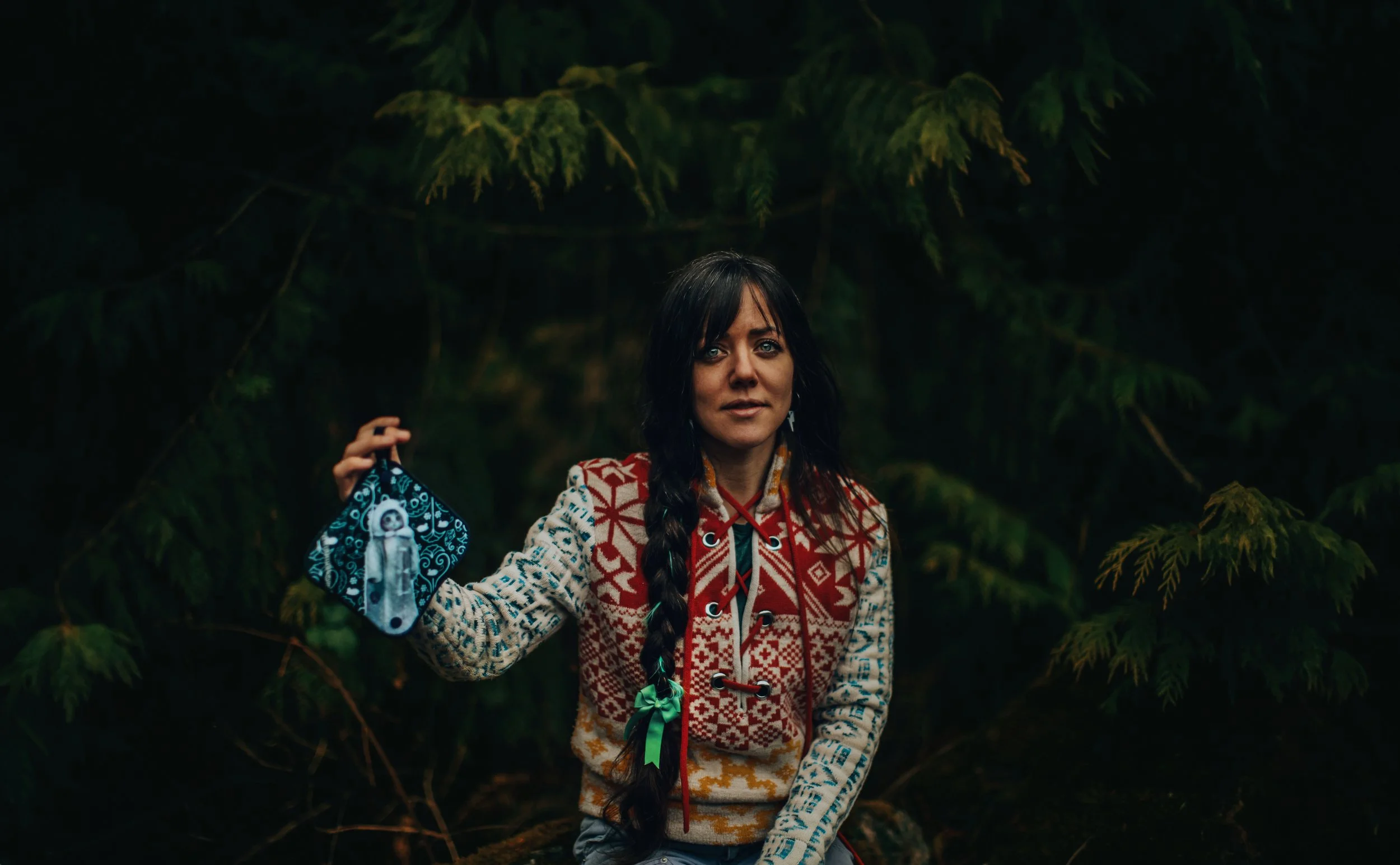
If you've never heard of Anastasia Allison or her company, Kula Cloth, perhaps you've noticed the six-by-six-inch diamond-shaped design hanging from the back of someone's pack. If you have, what you've seen is an antimicrobial reusable pee cloth, designed by Allison as a more sustainable alternative to toilet paper in the backcountry.
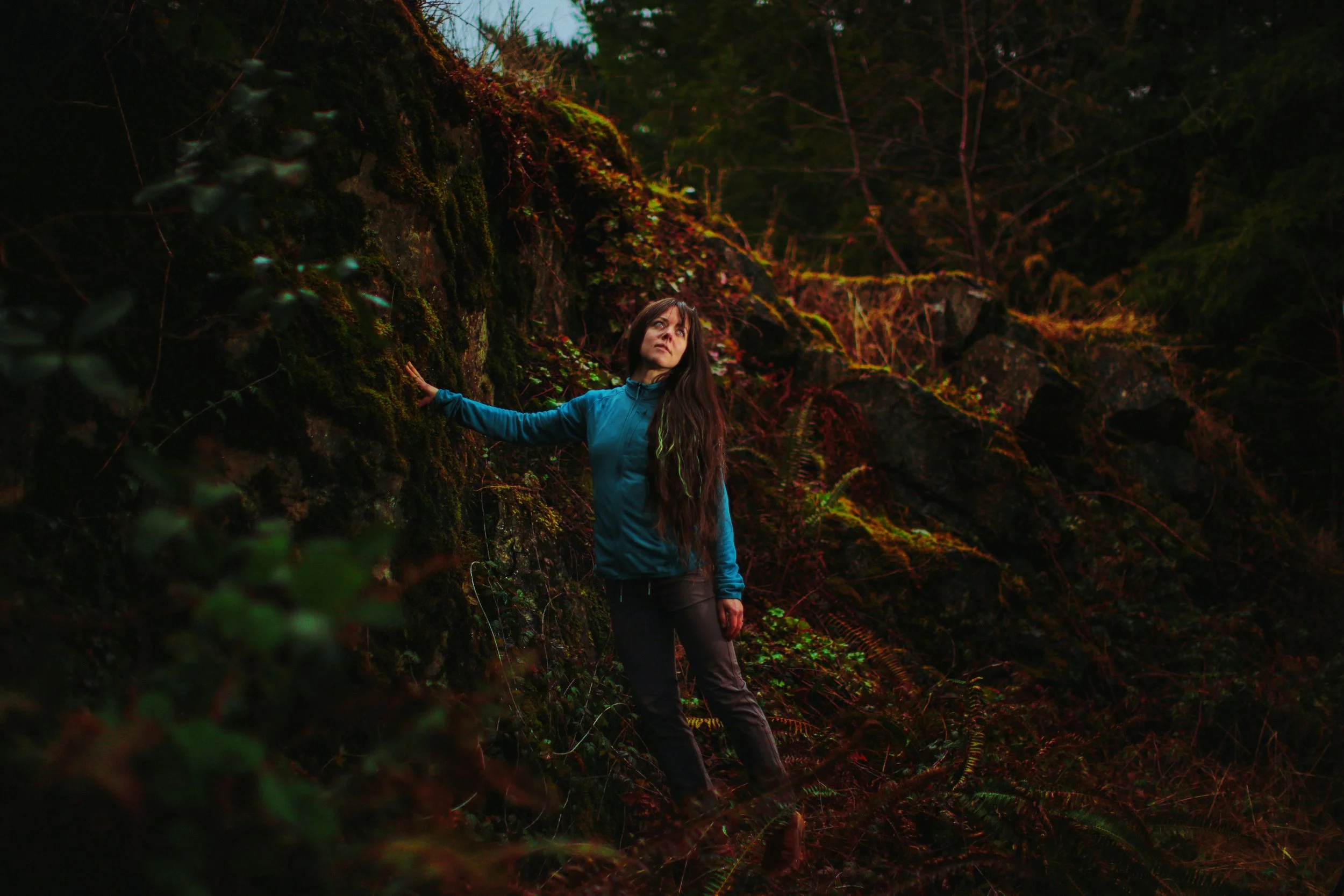
Today, Allison is regarded as a beloved and respected innovator in the outdoor industry. But in 2006, a decade before she was designing pee cloths out of her home office, she worked as a park ranger in Washington State and had little to no backpacking experience.
During her first year as a ranger, a colleague invited her to join a group of rangers on their annual expedition to the top of Mount Baker. Not having any knowledge of what to bring, she contacted the man leading the trip.
“He was this 60-year-old guy with an external frame mountaineering pack. I was embarrassed to ask him, ‘How do I handle pooping and peeing outside?’ So I didn’t ask him and he never mentioned anything about hygiene.”
He instructed Allison to bring “everything you would normally bring on a backpacking trip,” in addition to an ice axe and crampons. Mount Baker is a glaciated volcano that stands at 10,786 feet, a technical climb that few would recommend for beginners. Having never been on a backpacking trip before, she threw together what gear she thought she needed.
On the first night of the trip, halfway through her dehydrated dinner, her stomach started to grumble.
“I thought there would be bathroom facilities, I guess, on the side of a glacier on Mount Baker. I got up there and very quickly realized I had made a pretty catastrophic mistake,” she says with a chuckle.
What follows is what the internet might call Allison’s “villain origin story”. On the contrary, it may very well be the seed that inspired her to create one of the outdoor industry’s most unconventional pieces of backpacking gear.
Allison, ashamed she hadn’t packed any hygiene products, admits stealing toilet paper from the backpack of her tent mate, Janet.
“I was so ashamed of not knowing how to do this. So I stole toilet paper from her, which means I waited until she actually left the tent and I dove into her backpack and very quickly rummaged around, found toilet paper and stole it.”
“I stole toilet paper from her, which means I waited until she actually left the tent and I dove into her backpack and very quickly rummaged around, found toilet paper and stole it.”
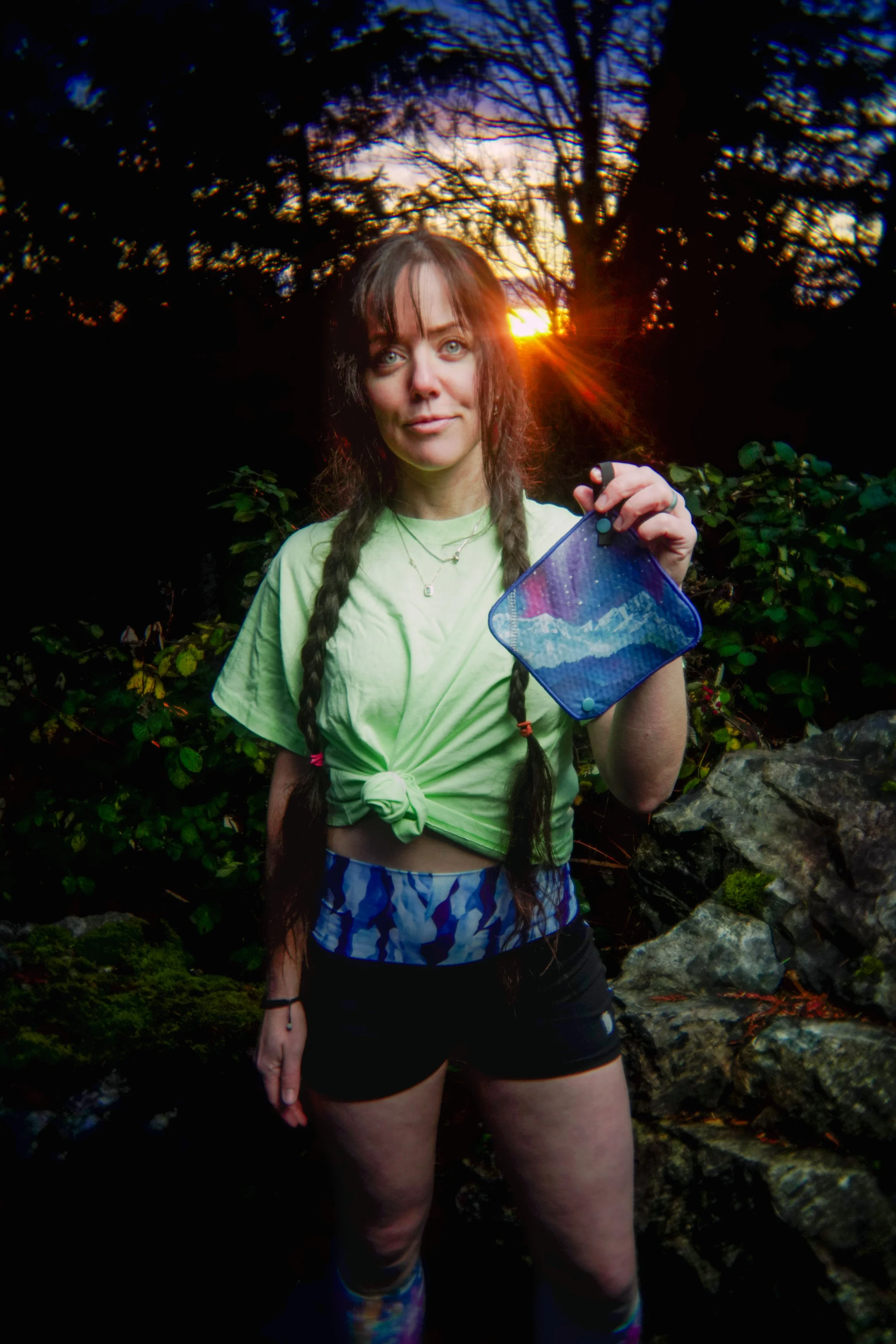
Allison wearing Kula Pyka Pants. Kula Cloth designed by Shelby Thaynes.
In 2008, just a couple years after her backcountry heist, Allison started working with a non-profit, Washington Outdoor Women, where she taught backpacking. Now well-seasoned in backpacking and mountaineering, her experience from the Mount Baker incident encouraged her to place a huge emphasis on speaking openly to her mentees about how to use the bathroom outdoors.
Somewhere along her mentorship, Allison came across the idea of using a pee cloth to limit the use of toilet paper— which she thought was “disgusting.” But, she felt compelled to explore the idea, believing it could help her students feel a greater sense of independence outdoors. When she finally launched the company in 2018, Allison wanted a catchy moniker with more than alliteration—she wanted it to embody a sense of community.
While searching for the name of her new company, Allison got inspiration from a podcast interview with Sarah Blakely, the owner of Spanx.
“She made this comment about how a hard K sound is memorable,” Allison says. So she searched the internet for mountains that start with K, happening upon Kula Kangri, a peak in the Himalayas of Bhutan where she trekked in 2011. To her, it was a sign. What Allison discovered in her research was that the word Kula had various meanings in almost 60 different languages.
In Sanskrit, Kula means family. In Hindi, lineage or noble family. In Hawaiian, school.
“It’s a very universal, inclusive word that means beautiful things in a whole bunch of different languages. There’s a lot of very community-focused words.”
Allison, who launched the brand on her personal Facebook page, has created the community she sought out to create back in 2018. “I hear stories all the time of people being in another country and seeing somebody with a Kula on their backpack, ending up in a conversation and becoming friends,” she says.
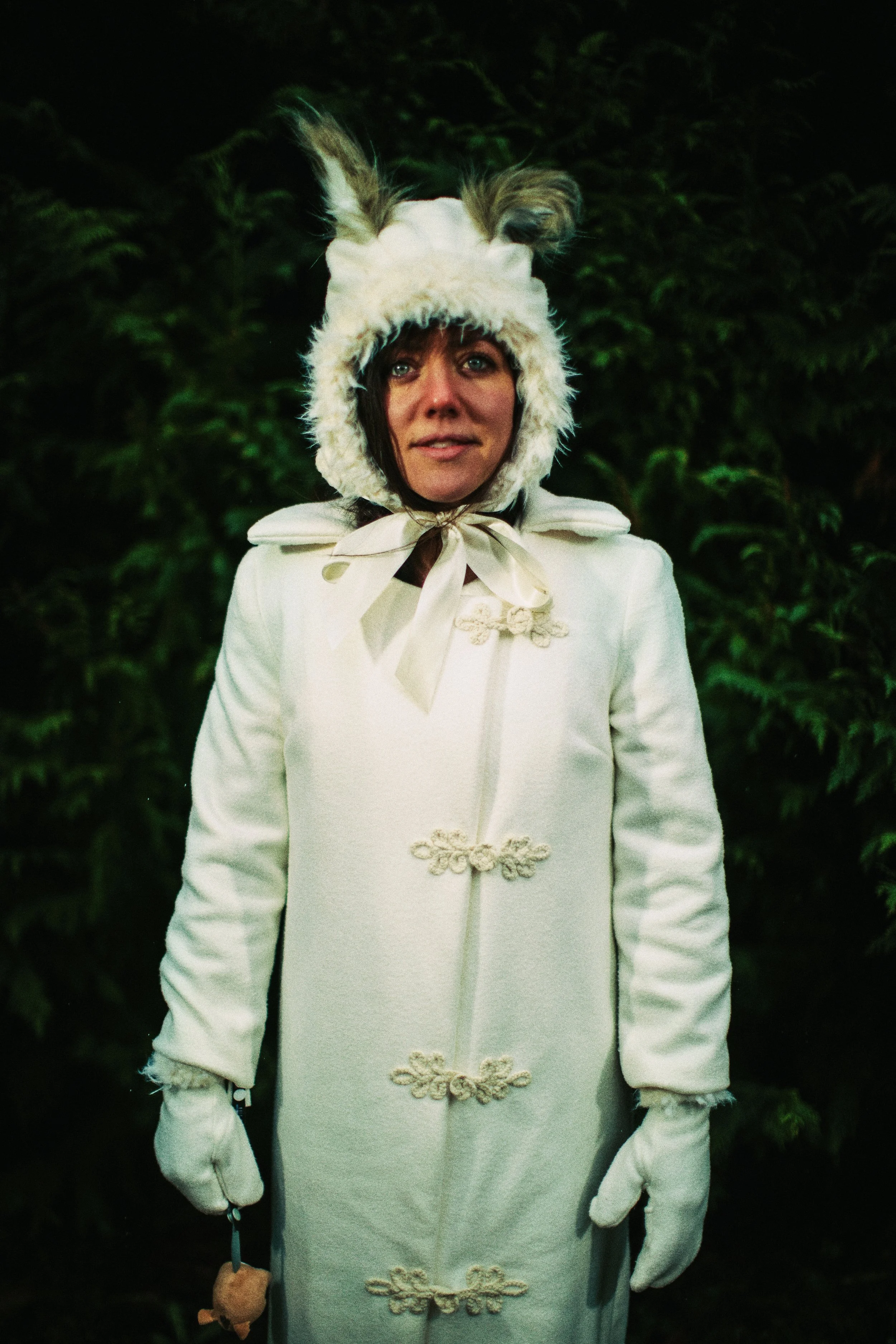
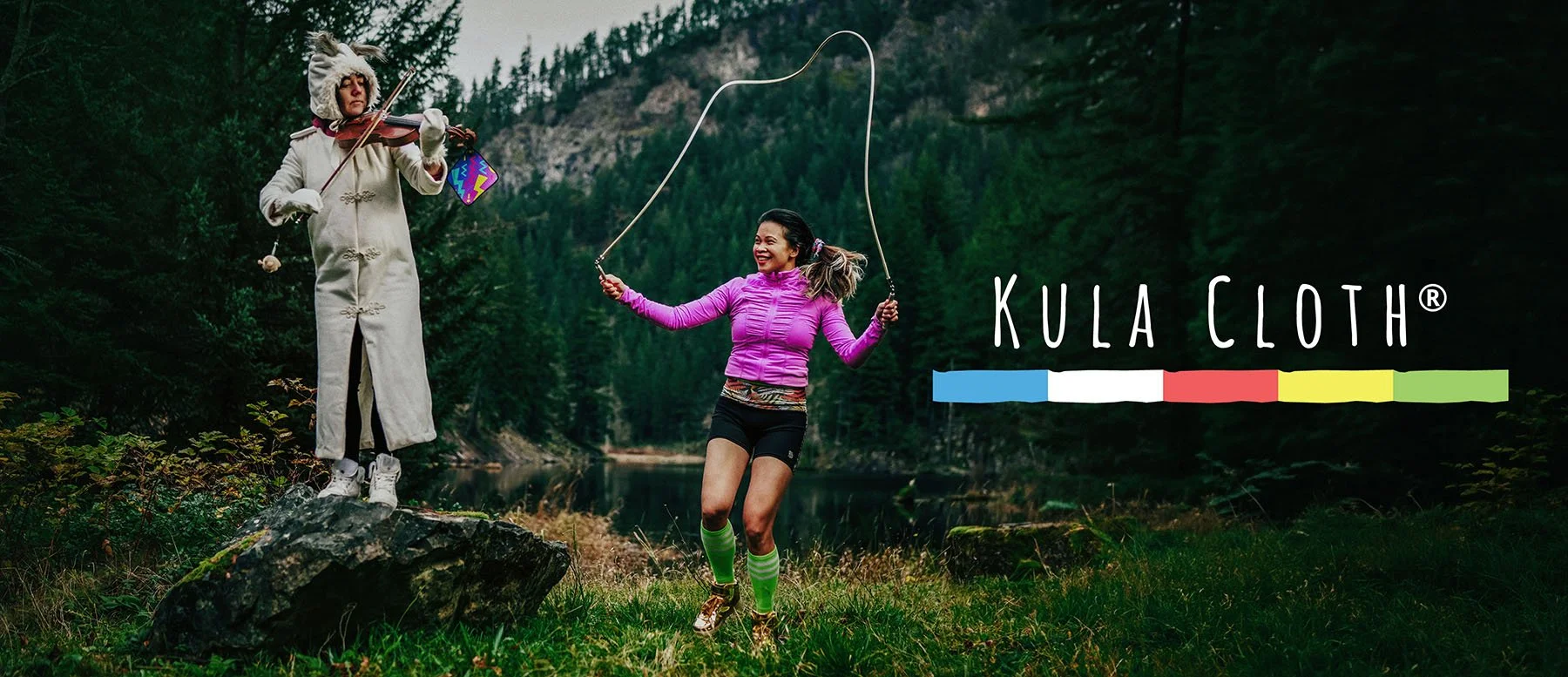
Allison wears Kula Cloth's unofficial mascot—a spooky cat costume designed by her UPS driver, Cammy.
While many hygiene products lean into bathroom humor in their branding, like Poo-Pourri, Squatty Potty, or Fresh Balls, Allison was firm on the idea that Kula Cloth should avoid such an approach. Instead, she wanted the product to be an intentional and thoughtfully designed piece of gear that reflected the name and symbolized connection and belonging—an idea that inspired the packaging.
Allison describes Kula Cloth as an anti-microbial pee cloth for anyone who squats when they pee—a tagline designed to create a more inclusive product and community beyond the confines of female-focused hygiene products.
“I realized that there were folks who don’t identify as women who would still benefit tremendously from the product. The idea that Kula is a community means that it really is for anybody,” Allison says.
To help shape the language on Kula Cloth’s packaging, Allison worked with Perry Cohen, founder of the LGBTQ+ outdoor nonprofit The Venture Out Project.
“If all it takes is one line on a piece of packaging to give someone else a sense of belonging in who they are, of course I would do that,” she says.
In an industry where gearheads are hyped on Gore-Tex, Dyneema, and the lightest tent money can buy, Allison has built a career around a far less nerdy topic: urine and feces. The irony, she acknowledges, is that bathroom talk is something she once felt deeply ashamed to discuss. She recalls the embarrassment she felt at 13 when she had to tell her own mother she had started her period. Today, she talks openly about the body’s basic functions, and, more importantly, removing the shame that often surrounds them.
“I genuinely hope that being able to confidently and comfortably handle their hygiene gives them the ability to be more present when they’re outside,” she says. “Because if it’s not occupying space in your brain worrying about it, you’re able to be more present. Your body is the most important piece of gear that you take with you outside.”
“Your body is the most important piece of gear that you take with you outside.”
Allison traces the inspiration for Kula Cloth back to a trip through Wyoming's Wind River Range. Years removed from the anxiety she felt on Mount Baker, she found herself fully present in the remote landscape around her. It reinforced a simple idea: when people spend less time worrying about hygiene, they have more space to fully experience nature.
Today, the bigger picture for Allison is simple: helping people spend less time worrying about bathroom logistics and more time immersed in their time outside.
There is, however, one unresolved matter—Janet, the unsuspecting tent mate to whom Allison still owes a few squares of toilet paper. During our conversation, Allison laughed and promised that she might finally reach out and come clean about the pilfered TP.
“When I think back on that climb, the thing that stands out to me the most is how much time I spent worrying about hygiene. I wanted this really connected experience. What I realized is that because I don’t know how to handle my hygiene, I spent most of the time in my head worried about how I was going to handle this out there.”
Nearly twenty years later, the experience she was searching for on Mount Baker is the same one she hopes to make possible for others through Kula Cloth.
“In that presence, you experience the connection that you really wanted with nature—with yourself—and you go back into the world feeling inspired by the experiences that you had outside.”
Keep Reading