
She Started a Mobile Rehab Business to Care for Thru Hikers; the Trail Community Returned the Favor
Known simply as Blaze, physical therapist Morgan Brosnihan has spent four summers helping injured Pacific Crest Trail hikers stay on trail. Along the way, she's discovered that generosity on the PCT rarely travels in just one direction.
Story by Brad Holzwart
Photography by Tommy Corey
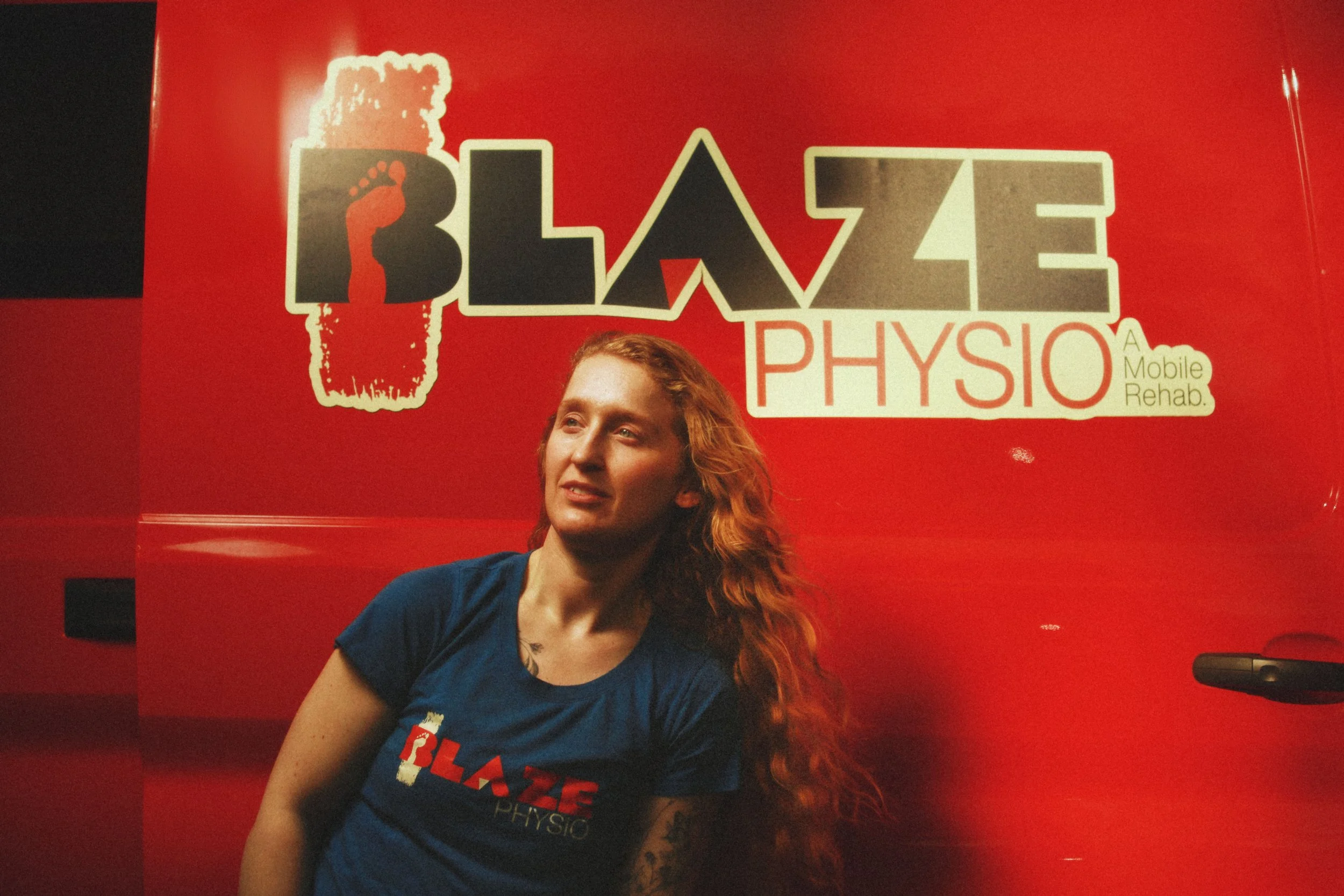
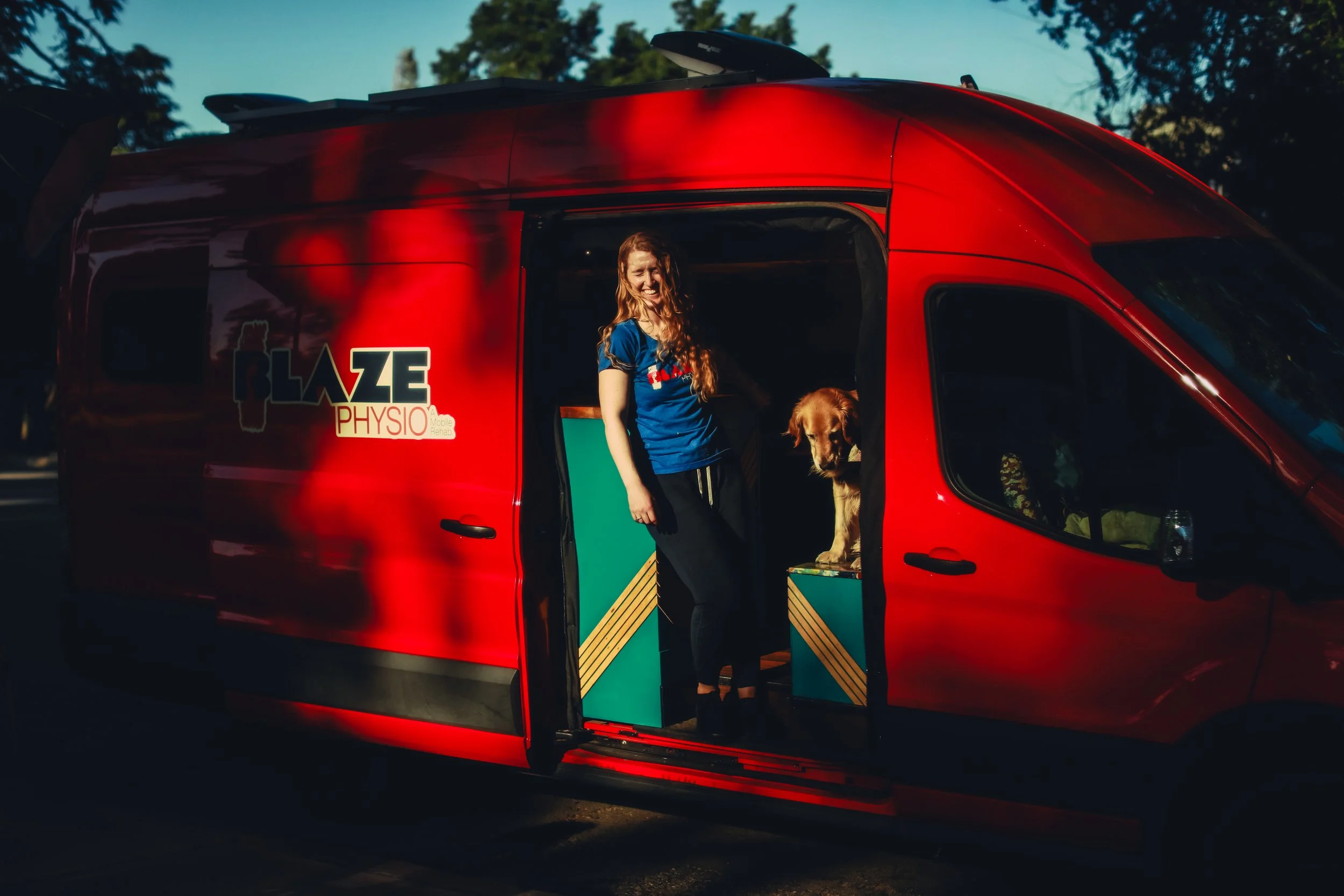
In small towns throughout California’s Sierra Nevada mountains, hikers in various states of breakdown gather around a red Transit van.
They arrive with an aching knee, a tender shin, or some pain that started in the desert and hasn’t relented for two hundred miles. Some come to rest. Others come to socialize. Most are there for something else: hope.
They are part of the annual migration of roughly four thousand hikers attempting to walk 2,650 miles from Mexico to Canada on the Pacific Crest Trail.
While many of them will know hunger, exhaustion, and doubt, they will also encounter unexpected kindness that will help them endure: a couple opens their home; a local offers a ride to town; a cooler of cold sodas appears on the side of the trail on a sweltering afternoon.
Most of these strangers help hikers once and move on. For others, it’s a devotion. It’s those people who become mythical, so woven into the trail community that hikers invoke their names like landmarks.
The hikers at the red van have come to see one of them: Morgan Brosnihan, known on the PCT simply as Blaze.
“Everybody knows Blaze,” said former PCT thru-hiker Morgan Skinner. “You just assume she’s always been part of the trail.”
Since 2022, she has been. Brosnihan has spent each hiking season following the PCT from its Southern Terminus in Campo, California to the Northern Terminus in Manning Park, Washington, treating hundreds of injured hikers from her mobile physical therapy business — Blaze Physio — that doubles as her home.
Which is why I’m surprised to find her sitting inside a house when I meet her over Zoom. Her bright laugh echoes off bare white walls in an empty room that’s more akin to a line dancing hall than a living room. She says that she and her partner moved into this house — their first — two days ago after nearly a decade of life on the road. The only furniture belongs to Honey, her golden retriever, lounging in a dog bed.
“Honey’s not having much trouble adjusting,” she says.
For Brosnihan, it’s a little more complicated.
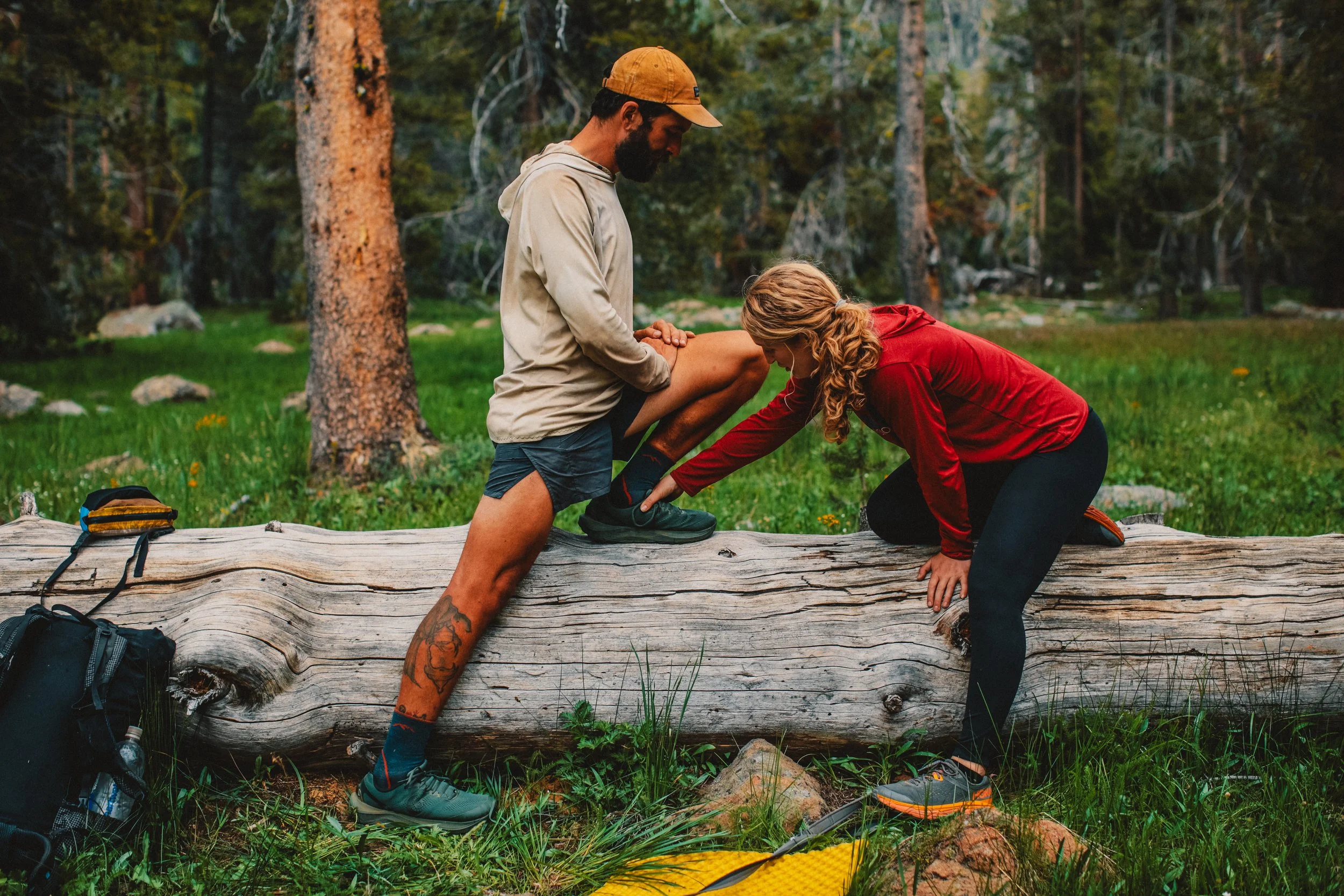
Morgan with 2024 PCT hiker Tom Kelly in Shasta-Trinity National Forest, California.
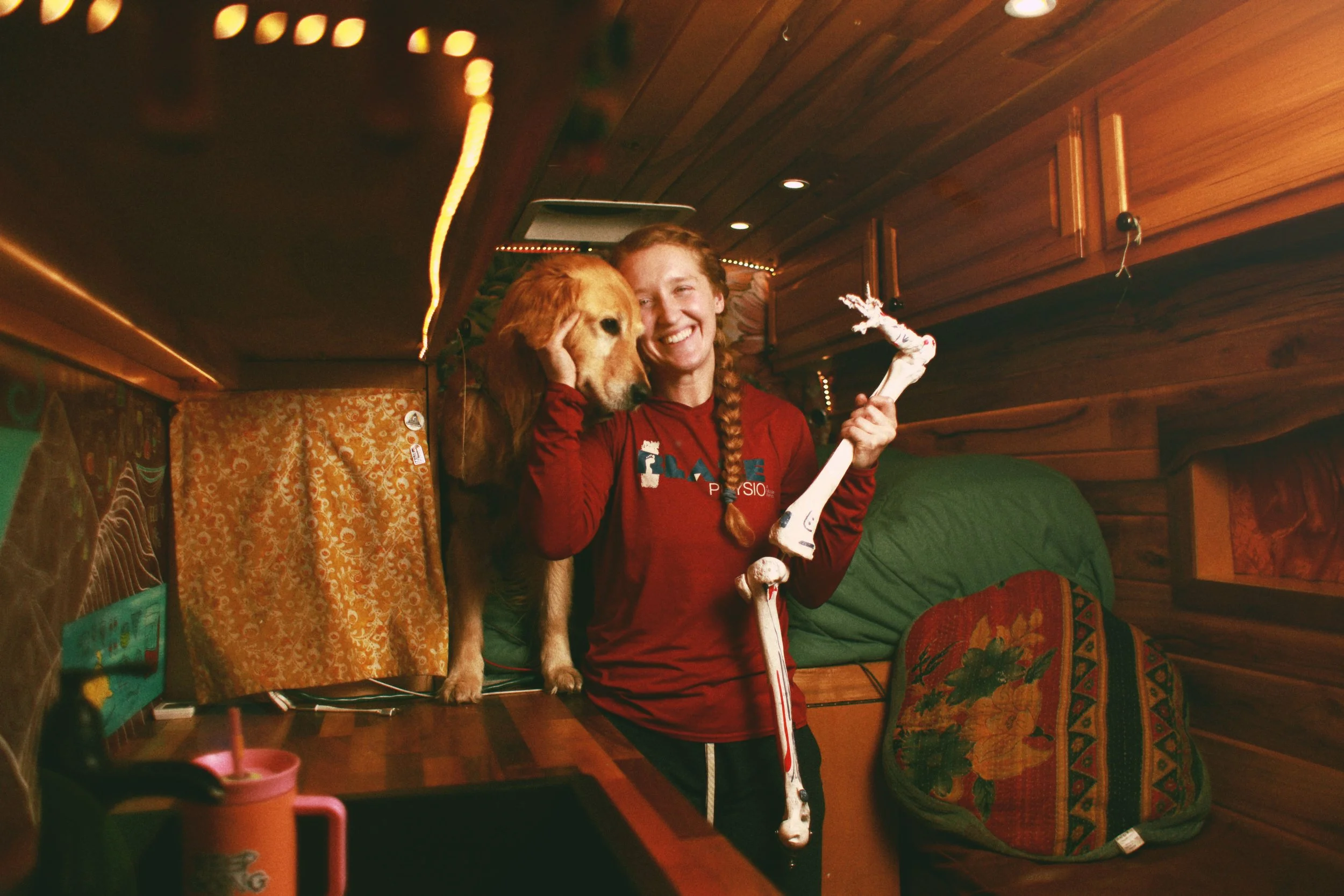
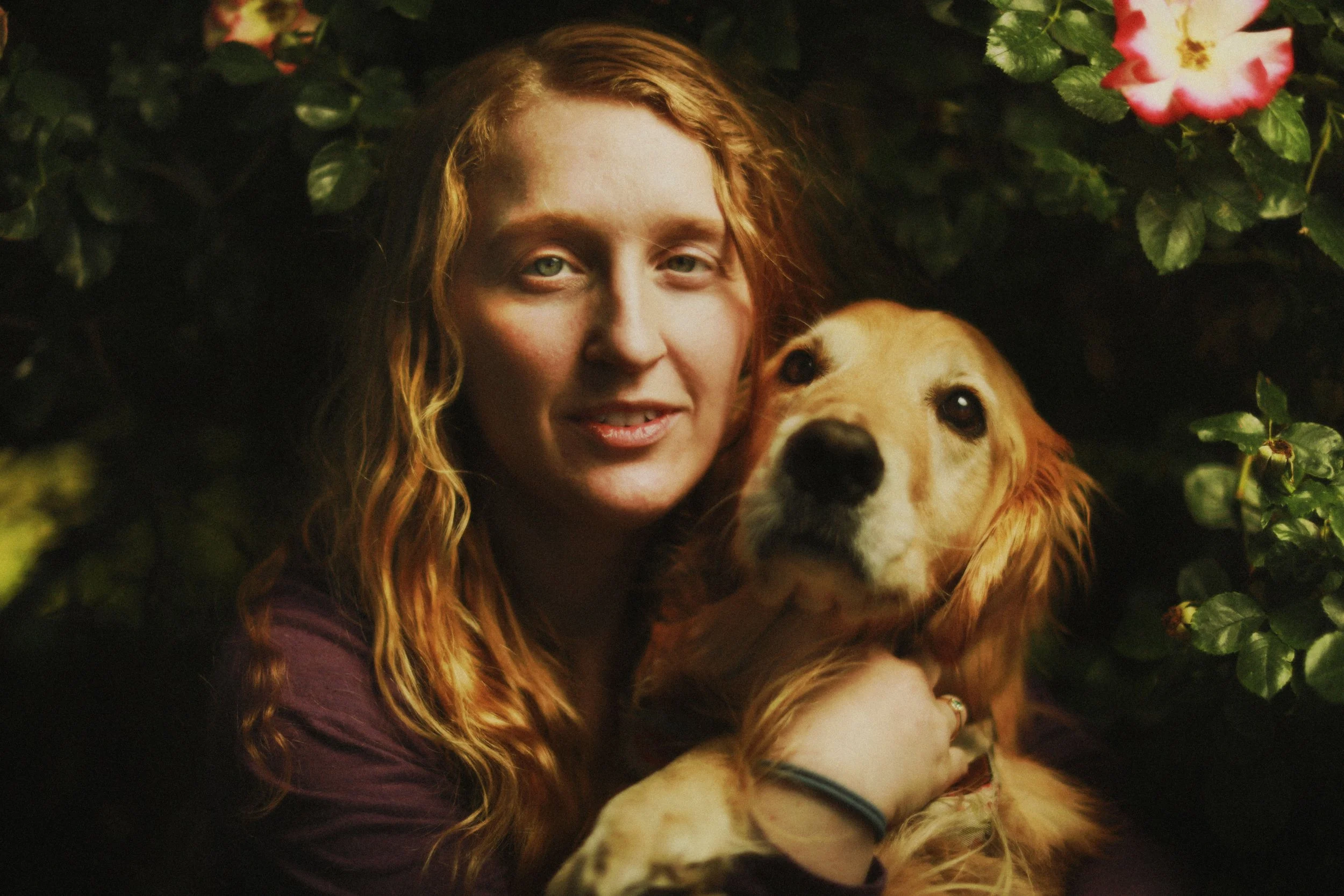
Morgan with her 6-year-old Golden Retriever, Honey, a Libra, inside her mobile rehab Transit van.
Before she became Blaze, Brosnihan completed her own thru hike of the PCT in 2019. Afterward, she had a travel physical therapy contract in southern Arizona where she lived in her van. “I was two weeks into the assignment, when COVID shut everything down. I didn’t really have another plan.”
With only $1,500 in her bank account, she took a traditional physical therapist job at a senior living clinic. But, her care rarely stopped at rehabilitation plans. As residents endured months of isolation and watched friends disappear, she tended to emotional wounds as much as physical by delivering groceries, lingering after appointments to talk, and bringing Honey to visit residents cut off from family and friends.
“The opportunity to help was certainly there,” she says. “I was able to fill the need of helping people in more ways than just giving them exercise prescriptions.”
At the same time, her thoughts kept wandering back to a moment she’d experienced on the PCT. Nearly 500 miles into her thru-hike, Brosnihan found herself at Hiker Heaven in Agua Dulce, California. Sitting among dozens of hikers, she bonded with the woman next to her, who contemplated ending her hike because of an injury. Only two years out of PT school, Brosnihan hesitated.
“I’m sitting there thinking, well, I could solve this problem, but I’m a baby PT having major impostor syndrome,” she says. “As she kept talking, my brain shut off and my schooling took over.”
Brosnihan watched the tension leave the woman’s face once she began applying treatment. When they ran into each other farther up trail, the woman told her that she saved her hike.
“At the senior facility, I’d found the bones of what mattered to me, but it was the right story in the wrong font. I knew hikers needed help, and I thought, ‘I think I can help them.’”
By 2022, she had saved enough money to find out.
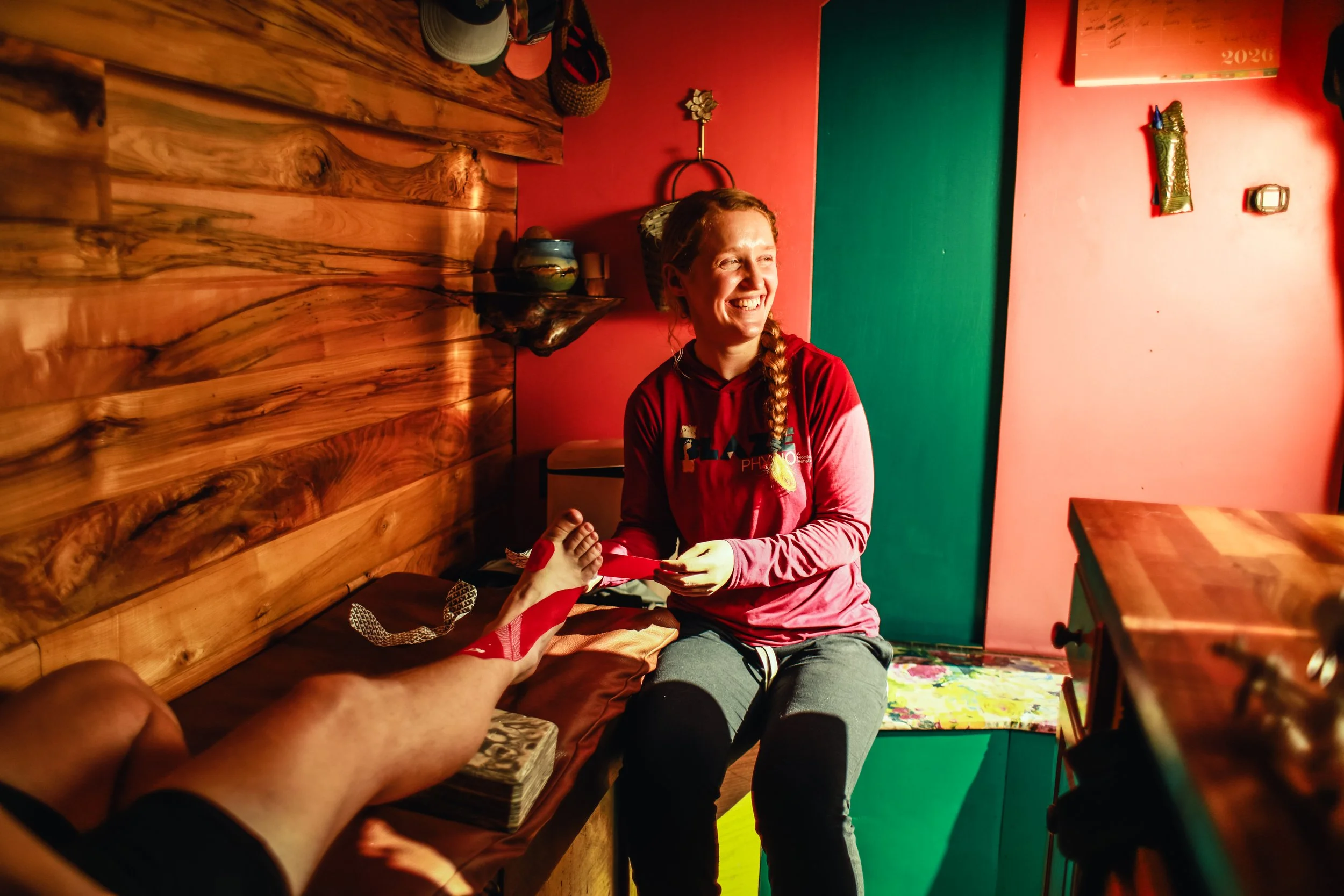
There was no roadmap for building a mobile physical therapy practice on a long-distance trail, so Brosnihan simply showed up.
“I really valued the class of ’22,” she says. “They took me in in a way that was like, ‘yes, we need this, and we want you to be successful.’ I felt taken care of, which is funny since I came to care for them.”
Today, Brosnihan works from the second of her signature red vans, modified to function as both clinic and home. Before a patient ever sits down, she’s already assessing them.
“There’s a high step up into my van,” she says. “I’m watching how easily they get in, whether they use their arms, whether they’re moving slowly.”
Some spill their story immediately and make themselves at home, filling their water bottles in her sink. Others barely step through the doorway. Brosnihan draws them out with easy conversation, a visit from Honey, and an early diagnosis when possible.
“A lot of times, you feel like your world is ending,” says PCT hiker Devin Schiro. “Morgan defuses the situation right away. She’s like, ‘You’re gonna live. We’re gonna get you back on trail.’”
Katie Howard, a PCT hiker from Brooklyn, puts it plainly:
“If you go into a trail town and see a PT, they’re going to tell you to get off trail because they don’t get it. Even just the mental piece of having someone validate what you’re going through is a huge relief.”
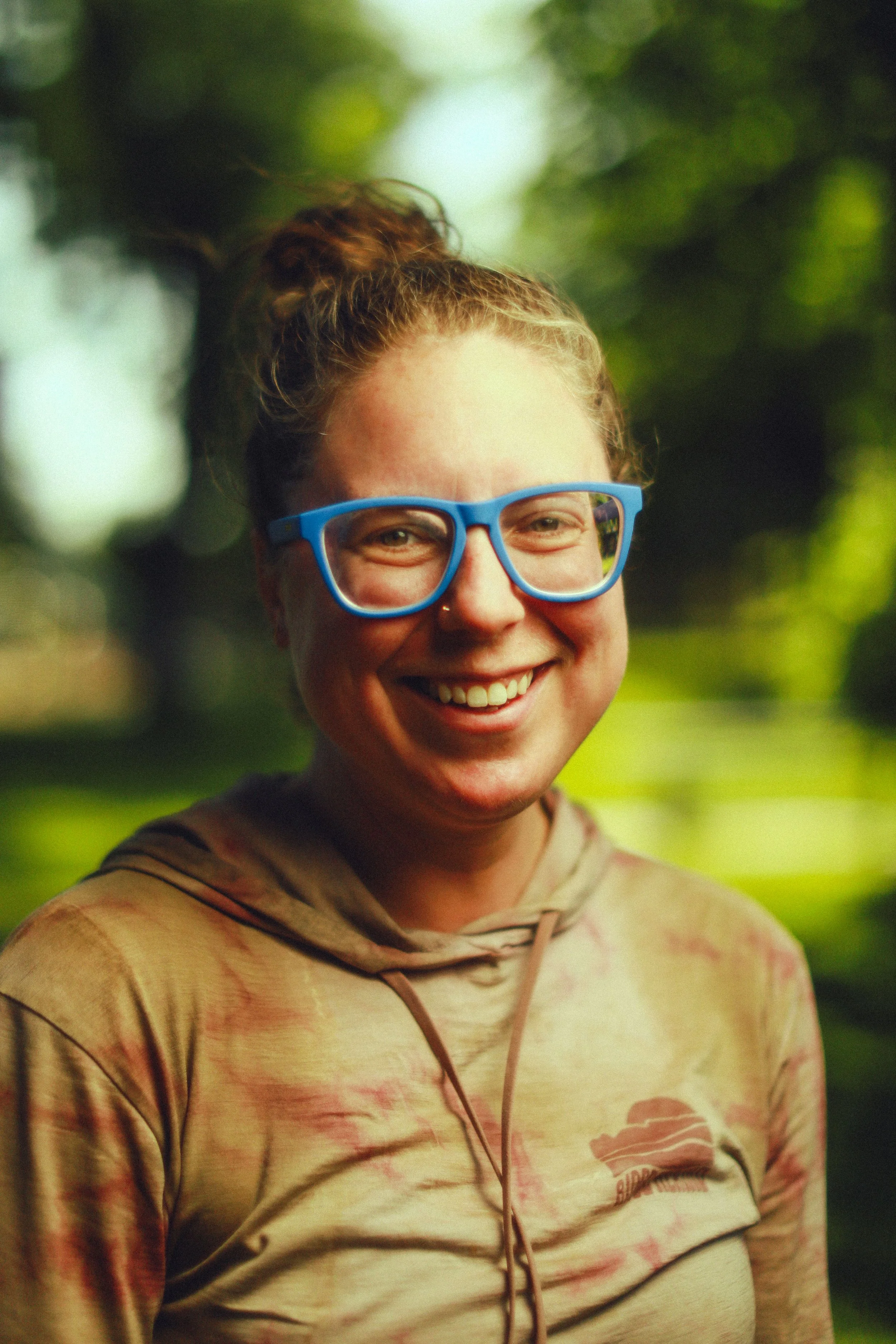
Katie Howard, currently hiking the PCT.
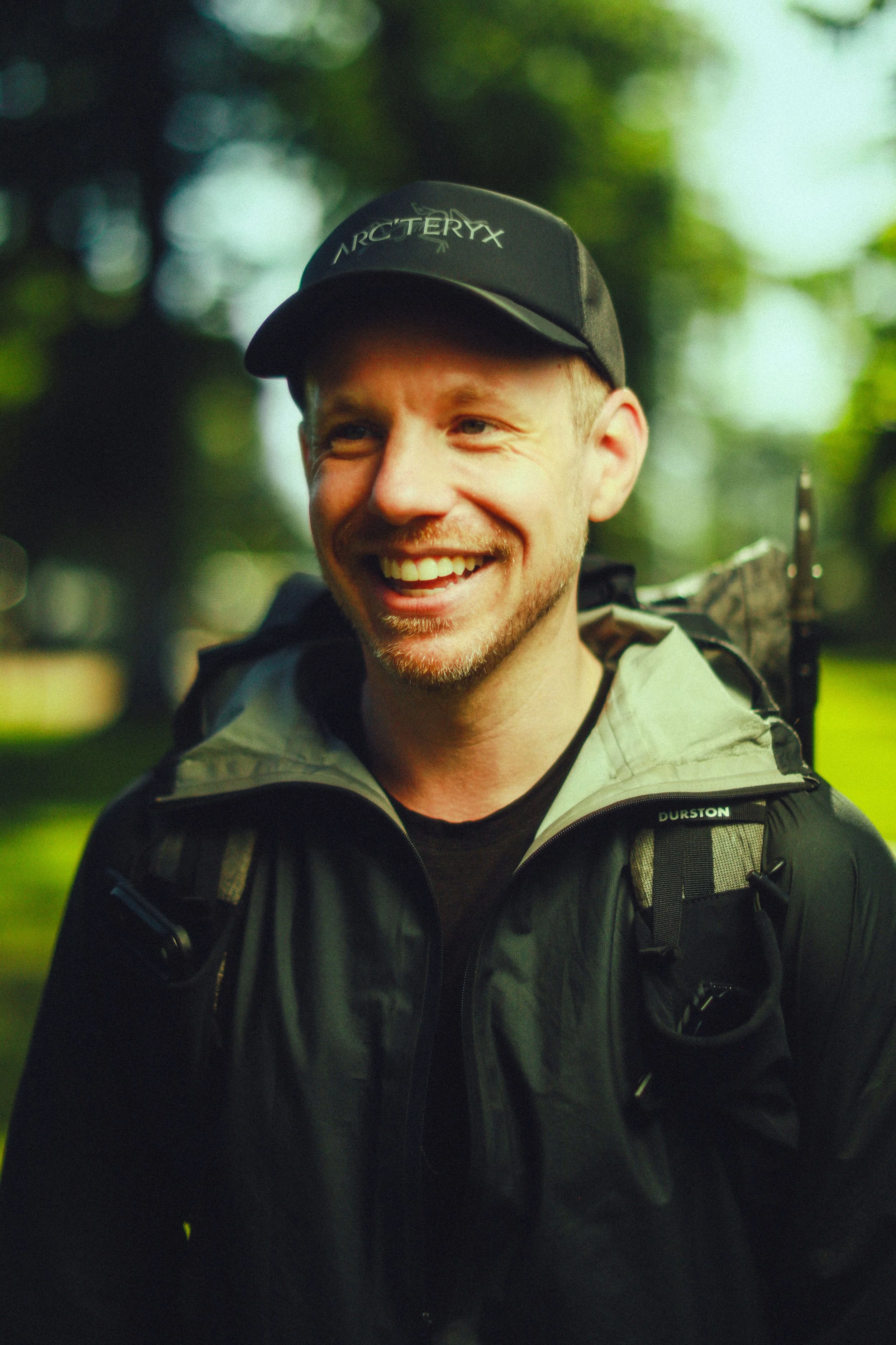
Devin Schiro, currently hiking the PCT.
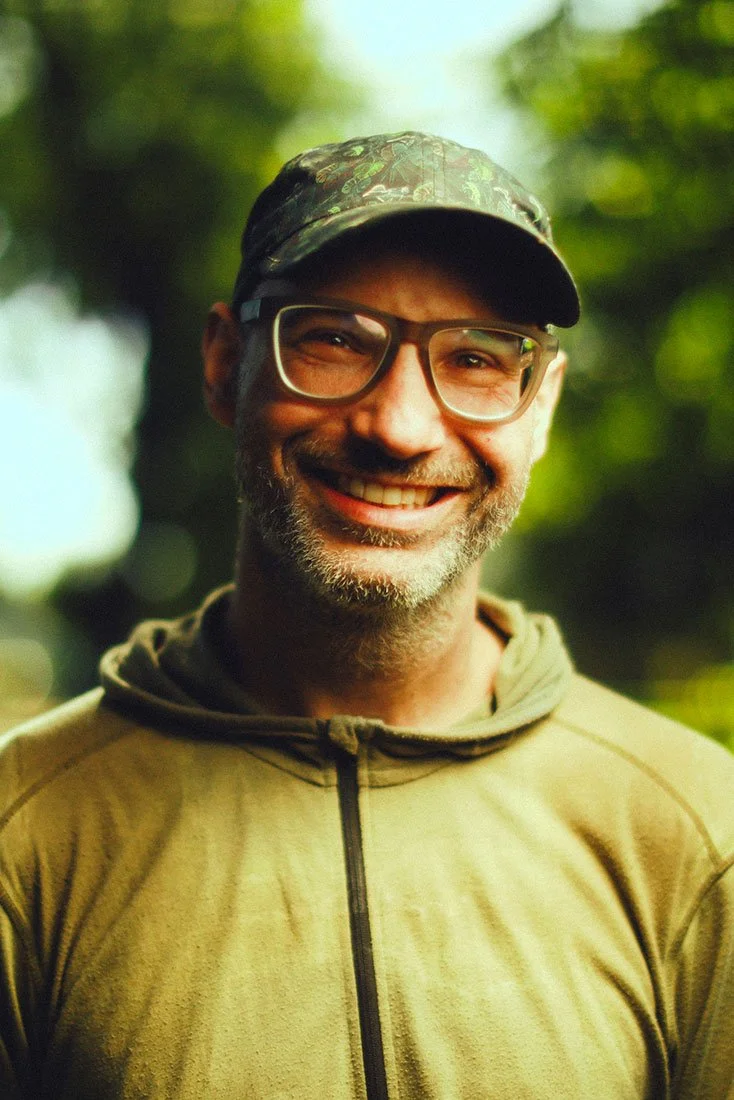
Joe Galan, currently hiking the PCT.
“If we went to any other physical therapist on the trail, they would likely be like, ‘You should just stop doing what you're doing.’ Having somebody that knows the trail, knows what it feels like to be somebody that's been planning for this - she's going to do her best to keep you on trail doing this thing that you've been planning and building for.”
Joe Galan
During her own PCT thru-hike, Brosnihan felt the embrace of the strangers and community surrounding the trail. Her hiking partner broke down in tears over an injury she feared would end her hike. The two sat beside the trail swatting mosquitoes and trying to figure out what to do next. Brosnihan flagged down two day hikers and asked for a ride into town. That simple request turned into a three-hour car ride to Vancouver, Washington, and a three-day stay at their house, where they were welcomed into these strangers' lives, given time to heal, and space to plot their next move.
“They saved our hike,” she says. “I’m not the best at asking for help, and this showed me how good it could it be when you let people help you. I made a photo album and mailed it to them as thanks.”
She knows what it means to be the one sending the thank you. Now, every September, notes and cards find their way to her. She keeps every one in a box she calls “before you quit,” insurance against burnout and a reminder that a single encounter can change someone’s hike.
“Thru hiker cards always pack the biggest punch,” she says. “I’ll see someone once and they’ll send a card and that feels profound. That one chance encounter made that big of an impact and maybe saved their hike.”
She created the “Help a Hiker Fund” so cost would never be a reason someone missed care. Patients pay it forward years after their hike, sending whatever they can.
“It lets people receive care without feeling like they owe something,” she says. “They get to have this moment to feel the trail community taking care of them.”
Brosnihan is quick to point out that Blaze Physio is a business, not a trail angel operation. But the line, she admits, is blurry.
“It would be impossible for me to be out here and not immediately enter that web.”
She helps coordinate rides, lodging, and medical referrals. Trail angels send hikers her way. And the community looks after her in return.
“Trail angels keep trailing me,” she says, laughing. “I had a van problem once and a trail angel came and helped me. Someone gave me their house while they were on a trip so I could get out of the heat. I can’t escape their kindness. It just reinforces how lovely this community is.”
It’s a dynamic, she says, that the trail itself creates.
“A thru-hike is a radical act of selfishness,” she says. “It’s your hike, your money, your time. You put everything on hold. Then it becomes this huge community of people where the only way to continue is to lean on the help of others. When people go out of their way to help you, you feel unworthy because you didn’t do anything for them.
“You start to see the world differently. You really want to take that back to your regular life, to be more open, to meet strangers, to say yes to things and help people, and society makes that tough. So I think that’s why people come back to the community after their hike.”
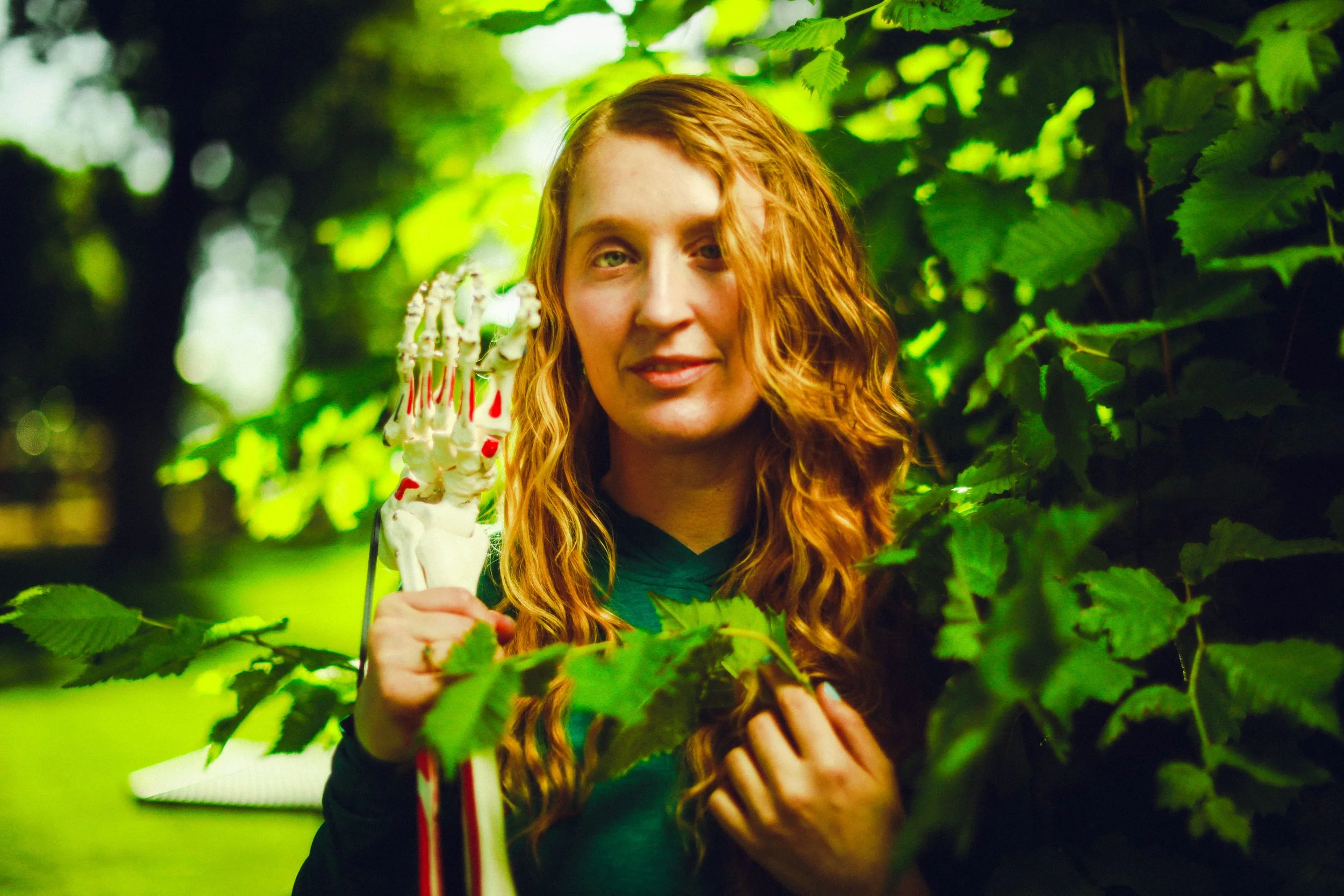
“You start to see the world differently. You really want to take that back to your regular life, to be more open, to meet strangers, to say yes to things and help people, and society makes that tough. So I think that’s why people come back to the community after their hike.”
As our conversation winds down, Brosnihan straightens, her eyes widen and she leans into the camera.
“Can I tell you about the house?”
The empty room isn’t destined to stay empty. She hopes to transform it into a recovery space for hikers whose injuries require longer-term rehabilitation. A place where hikers can recover together, away from the emotional strain of watching everyone else continue down the trail.
“My partner’s parents helped us buy this place. You feel like people do good things for you, and you want to try to give back. Now, I can give back by creating a place for patients to recover so they can keep hiking. It’s the next evolution.”
I ask her what she thinks about this version of settling down. She takes a deep breath and the laugh she lets out echoes.
Then, “A nomad makes a permanent fixture.”
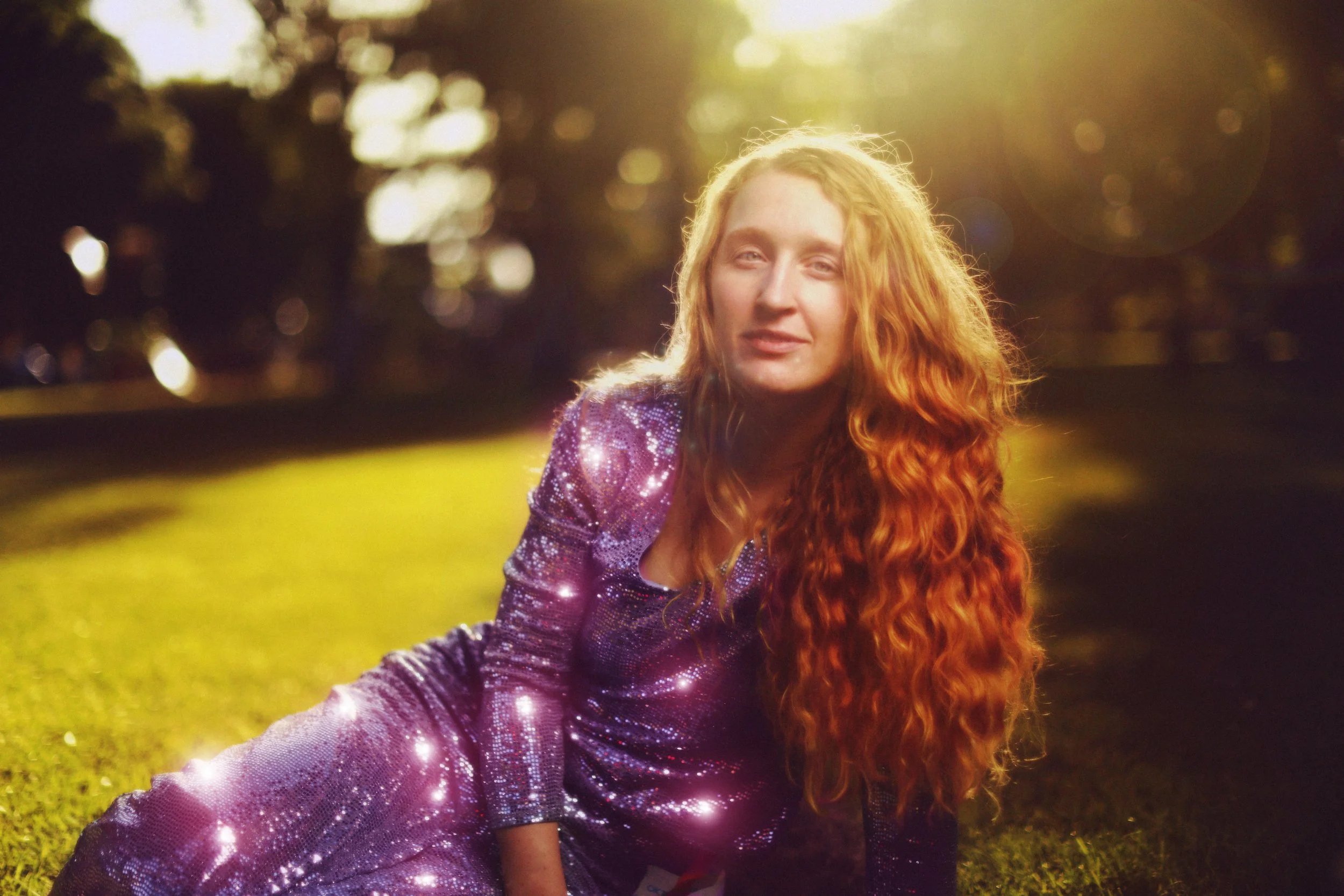
Morgan poses in a thrifted sequin dress at Philip Marx Central Park in Tehachapi, California.
