
Brandi Williamson was 10 when she was diagnosed with type 1 diabetes. When her son, Walt, was diagnosed at the same age, she began to confront the shame around food she’d carried since childhood and found a community in Redding that could support them both.
Story by Tommy Corey
Photography by Tommy Corey
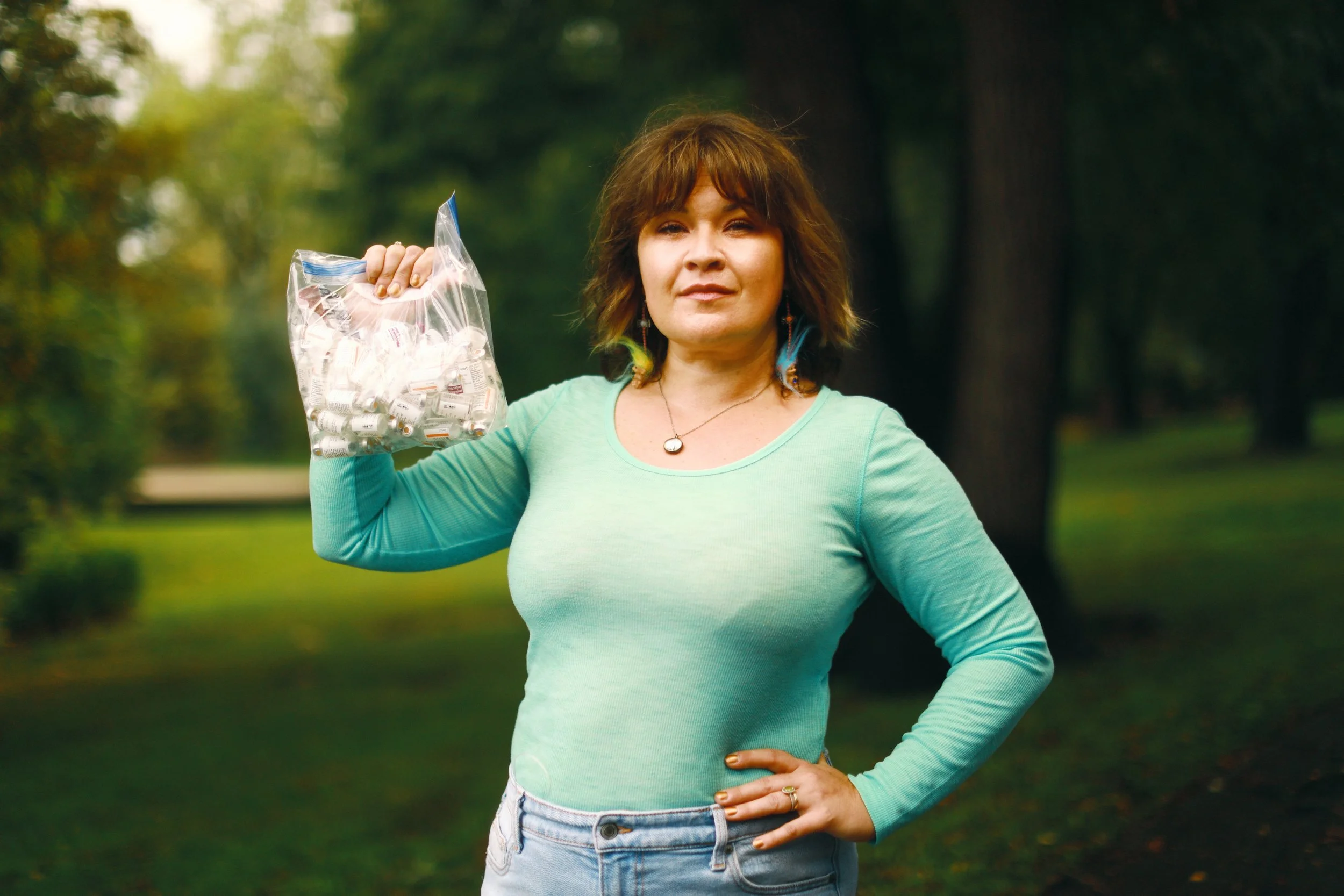
Williamson holds up a bag of insulin vials.
Brandi Williamson had lived with type 1 diabetes for over three decades when her son was diagnosed. She knew the daily routines, but it wasn’t enough to prepare her for Walt’s diagnosis.
In 2023, Williamson was chaperoning Walt’s class field trip to California’s State Capitol. During the two-hour bus ride, he drank close to a gallon of water, making noticeably frequent trips to the restroom. After the tour, the class stopped at a candy store, where he stocked up for the ride home.
After Walt began feeling unwell, Williamson initially thought the candy had upset his stomach. Back in Redding, her mother suggested checking his blood sugar. Williamson checked that evening and found his reading was above 550 mg/dL—far above the usual level of 125 or lower.
Three months after Walt’s 10th birthday, he was diagnosed with type 1 diabetes–coincidentally, the same exact age Williamson had been diagnosed.
At a follow-up appointment, Walt’s doctor asked why he wasn’t consuming any carbohydrates. Williamson explained that she stocked the house with only sugar-free and carb-free foods. When her son was diagnosed, she reverted to the same fears about food she had been taught at 10; the same rules she had lived by up until that moment.
The doctor’s response brought her to tears, unraveling years of fear and shame around food.
“Food is not the enemy.”
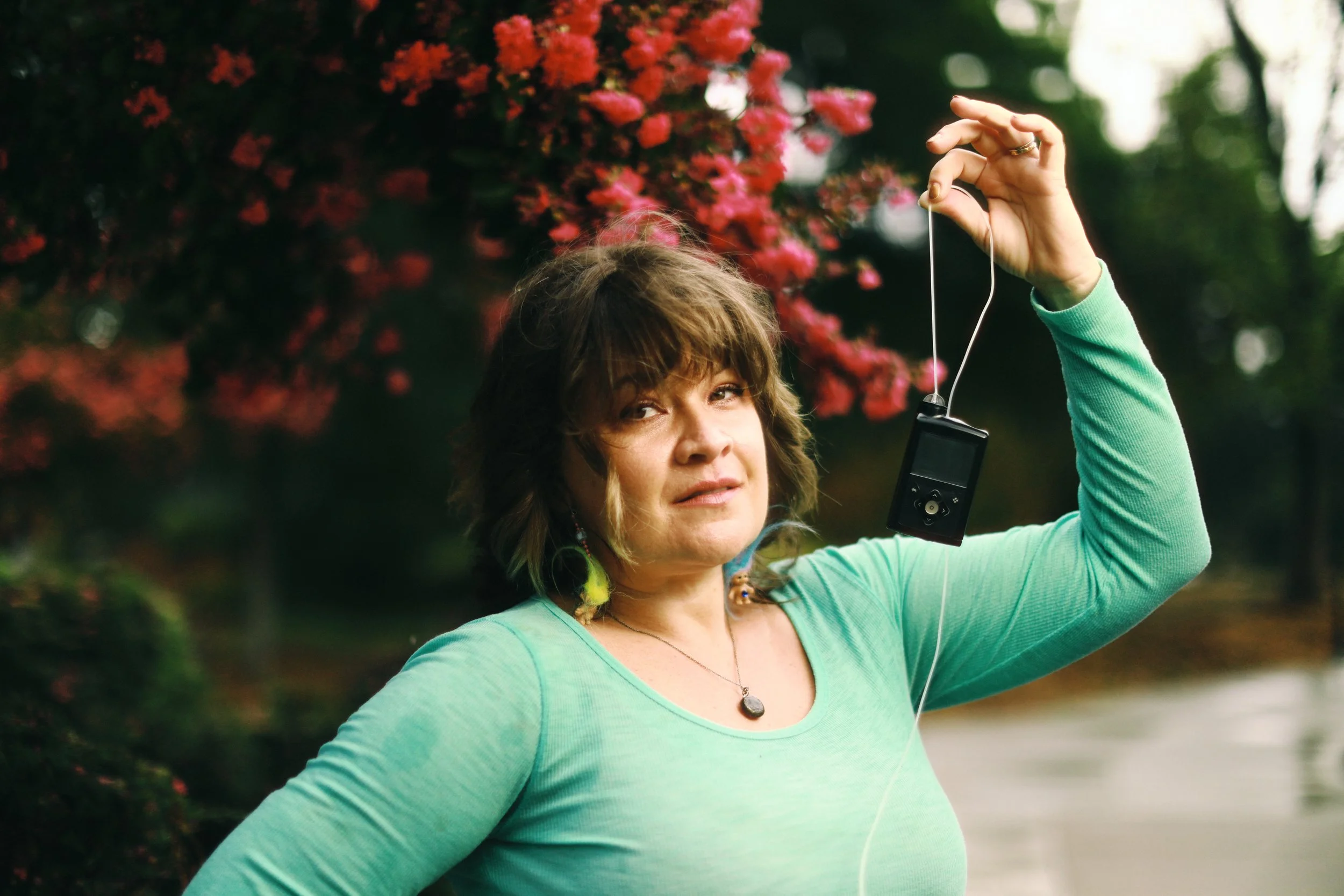
Williamson shows the insulin pump she uses to manage her type 1 diabetes.

Insulin vials in Williamson’s hands.
Williamson was diagnosed in 1994, back when diabetes in children was called “juvenile diabetes.” At the time, there was little information about managing the disease in children. She was told not to eat cookies or cake or drink sodas. Even doctors told her that “food was bad.”
By her teen years, constant questions about what she could eat made her ashamed of eating in front of others. She began eating in secret, a habit that followed her well into adulthood.
At a sleepover in sixth grade, Williamson recalls eating sugary foods and snacks with the other girls. When she woke up in the middle of the night, her blood sugar was sky-high, and she began vomiting. That night, she was rushed to the hospital.
“That kind of scared everybody forever. Word spreads really quickly in junior high,” she says. “Everything about food very quickly became a secret.”
Managing diabetes is still a part of Williamson’s daily routine, but what she is eating demands less attention than it once did.
Each morning, she checks her blood sugar through a CGM (continuous glucose monitor) connected to her insulin pump. Even her morning coffee requires a correction for the carbohydrates. When she eats, she gives herself insulin through the pump. If she forgets, an alarm reminds her.
“Everything about food very quickly became a secret.”
brandi williamson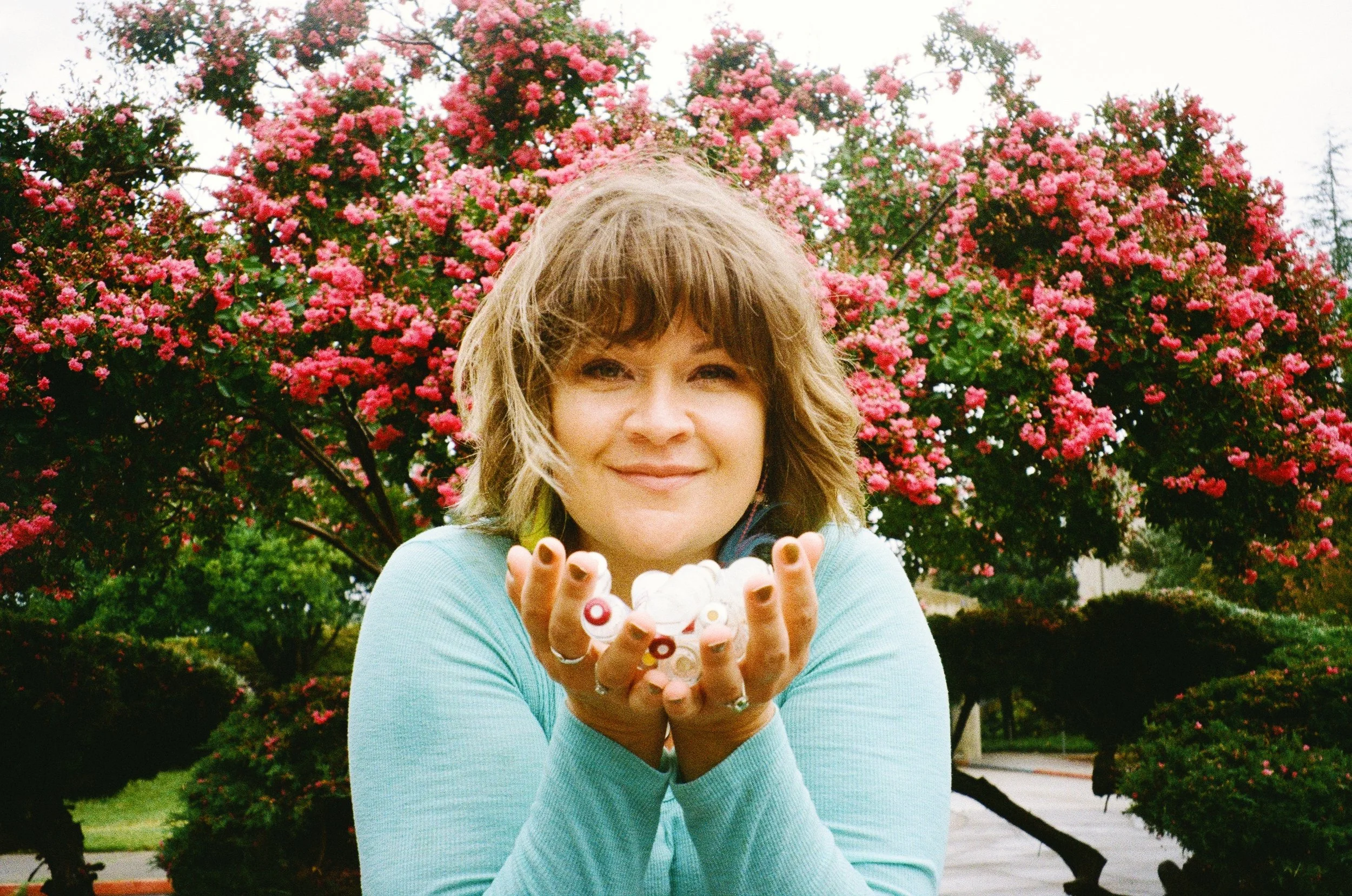
Williamson with a handful of insulin vials.
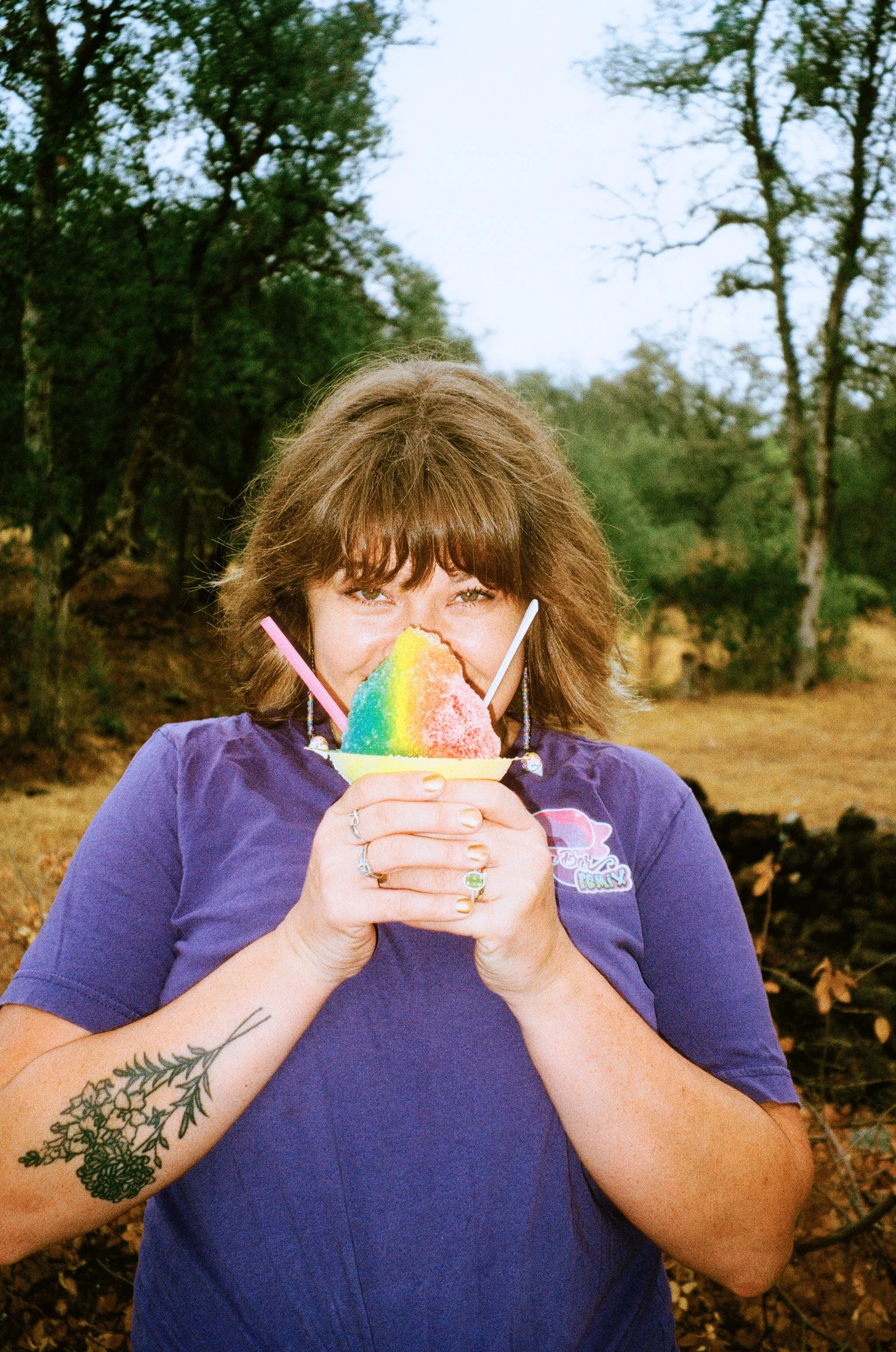
As a kid, Williamson flavored plain shaved ice with sugar-free peach Snapple.
Between meals, the devices allow her to spend less time thinking about diabetes. Her sensor is small enough that she barely notices it, and she can tuck her pump into a pocket. If her outfit doesn’t have pockets, she gets creative, sometimes tucking the pump into her boot.
Walt has access to technology his mother didn’t have at his age. But at 13, is still learning to manage his own diabetes.
“He does a pretty decent job,” Williamson says, though she and her husband still help.
His CGM sends readings to both of their phones, allowing them to keep an eye on his blood sugar even when they aren’t beside him. They still remind him to take insulin and eat every so often.
While the technology has changed since Williamson was a child, some of the judgments haven't.
The same comments she would hear growing up still persist with Walt; that he should eat less or exercise more.
“If you have questions, ask,” she says. “Let the diabetic tell you, because their body and their disease is completely different than anyone else’s.”
Even with decades of experience and easy access to Walt’s blood sugar readings, Williamson knows she cannot understand every part of his experience through her own.
“I still ask him, I still check in with him,” she says. “How are you doing? Is today a good day or a bad day?”
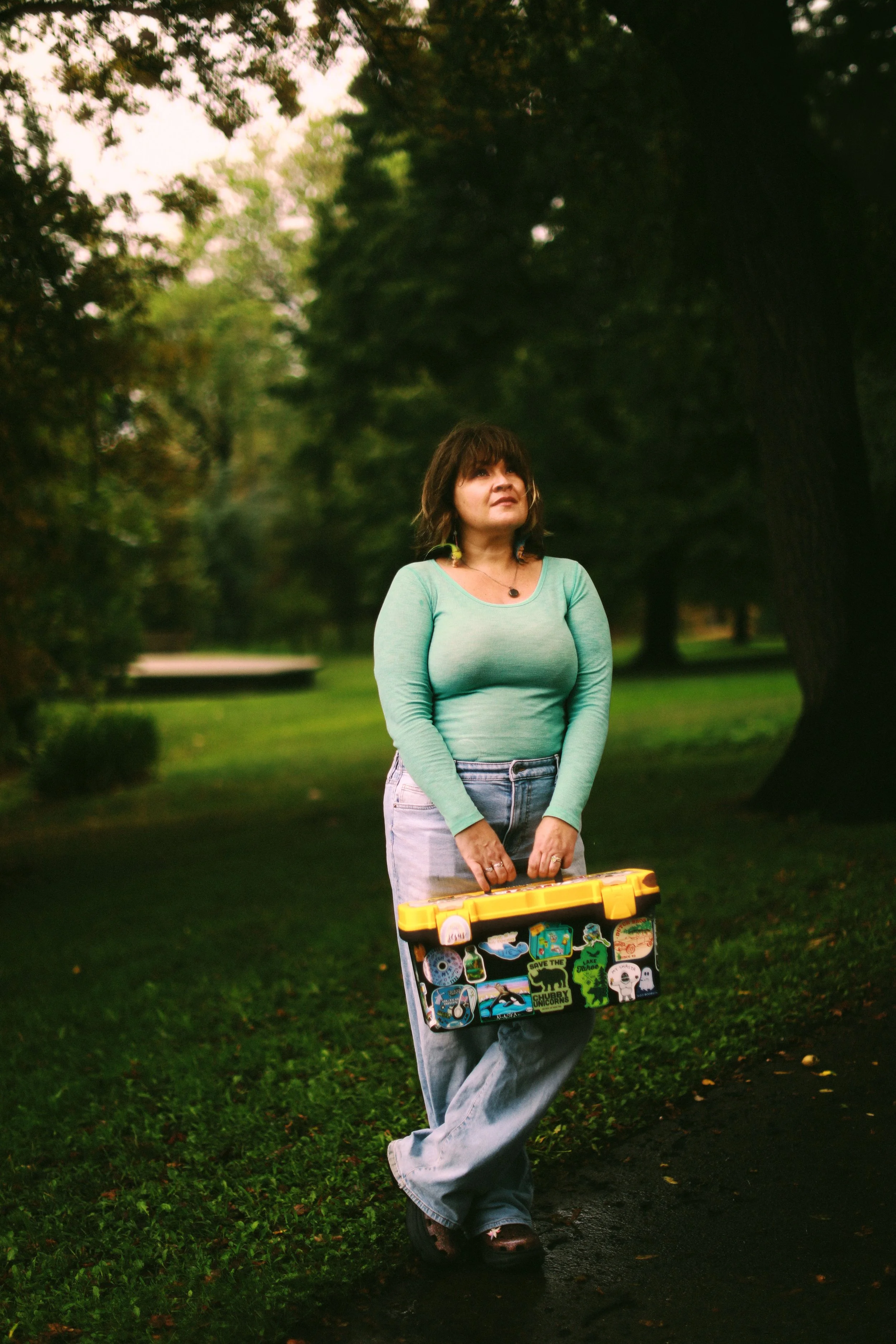
Williamson keeps her diabetes supplies in a sticker-covered toolbox.
“Their body and their disease is completely different than anyone else’s.”
brandi williamson
For years, Williamson had someone she could call who understood without needing an explanation: her father, Dwaine, who also lived with type 1 diabetes.
She recalls an incident where his pump site ripped off while he was working in an attic. She brought him a replacement. If she couldn’t make it to the pharmacy in time, she could turn to him for insulin.
“It’s nice to have that person,” she says.
After Dwaine died in a car accident in 2014, Williamson stayed connected on Facebook with childhood diabetes-camp friends, but she didn’t really have a strong support group.
“As soon as my son got diagnosed, I knew something had to change,” she says. “It can’t just be us.”
In her search for a diabetic community, she found Hannah Garman, a local teacher who also lives with type 1 and organizes a support group for children and their families. Through regular meetings, parents share their experiences, work through school accommodations and help each other figure out what to ask for. When Walt’s glucose sensors kept falling off during summer swimming, Williamson turned to the group’s Facebook page. Someone had extras to lend.
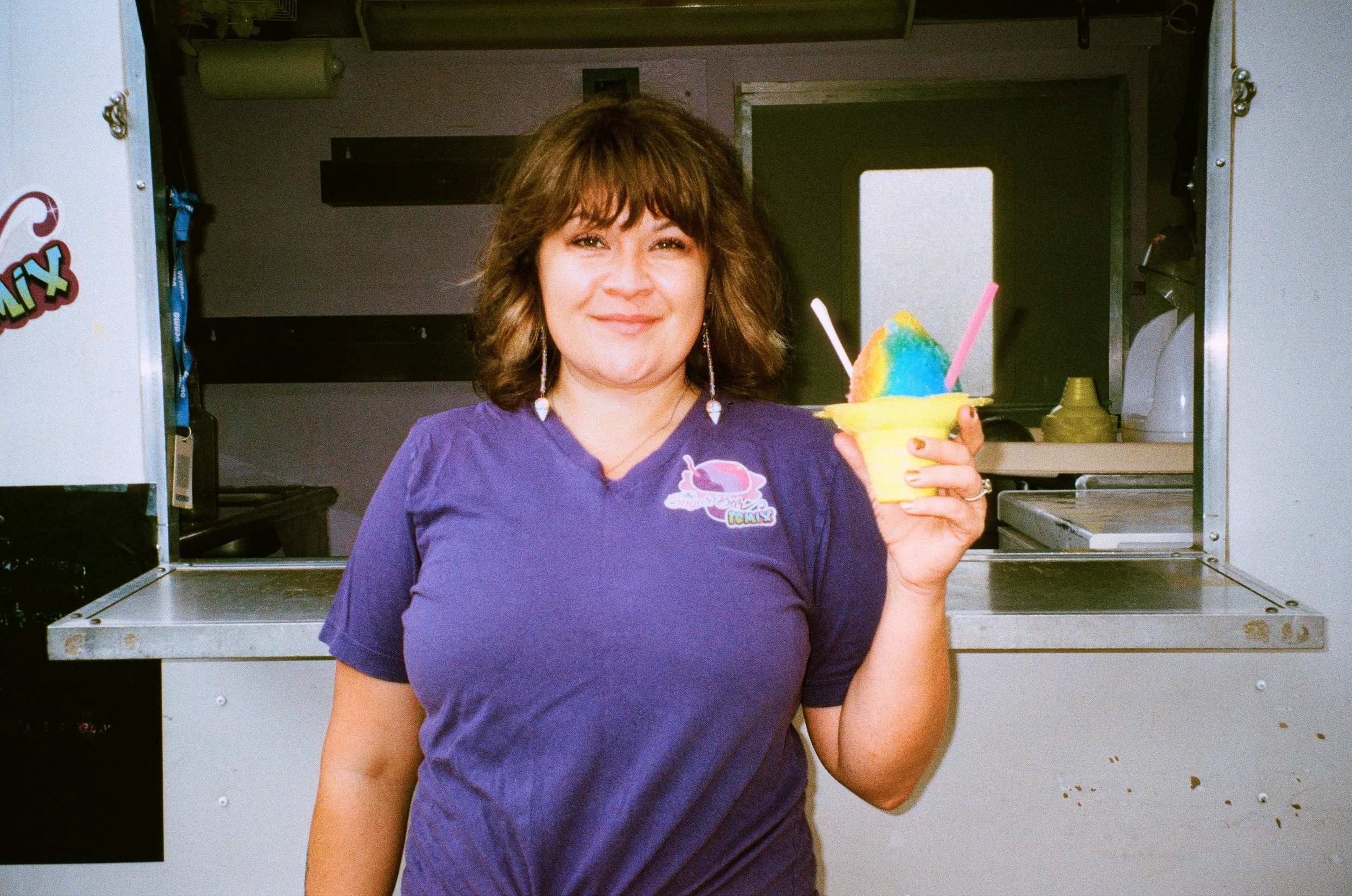
Brandi Williamson holds up a cup of rainbow shaved ice in front of her Sugar Bar Remix trailer.
Finding support also meant finding a school where Williamson felt comfortable trusting others with Walt’s care. Before enrolling him in junior high, she called to ask about the school’s experience with type 1 diabetes. Teri at the front-desk asked whether Walt was still in his “honeymoon phase,” an early period after diagnosis when the body still may produce some insulin. Williamson was both surprised and relieved she knew the term.
A meeting with the principal and school nurse at Parsons reassured her further.
“Everybody knew. They were familiar with the things,” she says. “And it made me feel at home. I was like, okay, we can do this.”
For Williamson, that sense of safety and community support extends to Walt as he attends Camp McCumber in Shingletown, a diabetes camp that hosts campers once a year where they kayak, hike, and have water balloon fights.
One of Williamson’s favorite events during the week-long camp is the dance. Girls arrive in dresses and scheme together on where to tuck in their insulin pumps when there are no pockets available.
“It’s like getting ready with a bunch of sisters,” she says.
Today, some of the campers she knew growing up have returned to McCumber as nurses and directors. Williamson herself returns with her own business, Sugar Bar Remix, a mobile shaved ice trailer, to serve sugar-free cones at the dance.
Growing up, Williamson attended Parsons Junior High and Enterprise High School, and remembers stopping at the Snow Shack in between the two on her walk home. However, there were no sugar-free flavors, so she would buy the plain shaved ice and head into Circle K for a sugar-free peach Snapple to pour over it.
Years later, that workaround became the inspiration for Sugar Bar Remix.
For the first two years in business, she made a point of telling customers they had sugar-free options. Now, people seek her out at the farmers market and Whiskeytown Lake, knowing she provides the flavors they want.
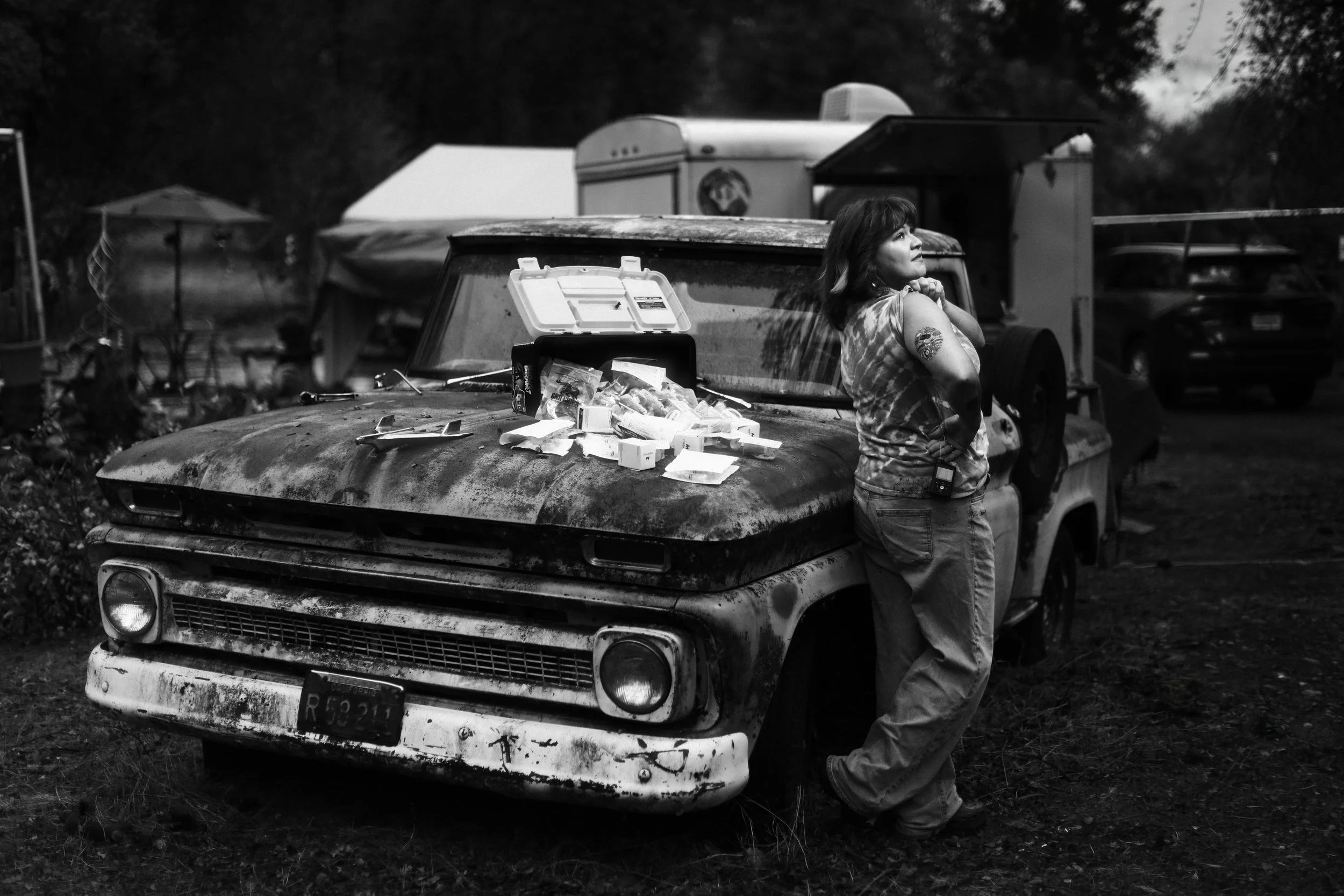
Williamson stands beside a pickup with diabetes supplies spread across the hood.
“As soon as my son got diagnosed, I knew something had to change,” she says. “It can’t just be us.”
brandi williamsonLiving with diabetes in Redding still requires Williamson to look beyond her hometown for specialized care. Walt travels to UC Davis for his care, and she worries where he will turn when he reaches adulthood.
“Getting all of your questions answered when you go to your appointment in UC Davis, hours away, it’s really hard,” she says.
As a child, Williamson rode her bike to appointments at a diabetes clinic near Eureka Way and Court Street. Today, she relies on two local nurse practitioners with diabetes expertise. She worries who will take their place when they retire.
Her concerns arise from working for two decades at Mercy, where she says colleagues have called on her to help patients with their glucose monitors and insulin pumps.
While specialized care can mean traveling outside Redding, Williamson praises the tight-knit community she and Walt have available to them through Facebook groups, other families and at Camp McCumber.
“It’s this long line of really beautiful humans that keep coming back to support kids and help make it easier to live with,” Williamson says.
Their relationships have changed what it means for her to live with diabetes in her hometown. When Williamson began searching for support after Walt’s diagnosis, she wanted him to have the resources she didn’t for most of her life. She didn’t realize how much she would need them herself.
Through Sugar Bar Remix, she is offering others the welcome she found at camp as a child. Now, when she returns to serve sugar-free cones, Walt gets to experience that same belonging, and she gets to help make it possible.
Caring for Walt has inspired Williamson to pay closer attention to her own medical needs, “And to be a better example,” she says.
She cannot take the disease away from her son, but helping him live with it has fundamentally shifted how she lives with diabetes.
“I hate that he got diagnosed. I hate that he has to live with it,” she says, “but it’s made me better.”
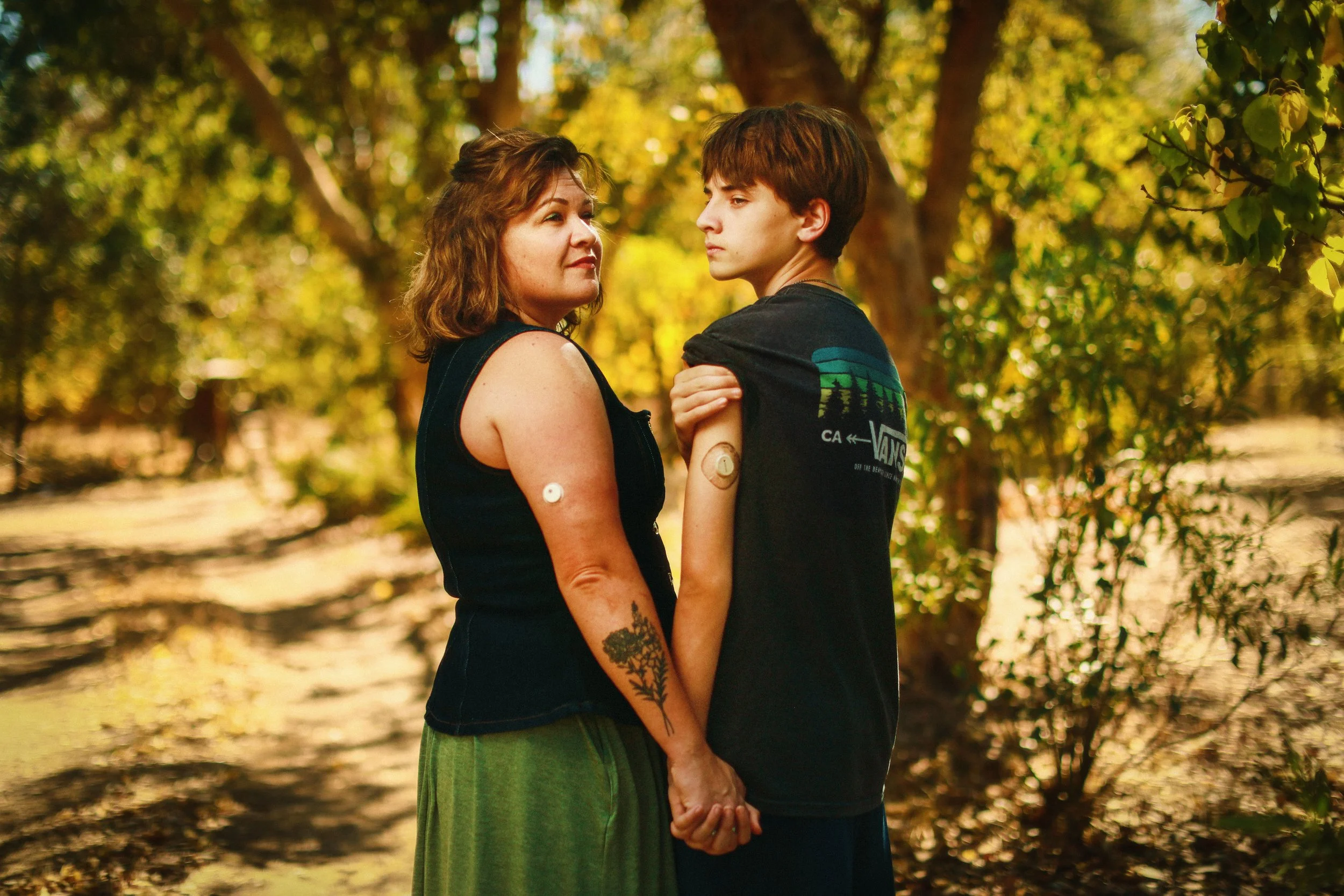
Brandi Williamson and her son, Walt, hold hands and show the continuous glucose monitors they wear on their upper arms.
