
From Hiker Trash Vogue to Bloomline Collective: How My PCT Photo Project Changed the Way I Tell Stories
In 2018, I thru-hiked the Pacific Crest Trail and began a playful portrait project called Hiker Trash Vogue. Eight years later, I’m reflecting on the criticism it received, the conversations it sparked and how it changed the way I tell stories about the outdoors and beyond.
Story by Tommy Corey Photography by Tommy Corey
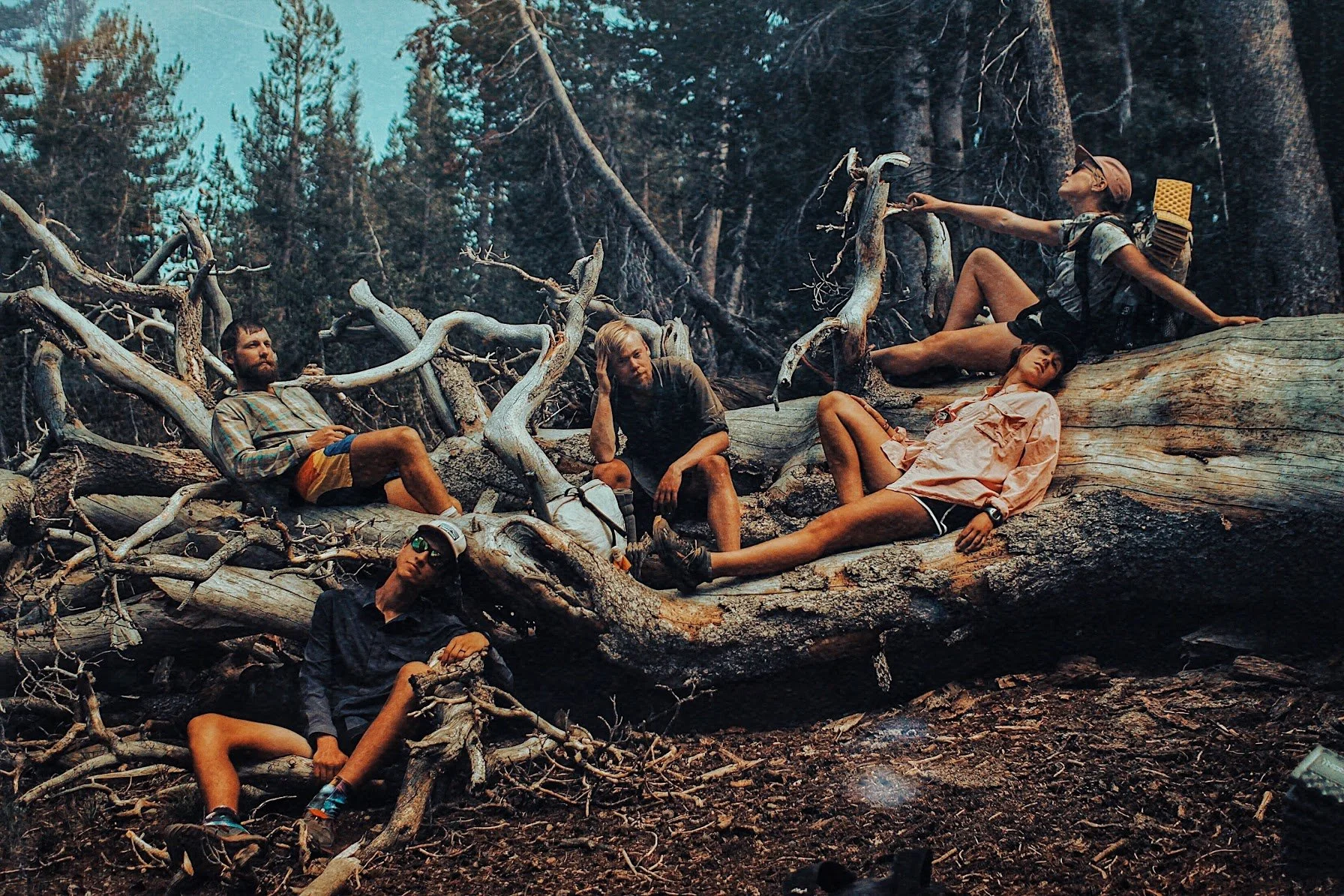
Pickle, Ritz, Easy Company, Blue & Snocket pose on a log near Sonora Pass.
It was a blistering hot day in Northern California, with temperatures teetering above 100 degrees, and I still had 15 miles to hike. While my thighs no longer chafed after losing 20 pounds, my armpits, nipples and ass cheeks all burned from sweat, pack rub and my Dri-FIT Nike tank top. The heat radiating from the trail gave me blisters on my feet—something I hadn’t dealt with for hundreds of miles, thanks to the snow-packed peaks and near-freezing river crossings of the Sierra.
The last half of the day was when I started to lose energy and my breaks became more frequent. The monotony sometimes got the best of me, and I questioned whether I should stop early for the day. Still, I was grateful to have flowers, trees, rocks and mountains to look at instead of the plaster finish of my previous apartment. I finally allowed myself to sit for a break and take in the scenery—and then another hiker walked up.
“Hey, the lighting is really good right now. Can I take your photo?” This became a common icebreaker as I met hikers farther north on the Pacific Crest Trail. In 2018, a record-breaking year for PCT thru-hike completions, a new social-media culture was also taking hold, with hikers following and documenting one another’s journeys online.
On a zero day in Wrightwood, at mile 363, we had packed nine hikers into an Airbnb, and somewhere between doing laundry, organizing resupplies and drinking cheap beer, I thought: Let’s have a hiker photo shoot.
I told each person to grab a piece of their gear and “model” with it. I edited all nine photos on my phone and posted them to Instagram, tagging the brands whose products we had used—and the post exploded. That’s when I thought, Maybe this is the project I should work on for the rest of the trail. Hiker Trash Vogue was born.
As I made my way farther north, hikers would recognize me and asked to be photographed before I even had the chance to ask them. I remember one hiker telling me, “I will literally do anything.” I believe that is how the Got Milk?-inspired shoot in Seiad Valley began.
While many photographers might find those requests rude or annoying, this was the first time in my life I genuinely felt that people cared about the work I was doing—and wanted to be part of it. That was incredibly exciting to me.
I finished the PCT on October 5. Shortly afterward, Outside featured my work on its website. At the time, it felt like my moment—being seen on such a big platform seemed to mean I had made something worthwhile. To my surprise, the article’s comments were divided.
Many commenters on the Hiker Trash Vogue article asked where the hikers of color were; others accused me of deliberately featuring only white hikers. In fairness, they were not wrong to point out the disparity. At the time, though, it was painful to feel attacked over something that was outside my control.
As a Mexican American and queer person, I recognized the trail’s lack of diversity immediately. But because I am white-passing, I also understand the privilege I carry: I am often accepted in spaces without having my identity questioned or feeling visibly excluded because of the color of my skin. It is a complicated dichotomy—to come from communities that remain underrepresented outdoors while still moving through the world feeling represented myself.
According to a 2018 survey by the popular thru-hiking blog Halfway Anywhere, nearly 91 percent of PCT thru-hikers who responded that year identified as white. That statistic put numbers to what I had experienced during my own hike: the trail community around me, and therefore the hikers in my photographs, was overwhelmingly white.
At the time, I felt defensive. The hikers I encountered and photographed on the PCT were overwhelmingly white, reflecting an outdoor culture that has long been less accessible to people of color, queer folks and people with disabilities. I could not change who had crossed my path that year, but I could think more critically about the stories I chose to seek out—and whose experiences I helped make visible afterward.
After reflecting on the article and its comments, I knew I had two choices: remain upset by the criticism or learn from it and make something of it. I chose the latter.
As a young artist, it was formative to see the collection spark conversation. It led me to make 12 short films about people of varied identities and inspired the book I published in 2025, All Humans Outside, which features 101 individuals who have found purpose and belonging in the outdoors.
The work I have dedicated my life to in the eight years since the PCT has not been an attempt to make up for Hiker Trash Vogue’s lack of diversity. Rather, it has been an effort to remember what that experience taught me by telling the stories of others—especially people who have not often been represented in outdoor storytelling.
I am proud of this work and grateful for all it has done to shape me as an artist, author and journalist. The impact Hiker Trash Vogue has had on my life is indelible.
Hiker Trash Vogue is also the reason Bloomline Collective exists today. After producing the short films and publishing a book, I knew I needed a creative space that would allow me to keep telling all kinds of stories about the outdoors, community and our humanity.
Looking back on my 2018 project, my biggest takeaway is what guides my work today: sometimes people do not want to be simply photographed—they want to be seen. That is what keeps me going, and what I hope Bloomline Collective becomes: a place where people feel seen and no one is left wondering whether there is room for them.
Back then, I thought I was just stopping on the side of the trail to rest my body. I did not know that the hikers who walked into those breaks—and agreed to jump into freezing alpine lakes, lie in the dirt and pose or pour whole milk over their head—were also setting the direction for the life and the work I would build after the PCT.
Testimonials
“I hiked hundreds of miles with Twerk. And while it was annoying being relentlessly yelled at (“Collapse! Like you’re dead… no, not THAT dead. Close your mouth. Now open it. Get in the bushes…further! Now crawl!”), looking at the photos now eight years later is so special. I have real photographic evidence of meeting some of my best friends and hiking the PCT. Another life!”
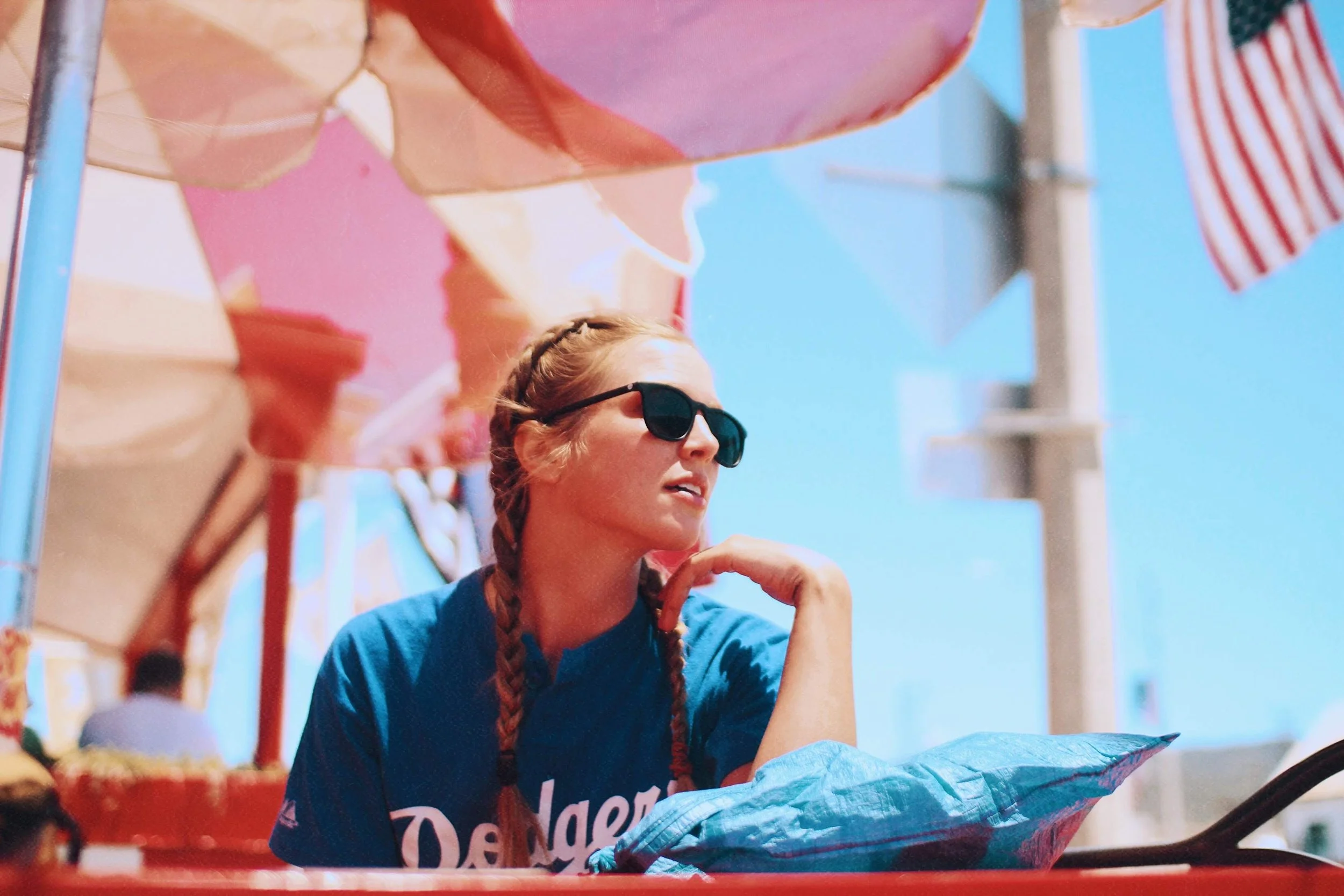
Snocket in Bridgeport.
“Some of my most memorable and strenuous days on trail were hiking around Twerk for HTV. I remember stopping early one night and catching up to the group in the morning, and he said ‘We’re gonna do 25 miles. Ya in, pants?’ I knew I’d already done 8 miles, a 30 mile day was thought to be unreachable in my eyes. I just .. I wasn’t capable. Turns out, when you have a narrative in your head that you’re not good or fast or skinny or… enough, it spills over, even 1500 miles into the trail. But, I smiled, acknowledging his lighthearted banter and somehow decided I’d try. I didn’t know it then, but I’d decided the laughter, in between the beautifully curated photos, in between the miles and the heat and the ridiculous water carries, the baby rash cream addressing the you-know what chafing in unfathomable places… that whole day magic was created. I’ll always remember that day on trail as a day I finally had fun AND pushed myself, combining two worlds that I thought were juxtaposed but in reality a delicate balance that makes life so wonderful.”
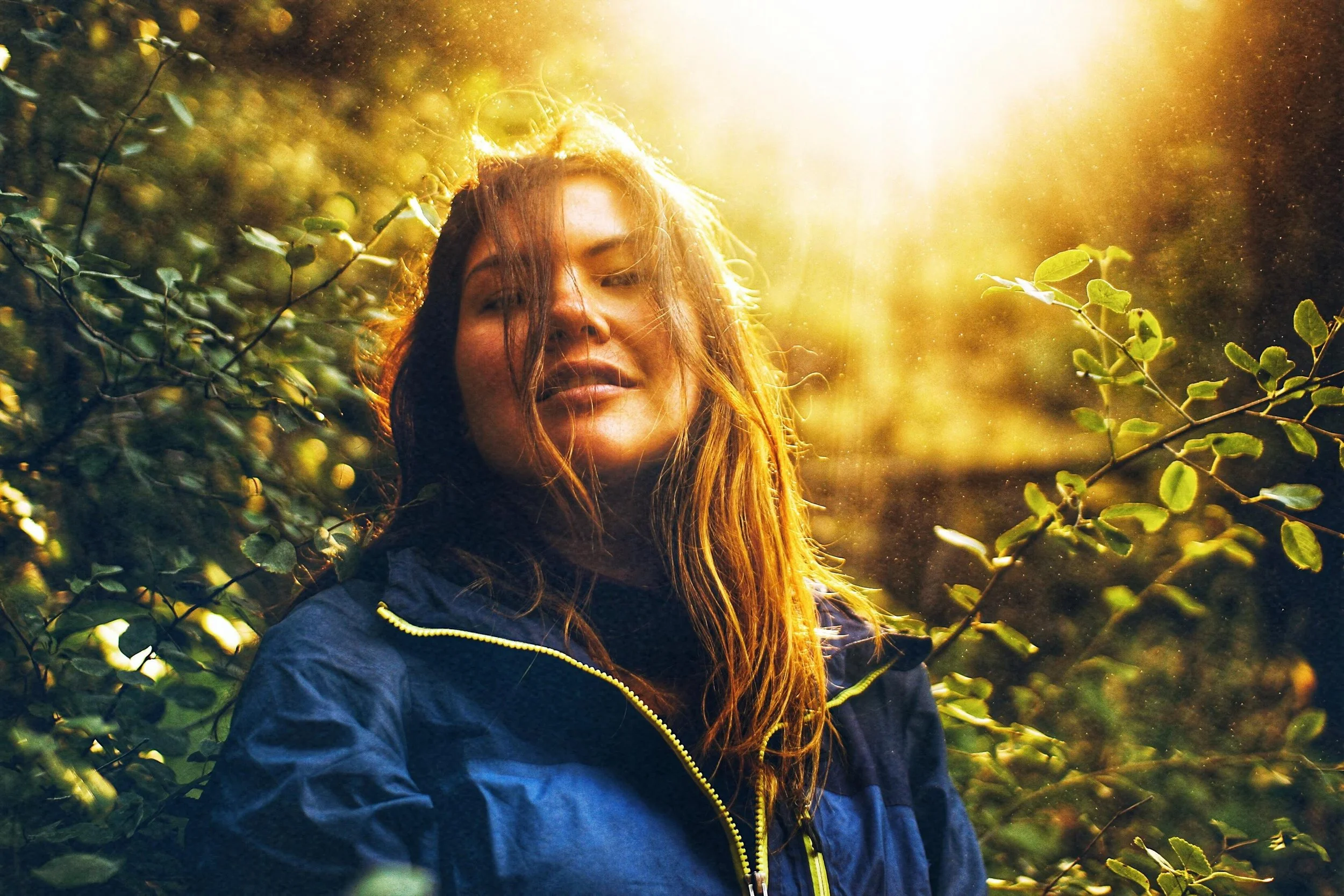
Hot Pants in Nor Cal.
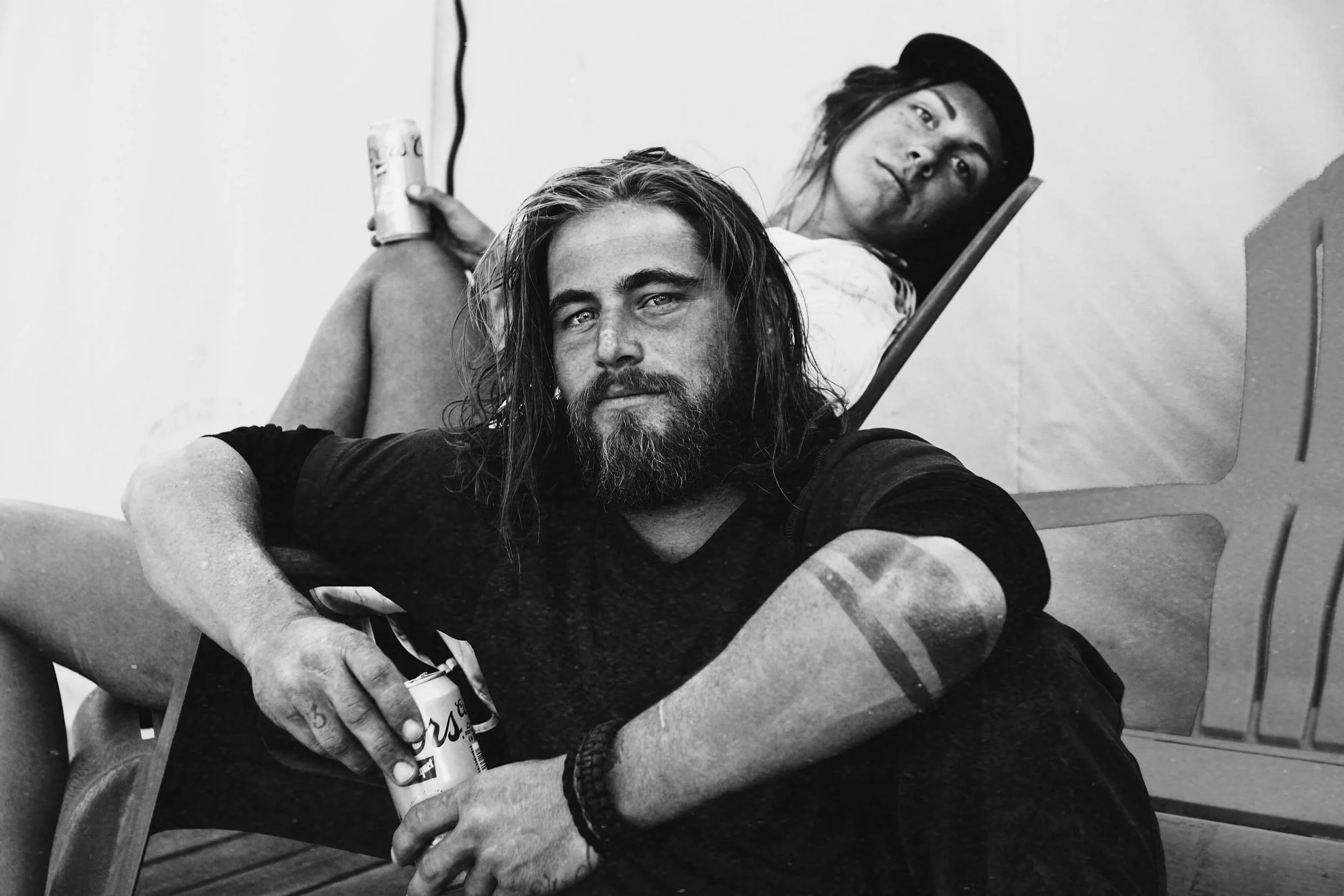
Hikers at Vermillion Valley Resort.
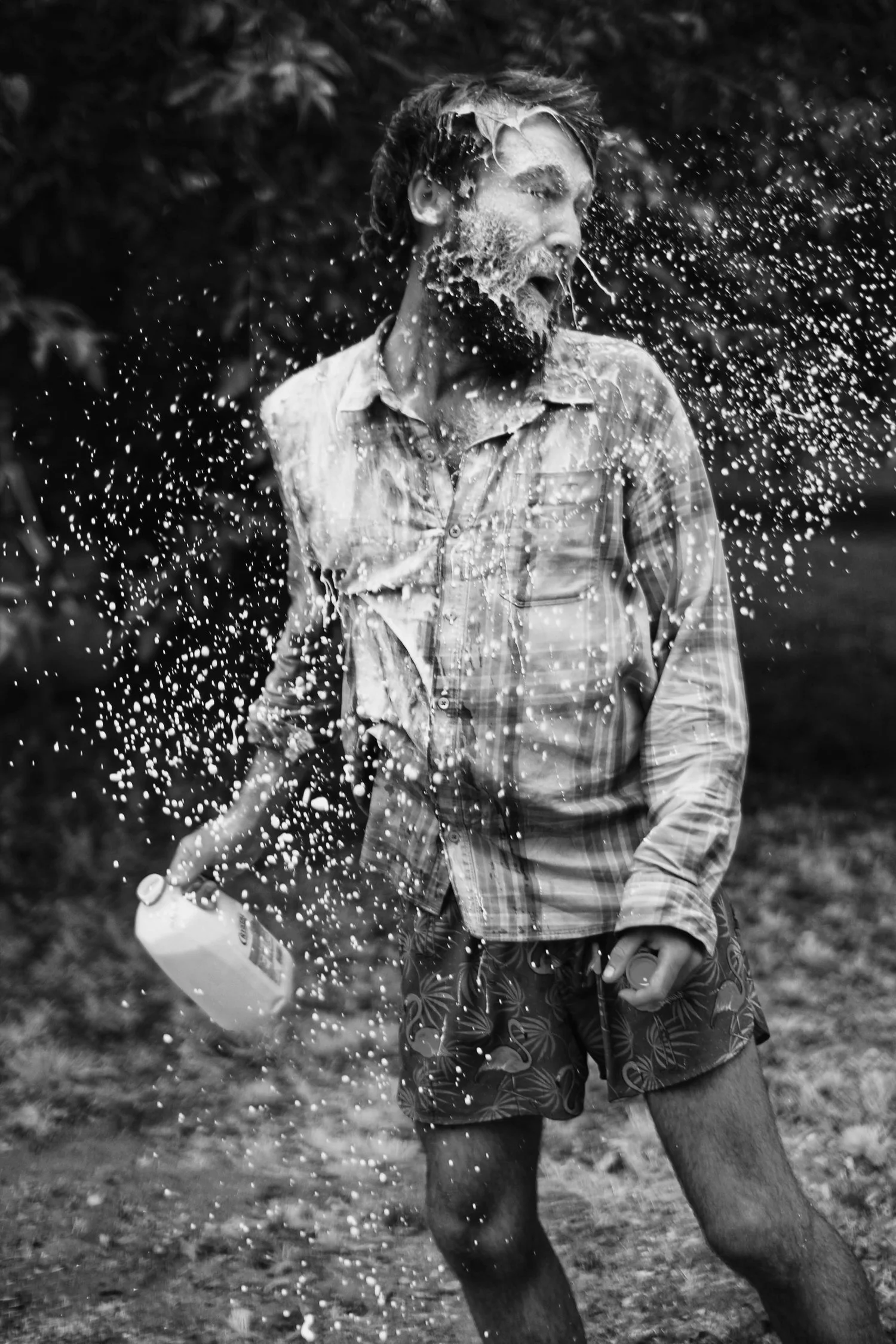
Ben from Australia pours milk over his head in Seiad Valley.
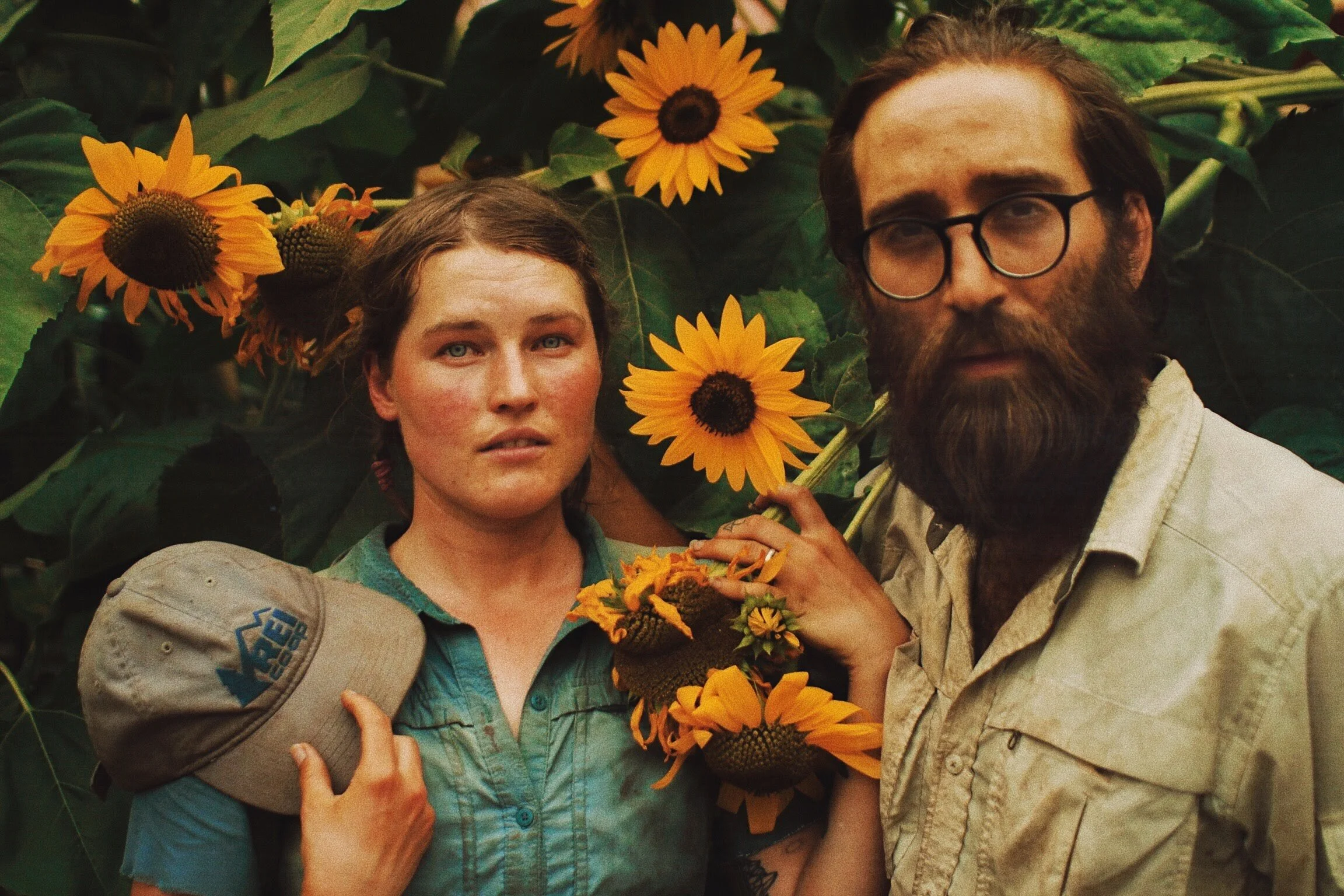
Hikers pose in front of sunflowers in Dunsmuir.
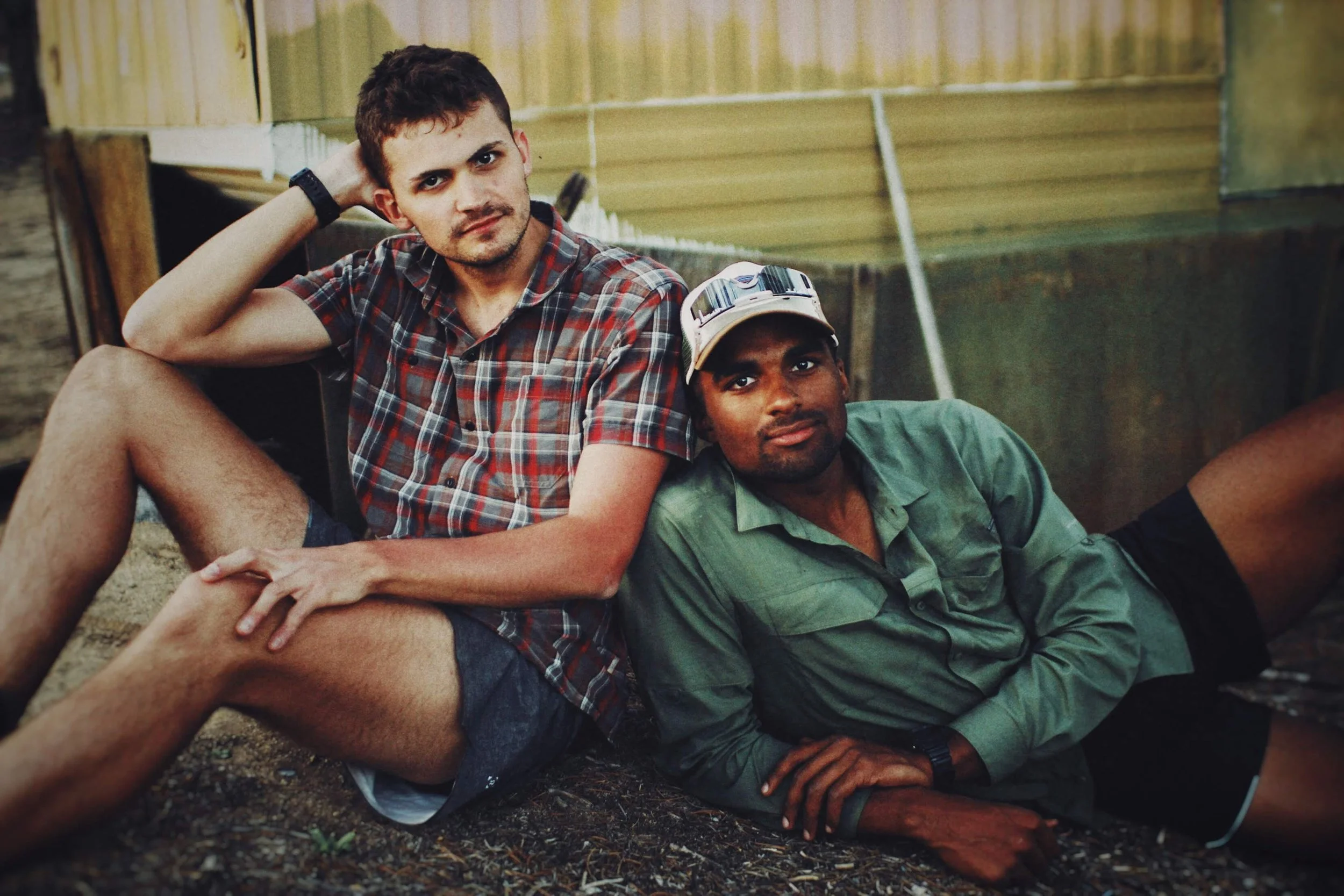
Ross and Gabe in Kennedy Meadows.
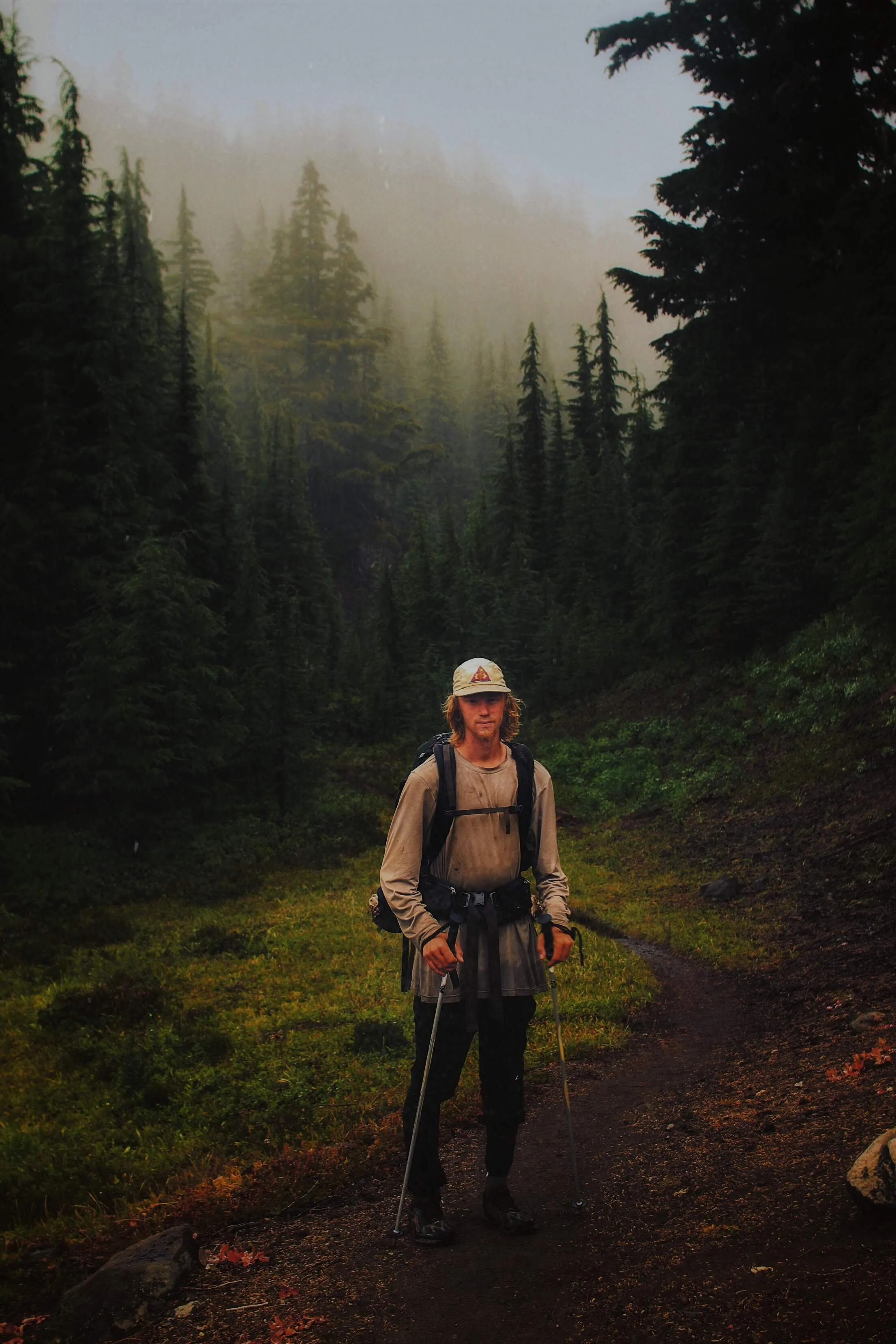
A foggy day near the Three Sisters in Oregon.
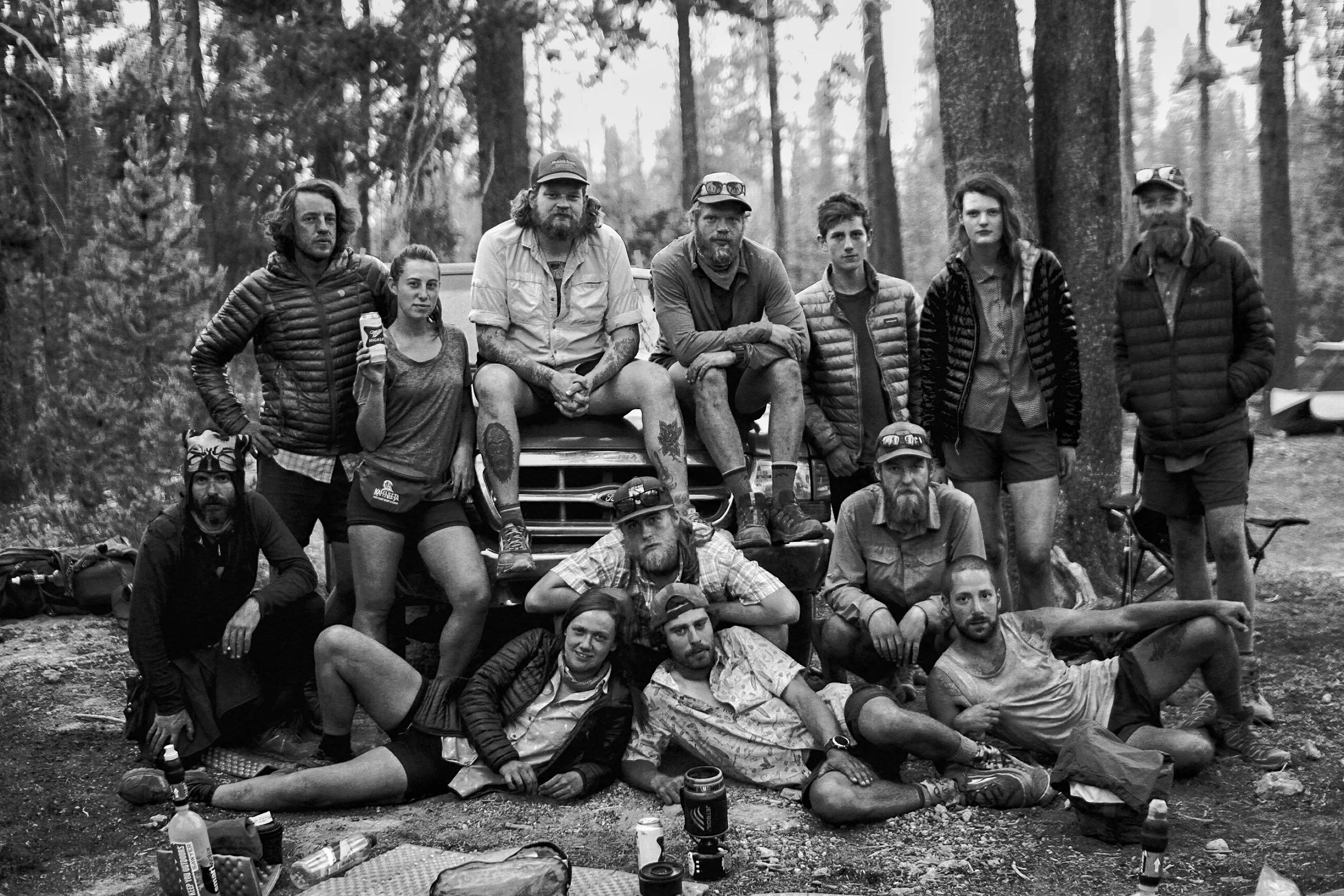
Trail Magic near Crater Lake from Sultry Bear.
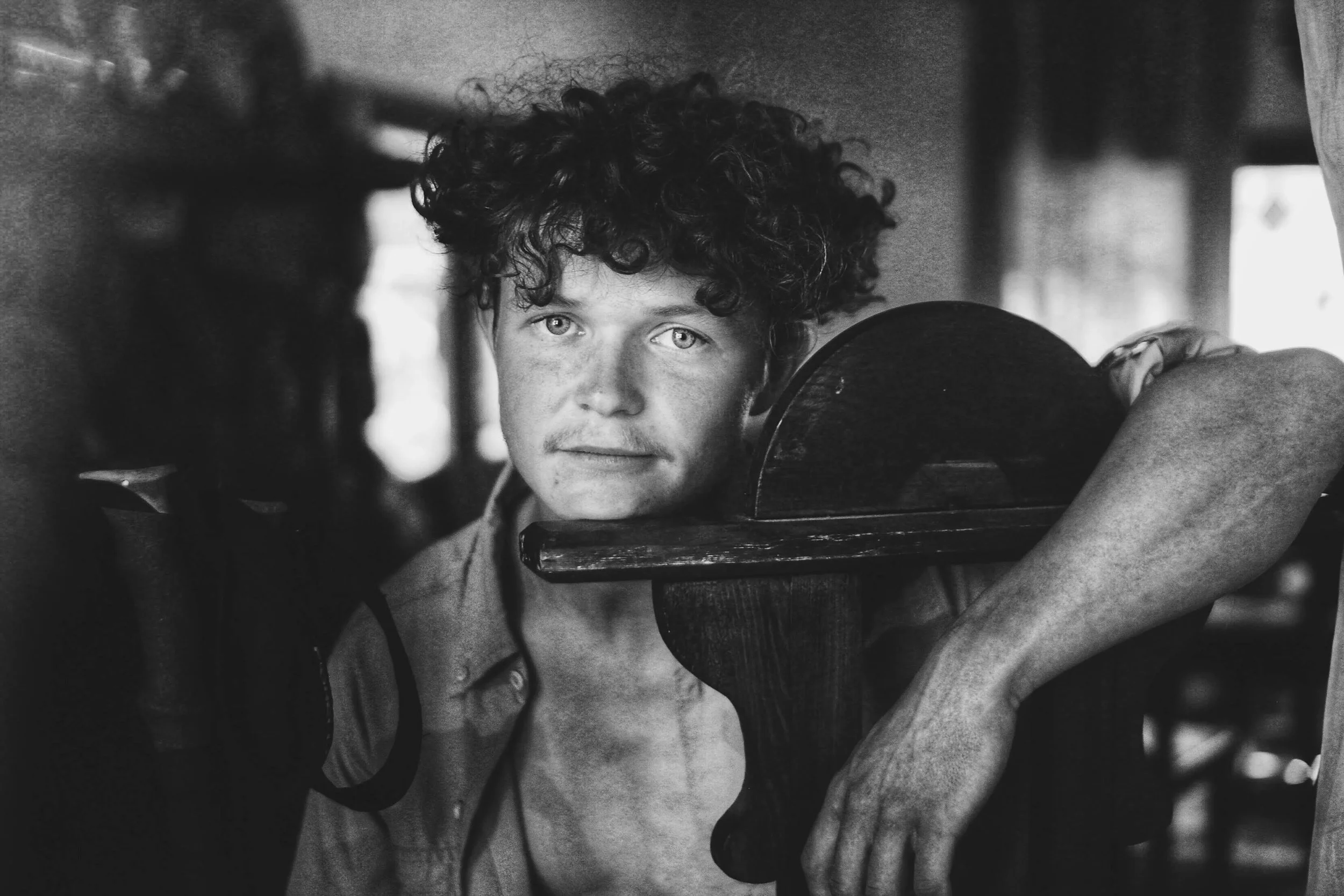
Fetus poses for the very first Hiker Trash Vogue photo in Wrightwood.
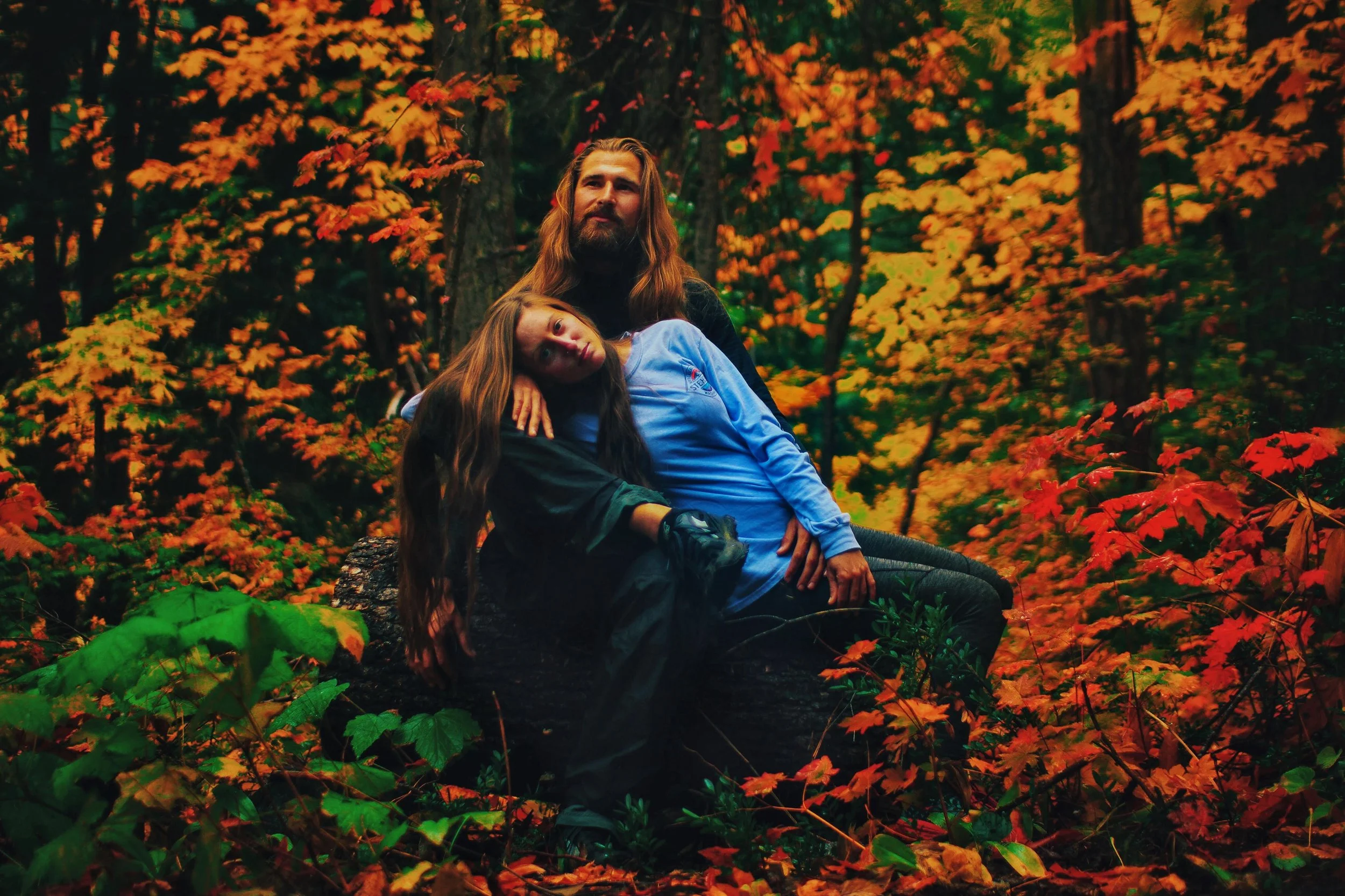
Photo-Op and Thesaurus pose among the colorful leaves leaving Stehekin.
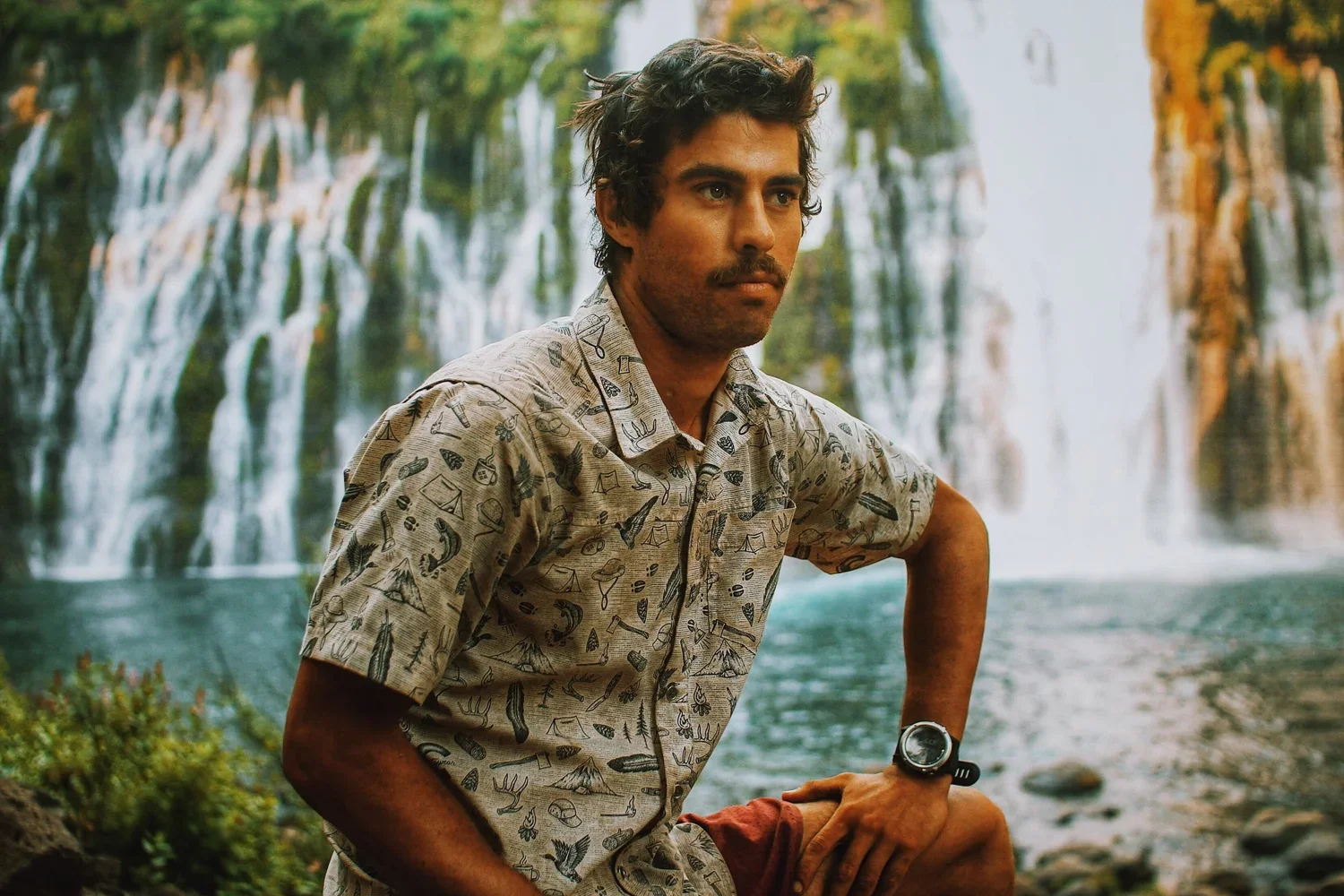
Hiker Box at Burney Falls.
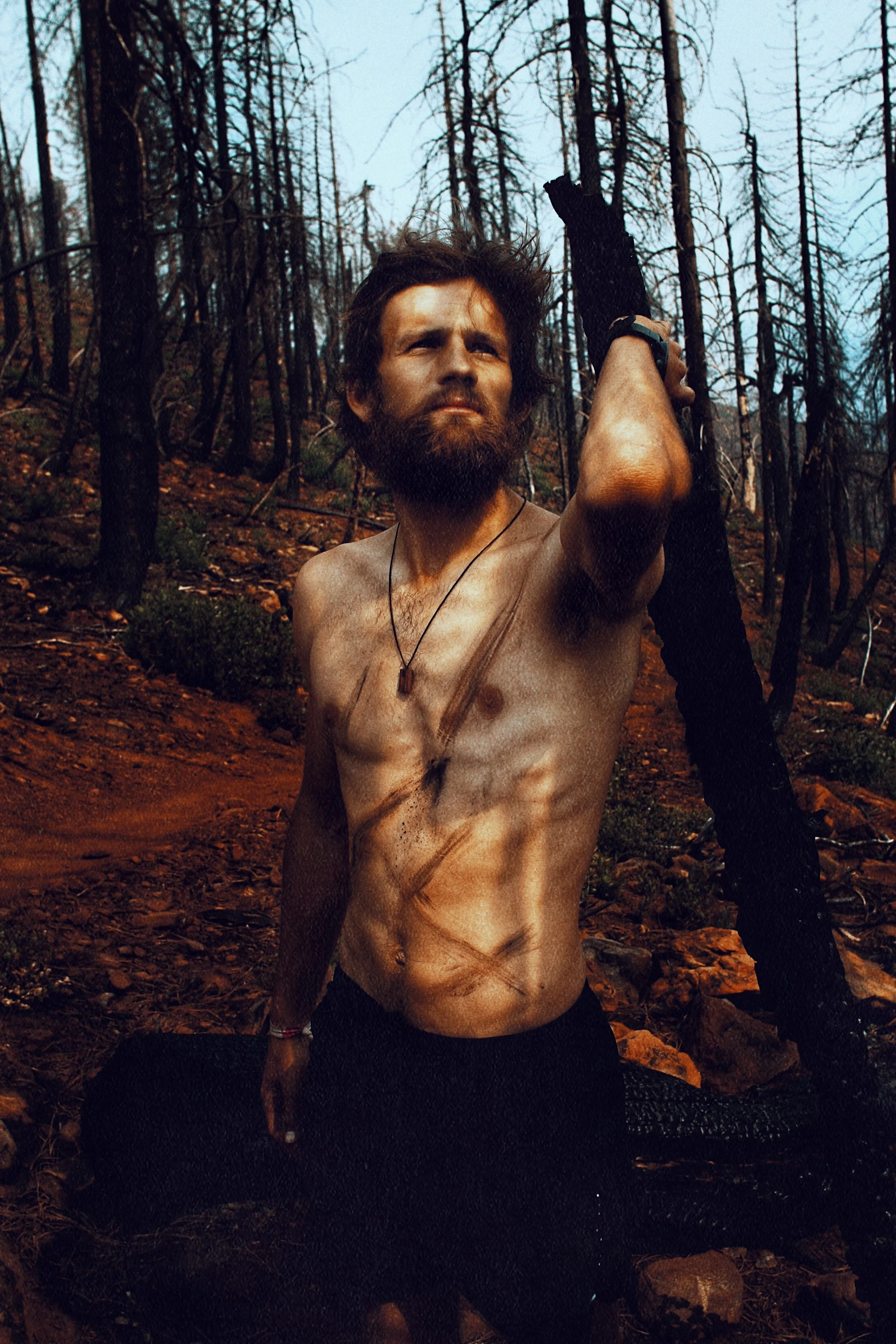
Guumy in a burn section of Northern California.
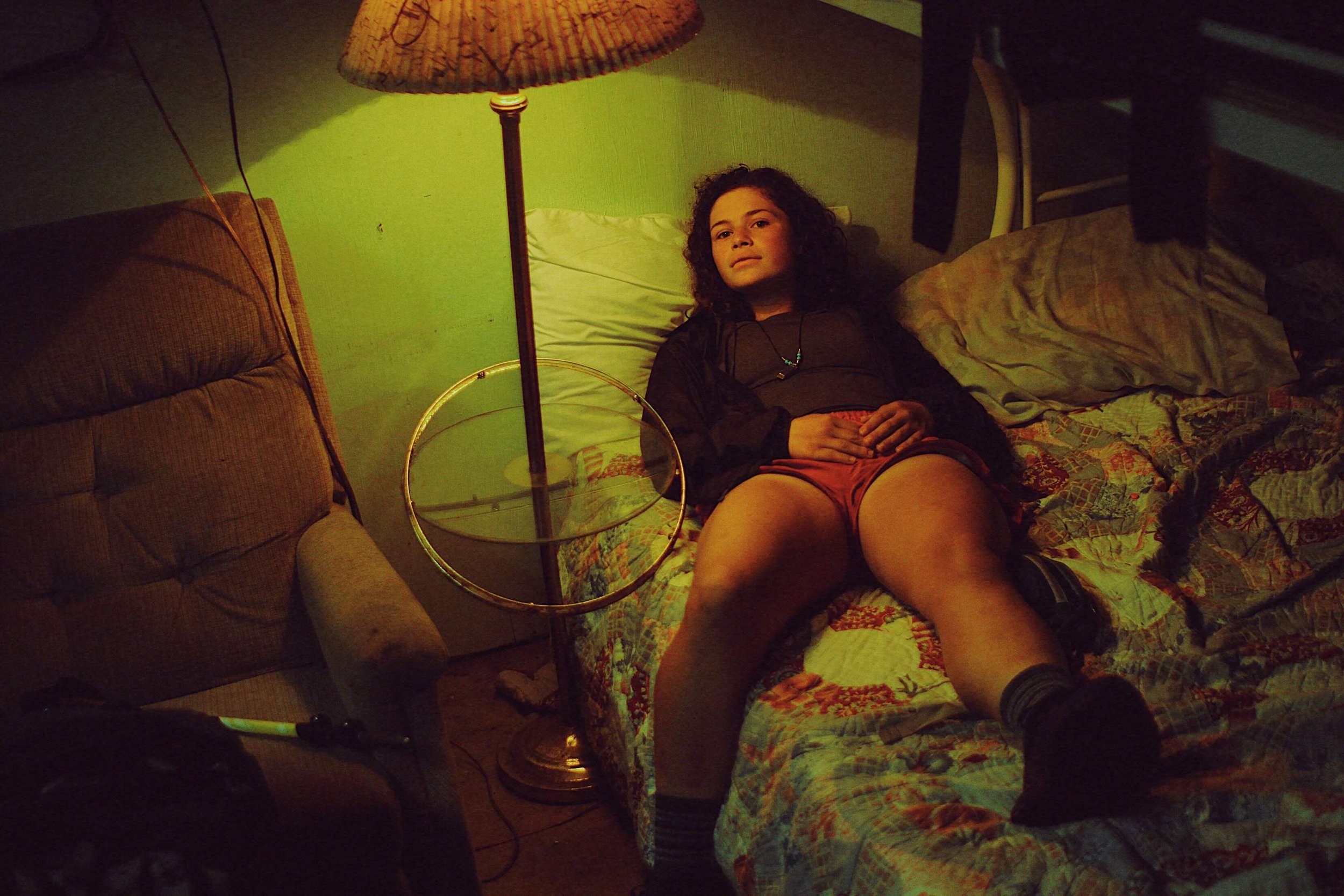
Mouth at the Dinsmores’, trail angels in Washington.
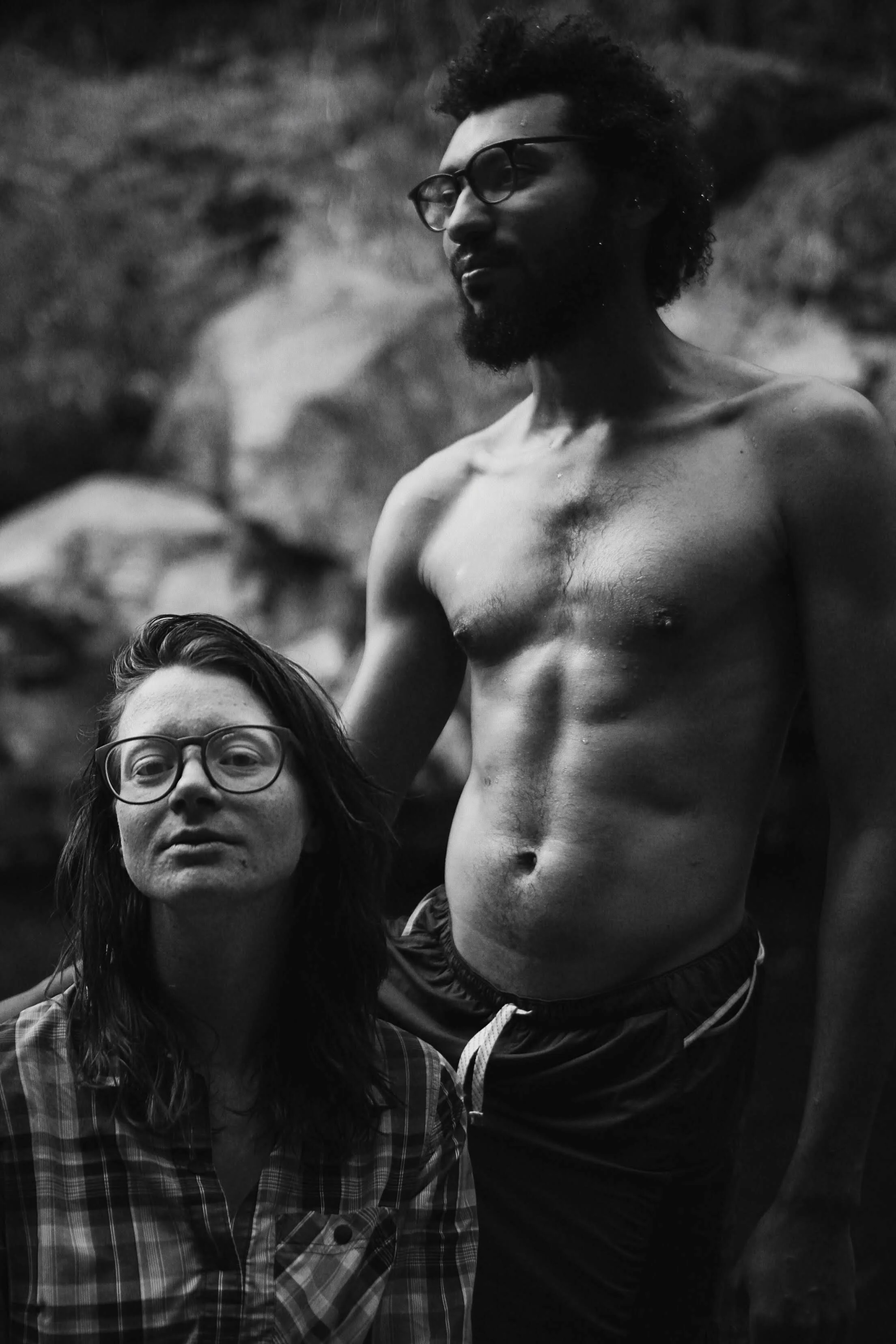
Cheez-it and Monster at a swimming hole near Sierra City.
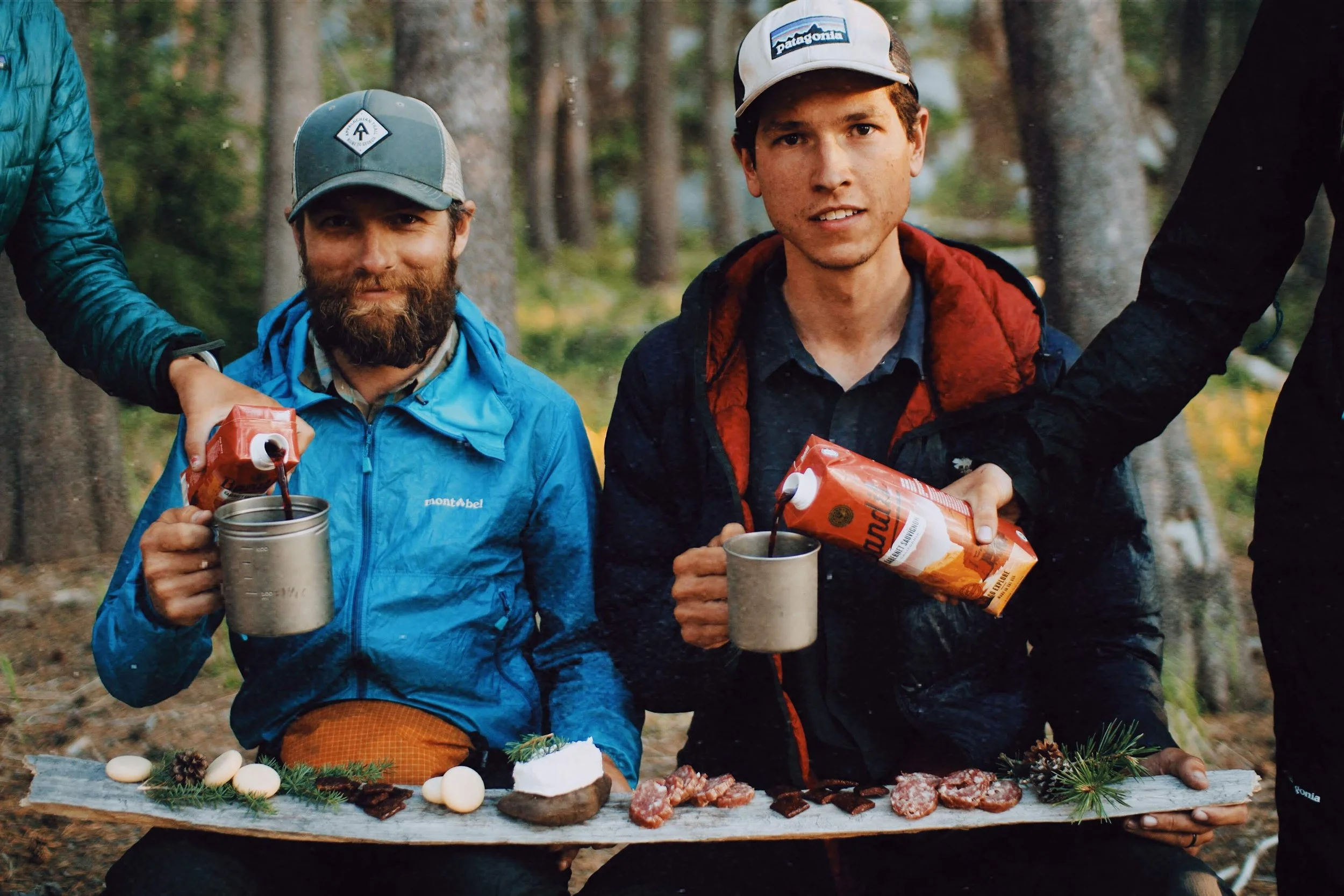
Pickle and Ritz having charcuterie outside Tuolomne Meadows.
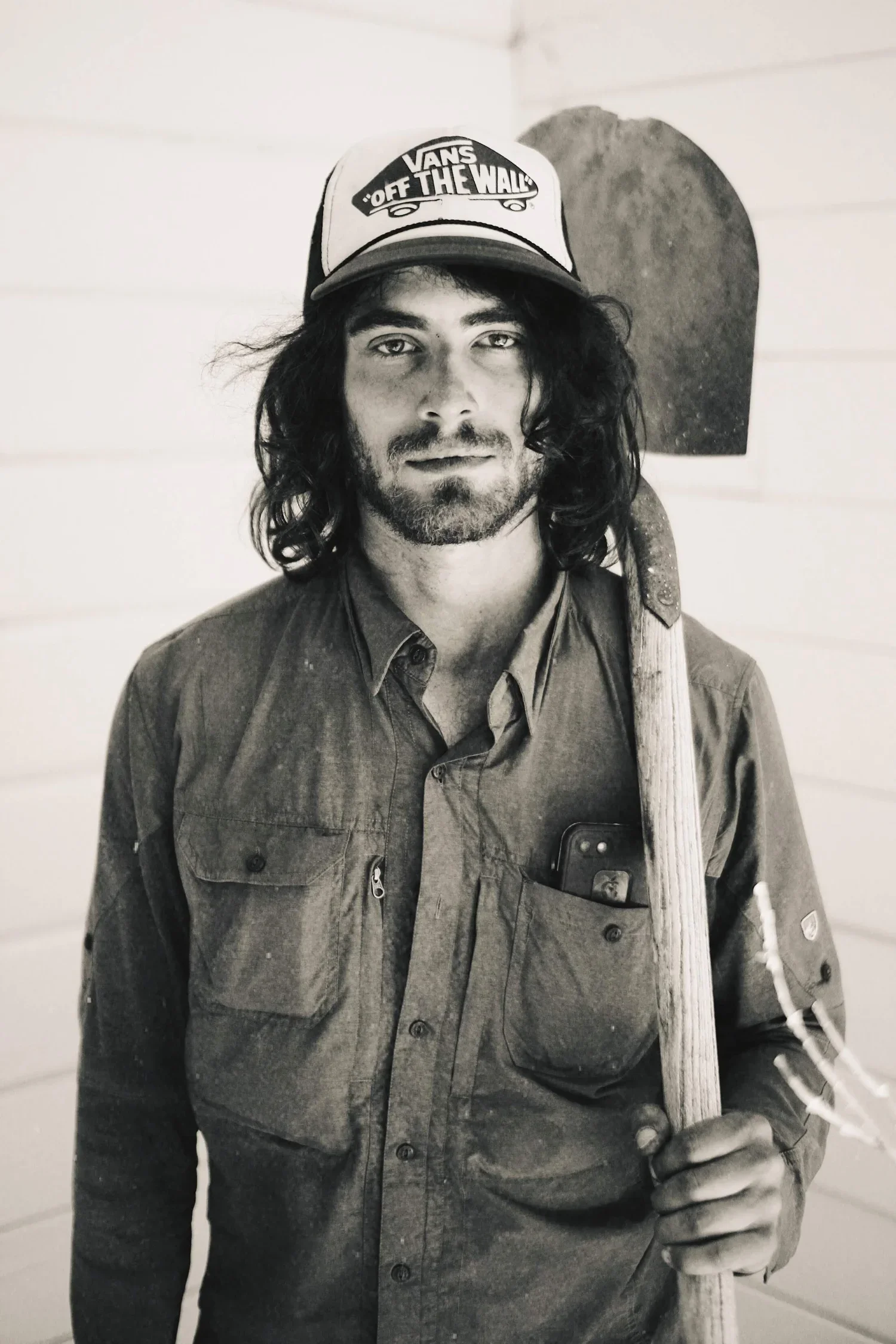
Shaun in Sierra City.
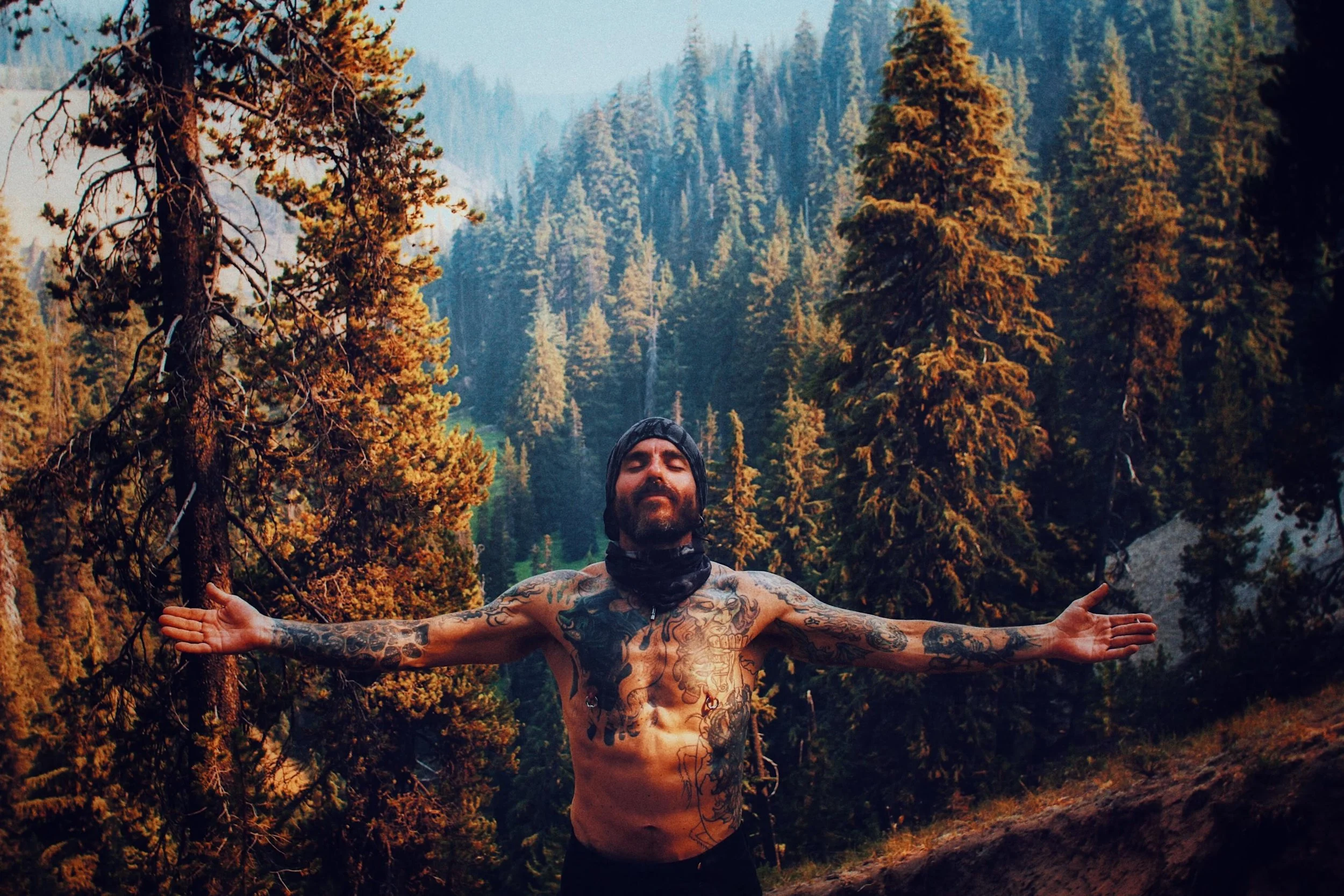
Night Crawler at Crater Lake National Park.
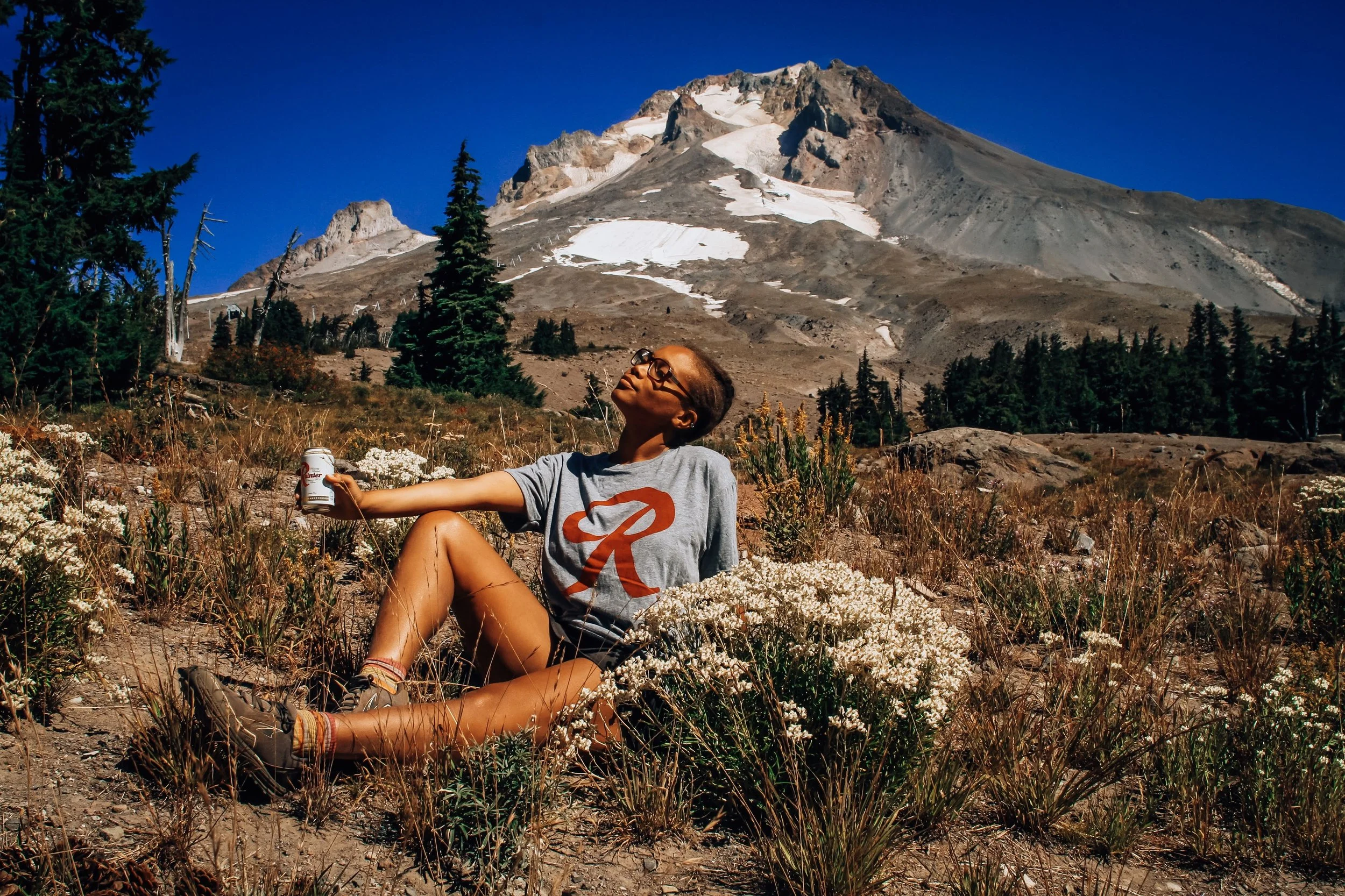
Sea Lion at Timberline Lodge in Oregon.
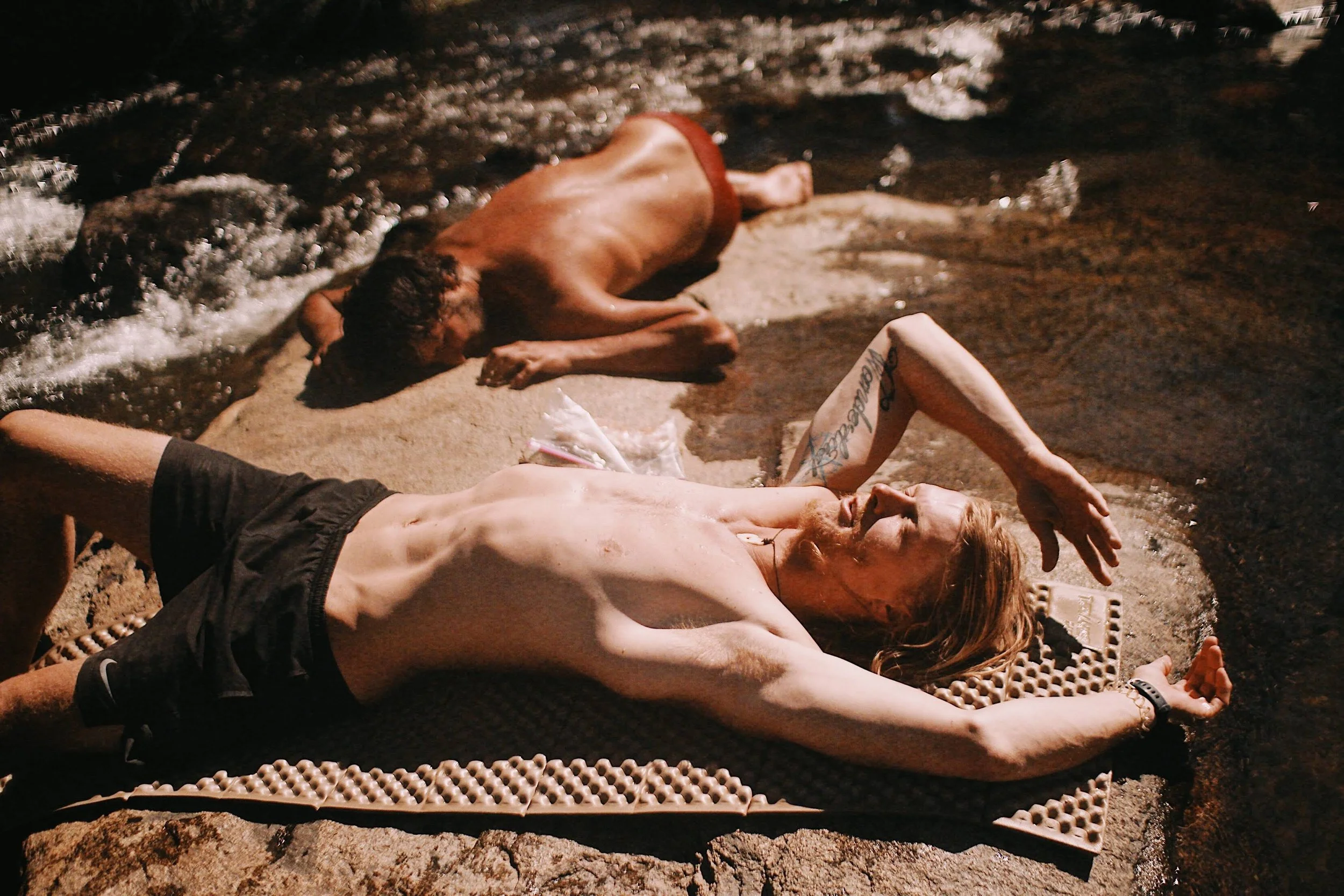
Mowgli and Huck relax in the Kern River near Kennedy Meadows.
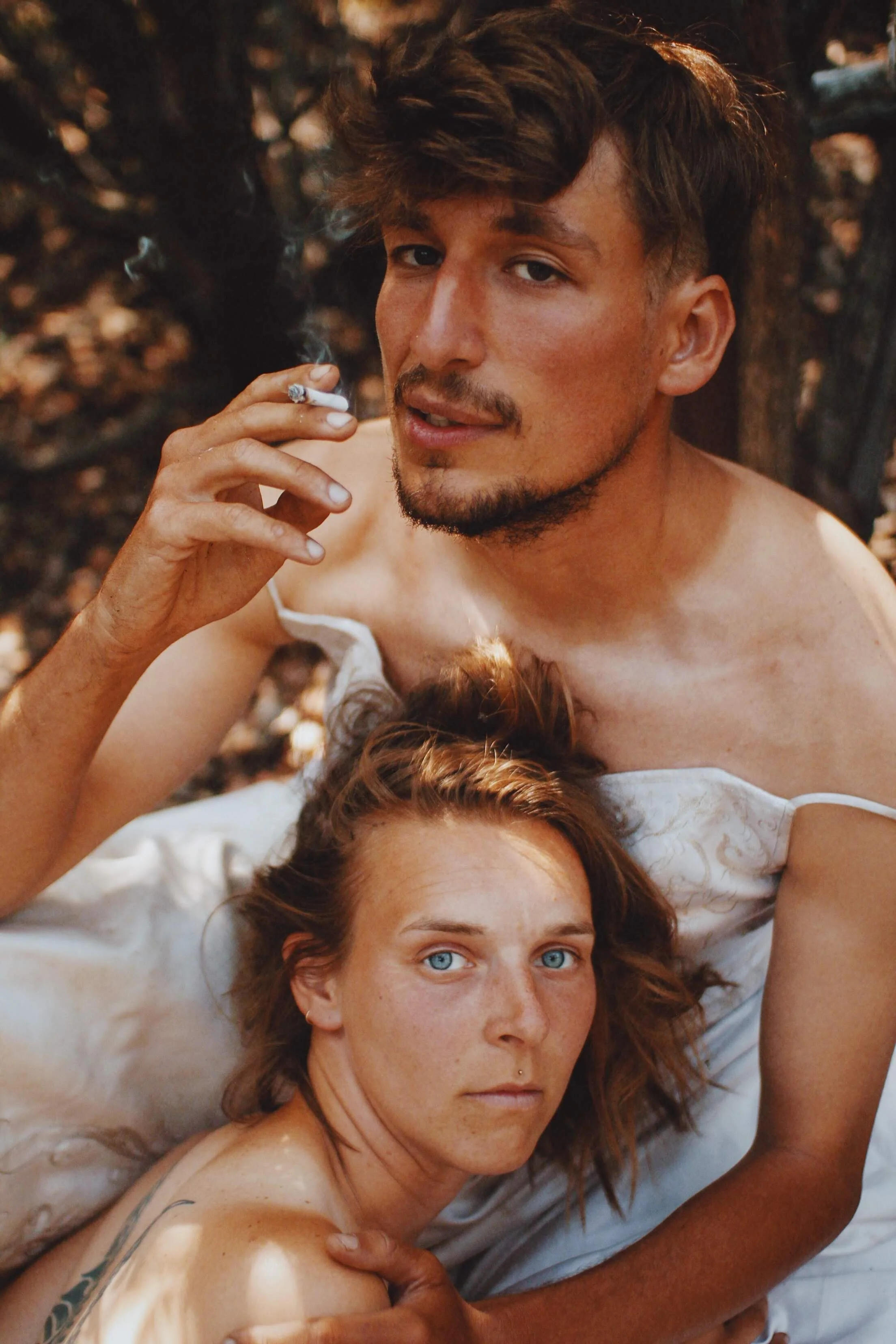
Hikers in a vintage wedding dress at Casa De Luna.
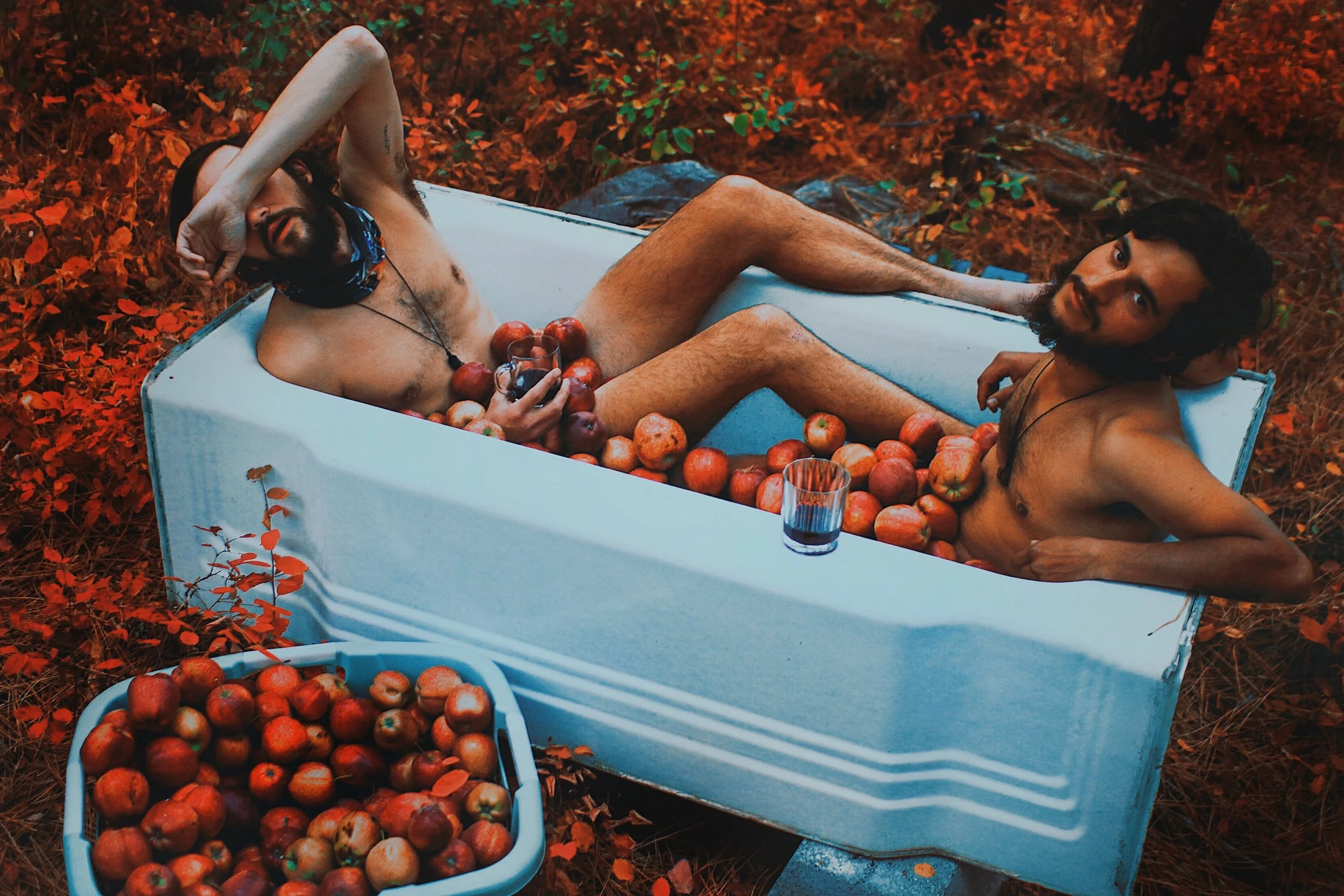
Matt and Mouse Trap in a bathtub full of apples at Ravensong’s House in Mazama, WA.
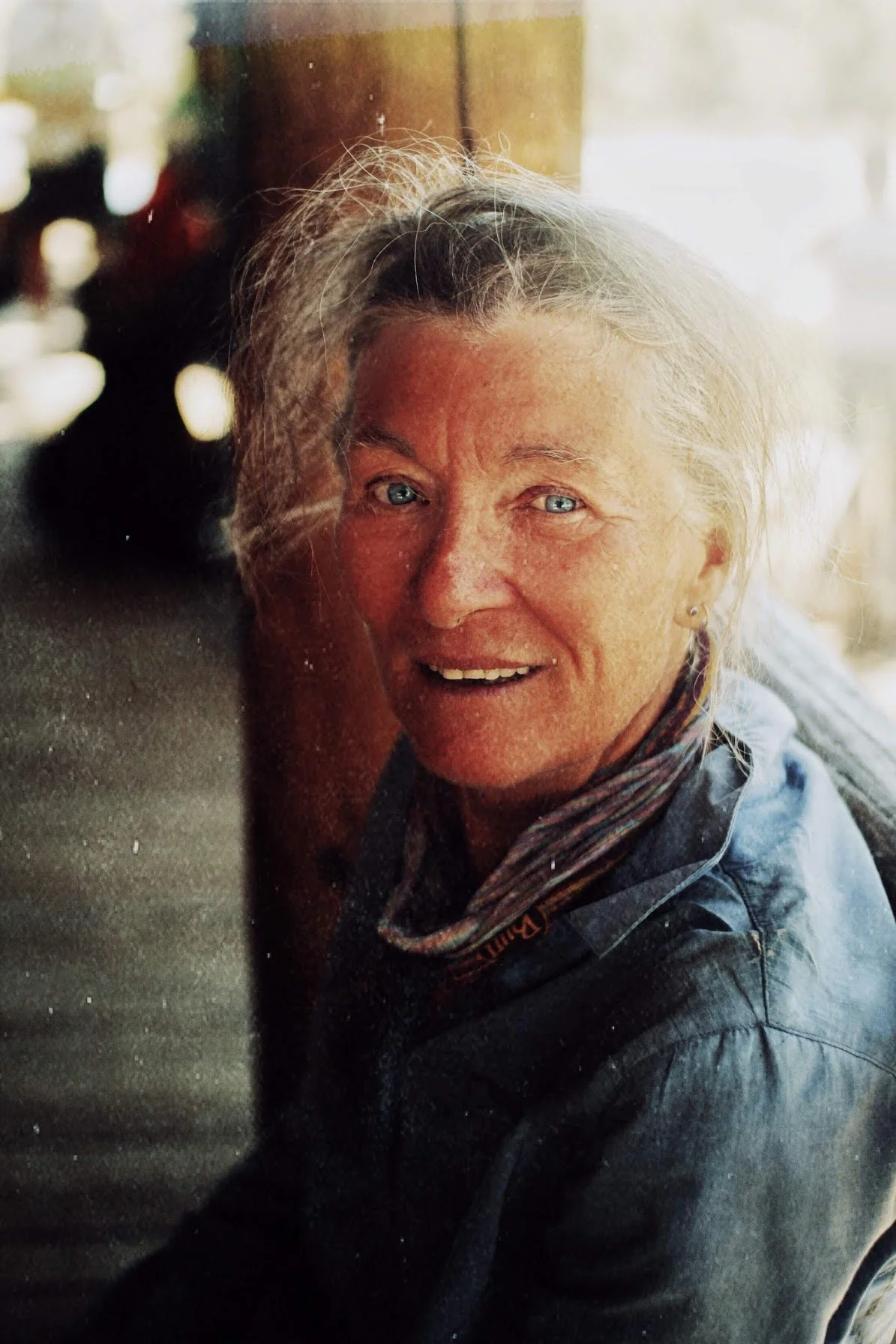
Redback at Kennedy Meadows General Store.
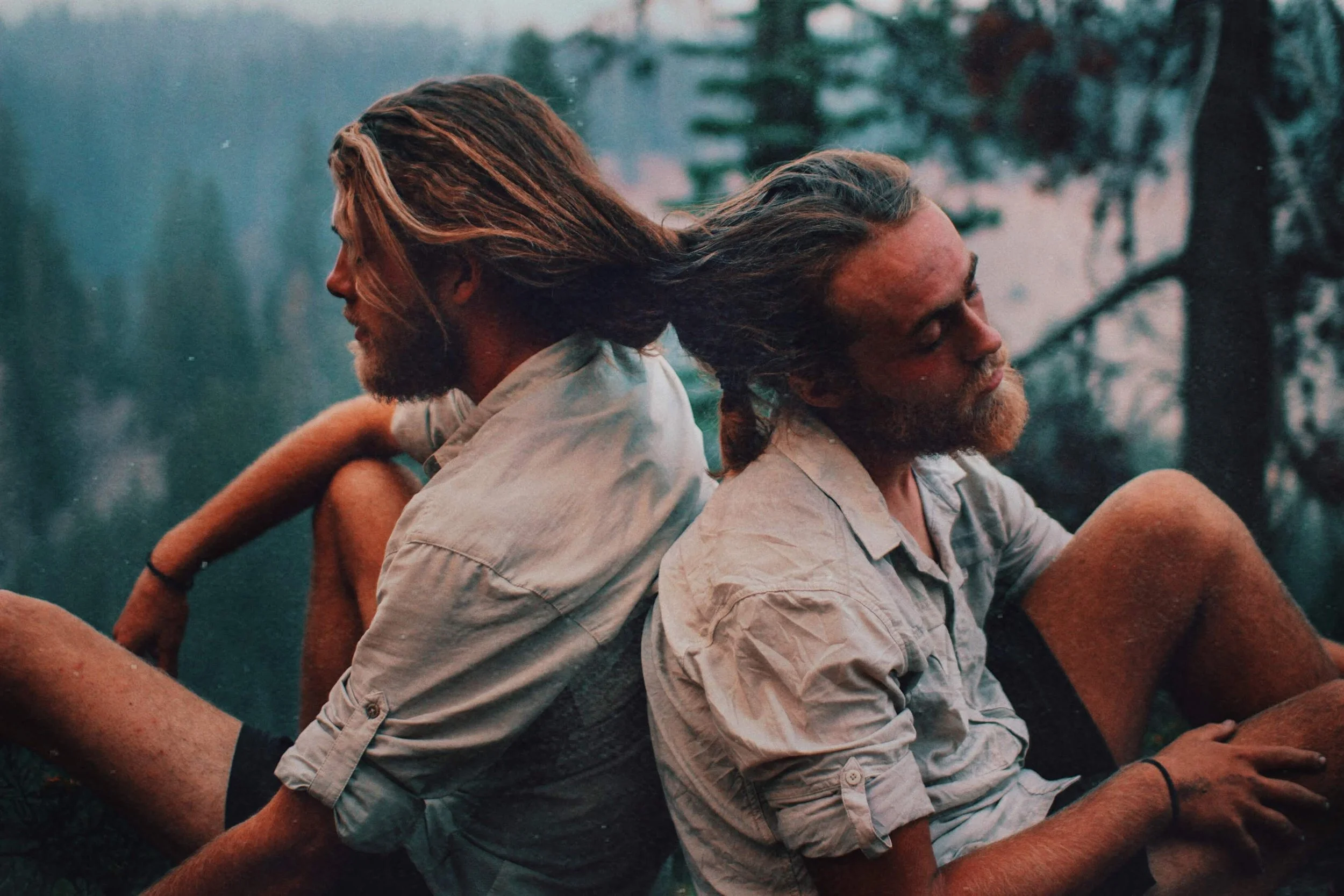
Connecting hair at Crater Lake.
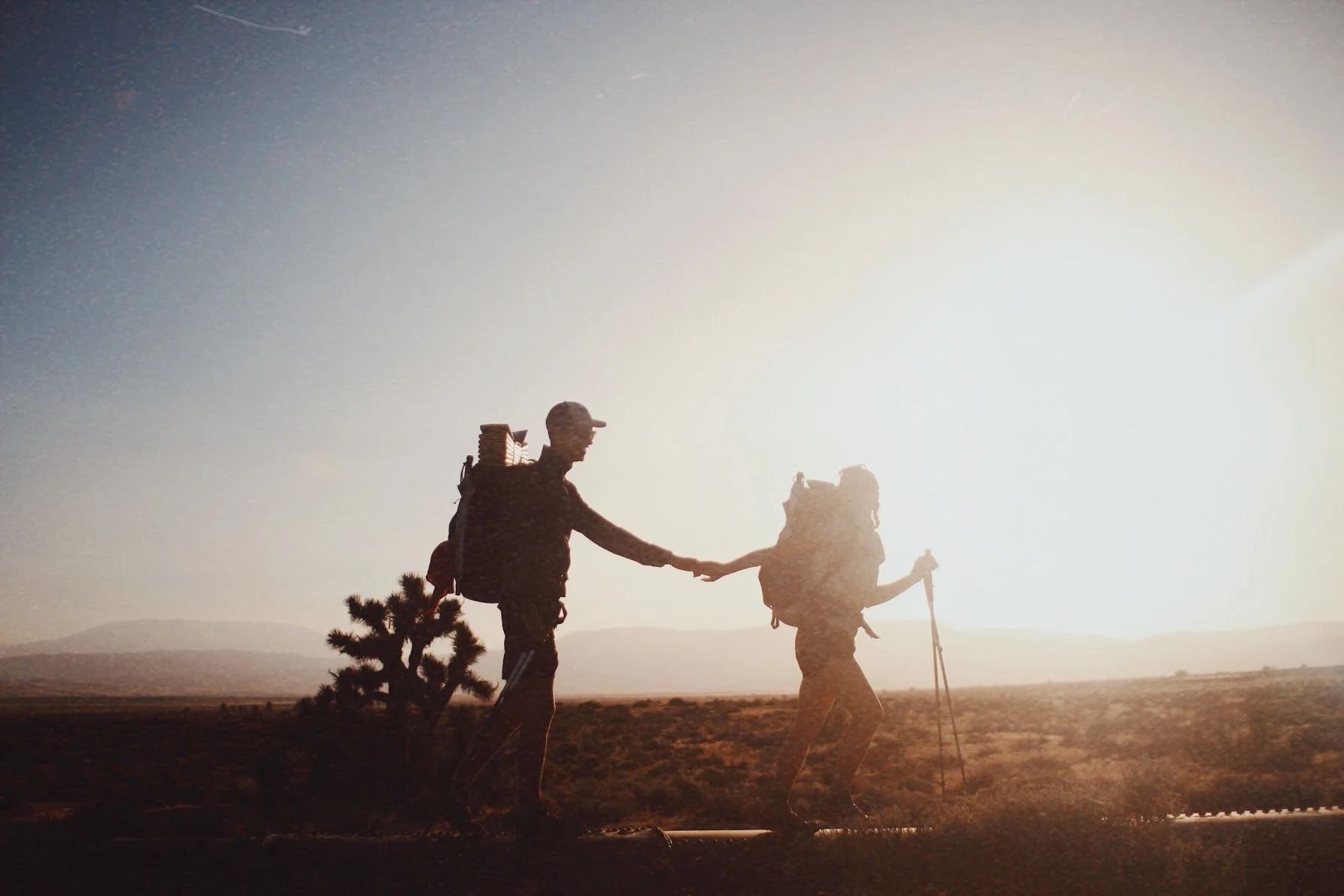
Ritz and Snocket on the L.A. Aqueduct.
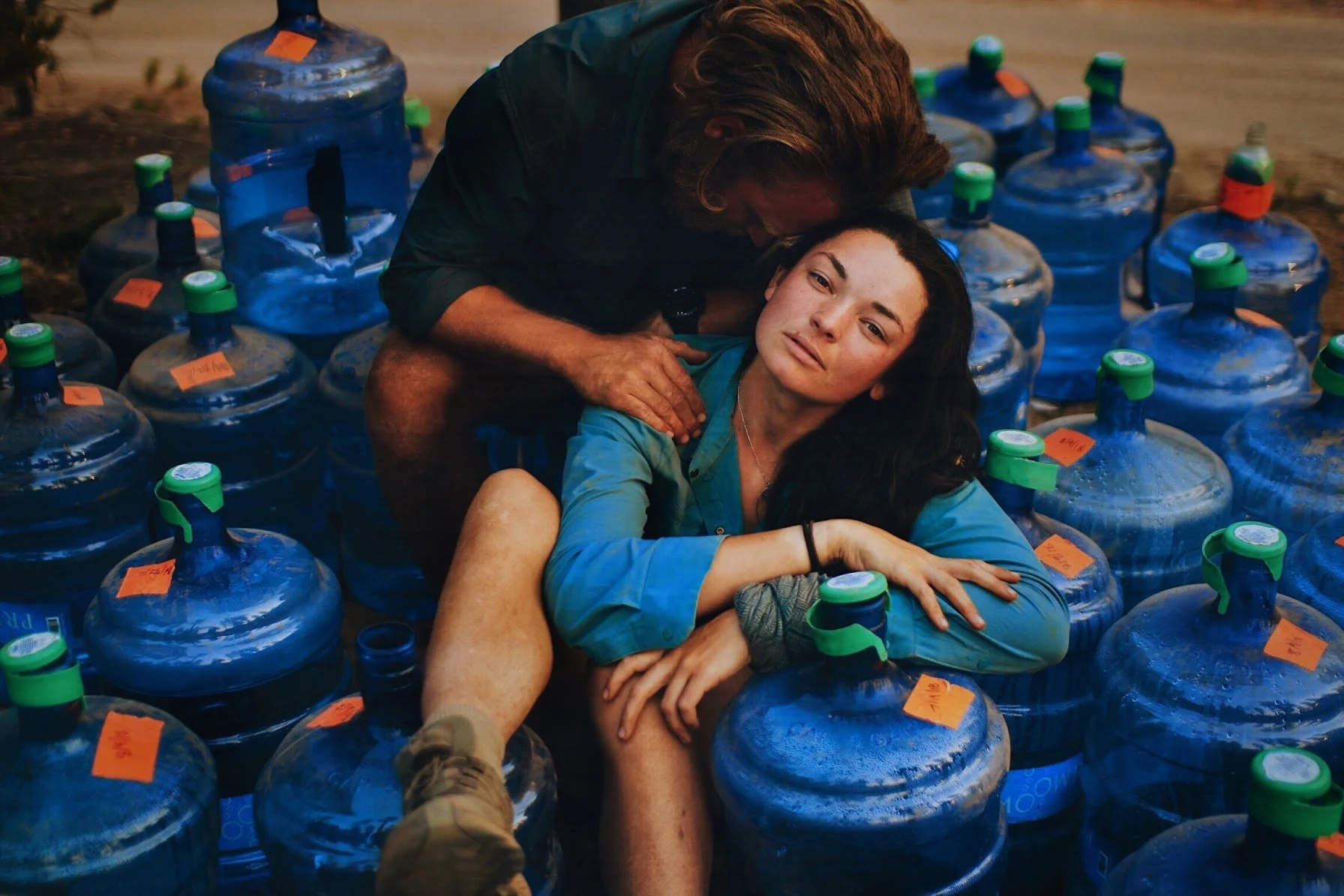
Hikers at a water cache near Crater Lake.
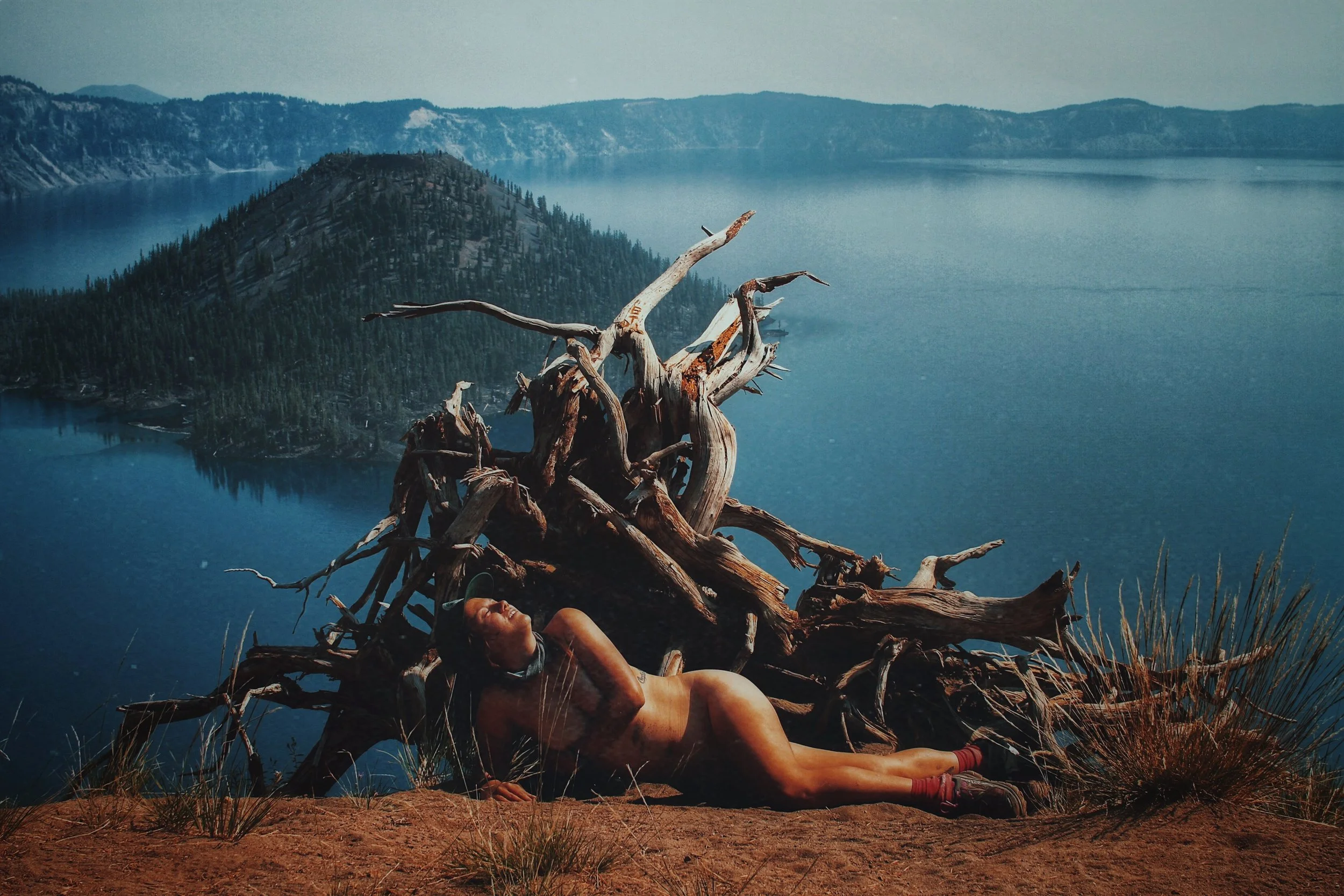
Weezer at Crater Lake.
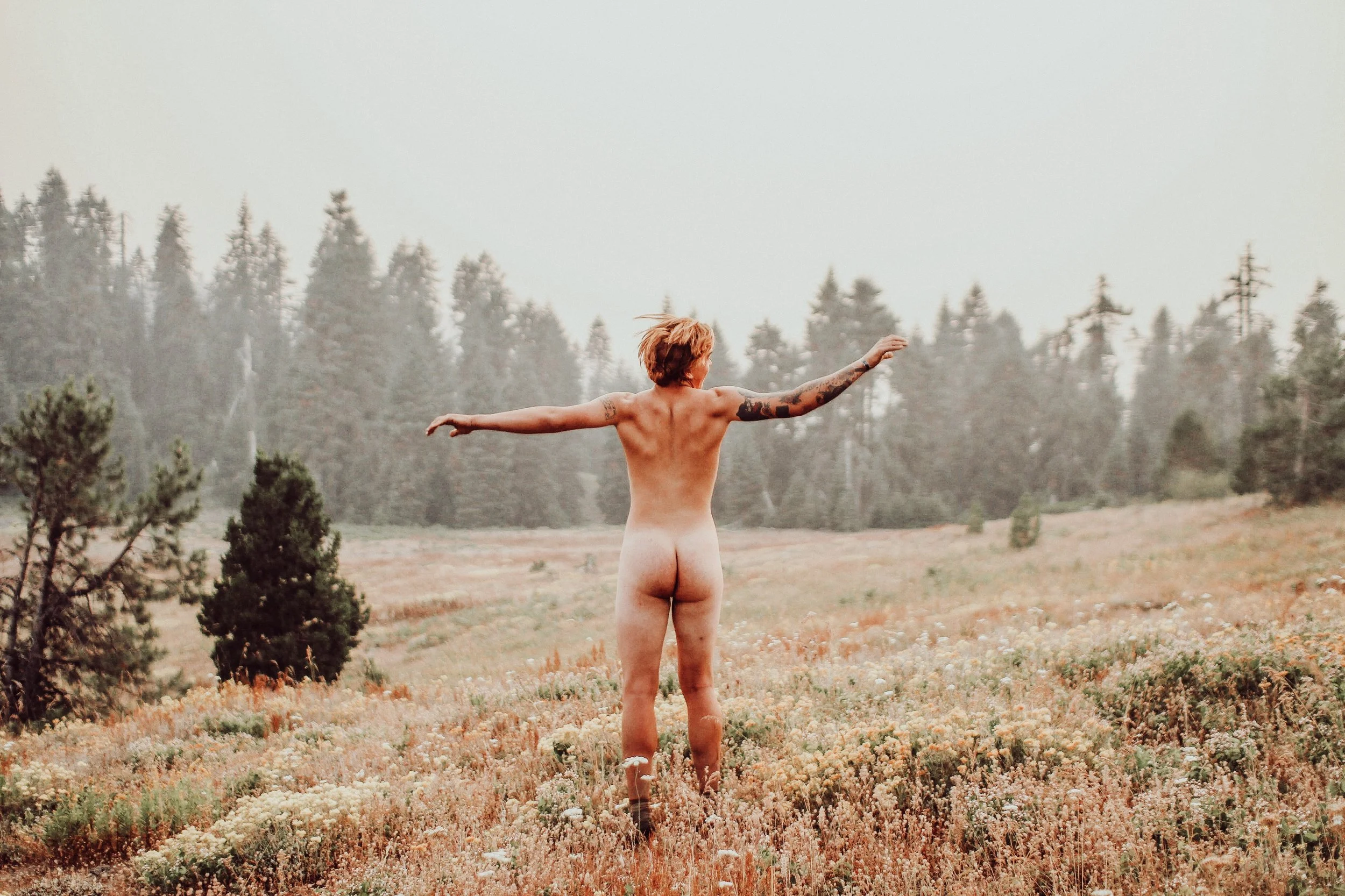
Nick in a meadow near the California/Oregon border.
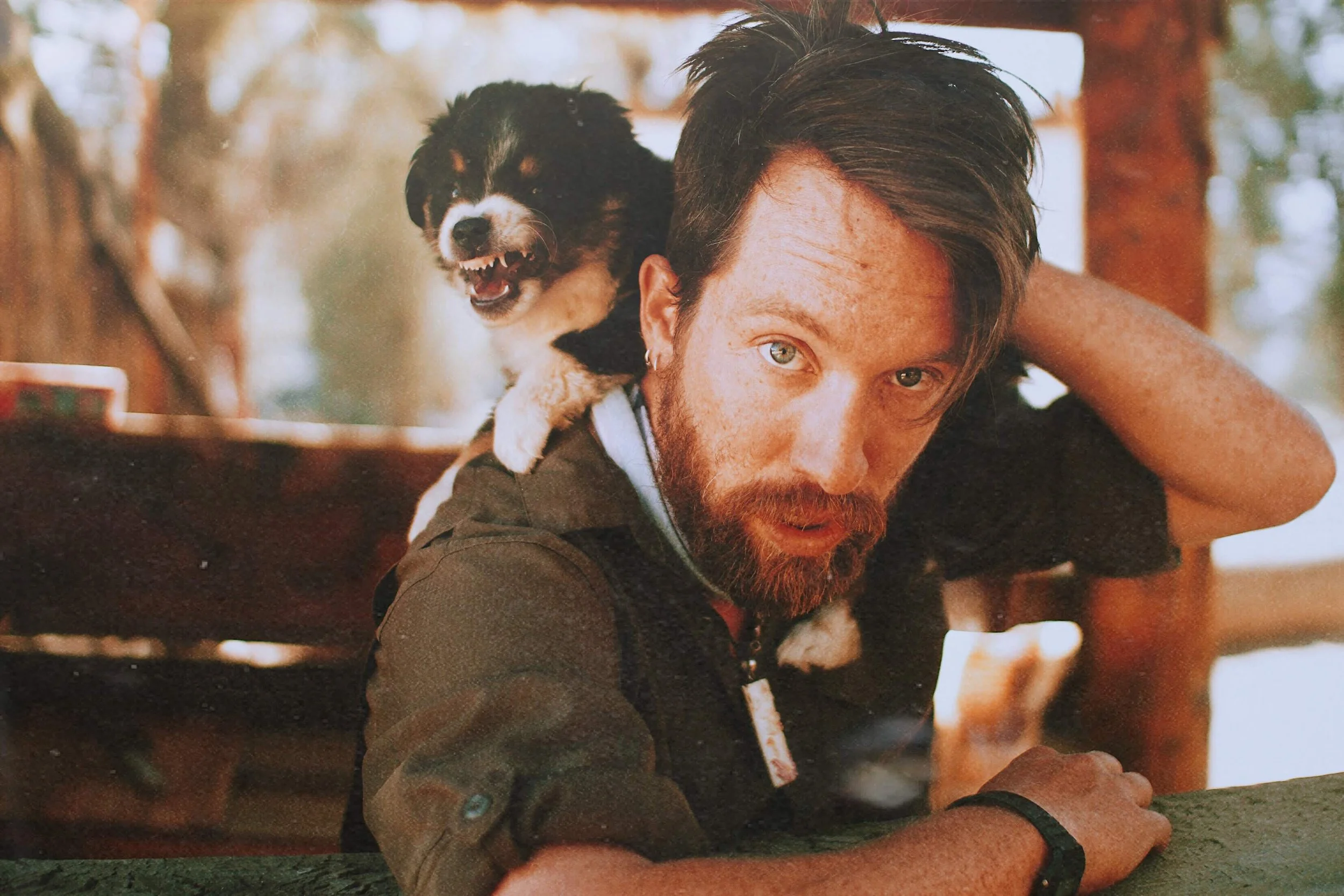
Happy and an angry puppy at Kennedy Meadows General Store.
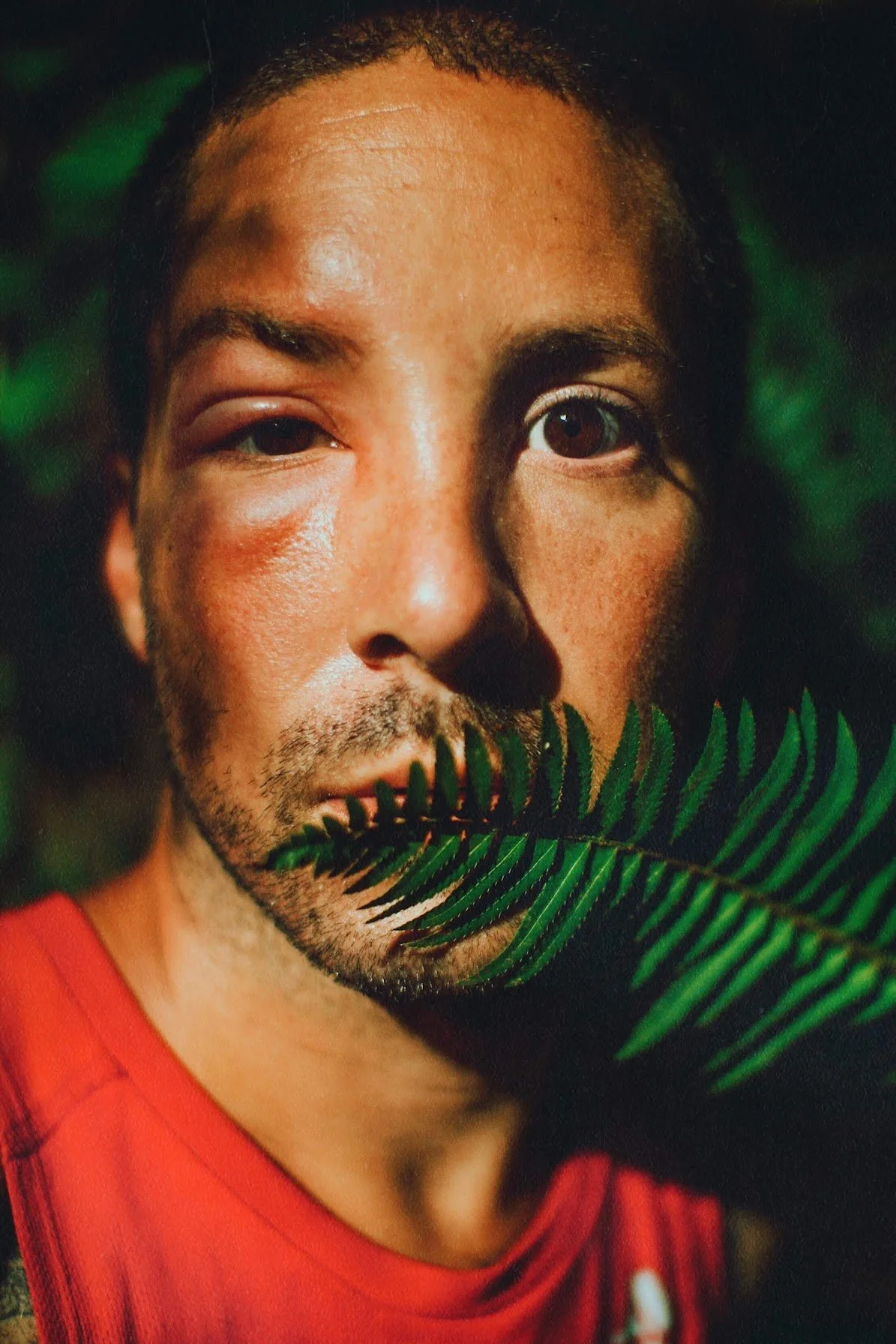
Twerk after getting stung on the eyebrow by a wasp.
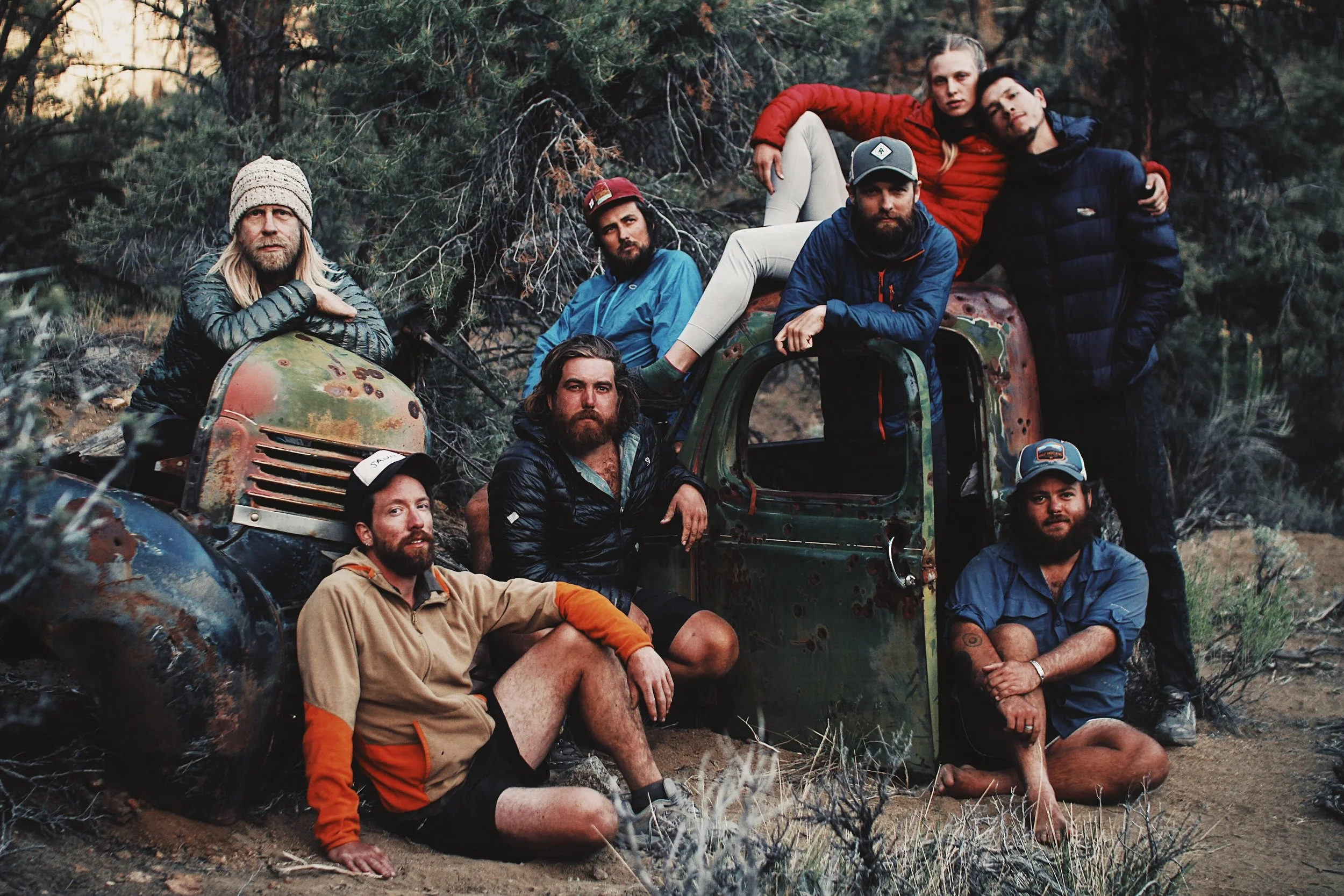
Hikers pose on old abandon car parts in the desert.
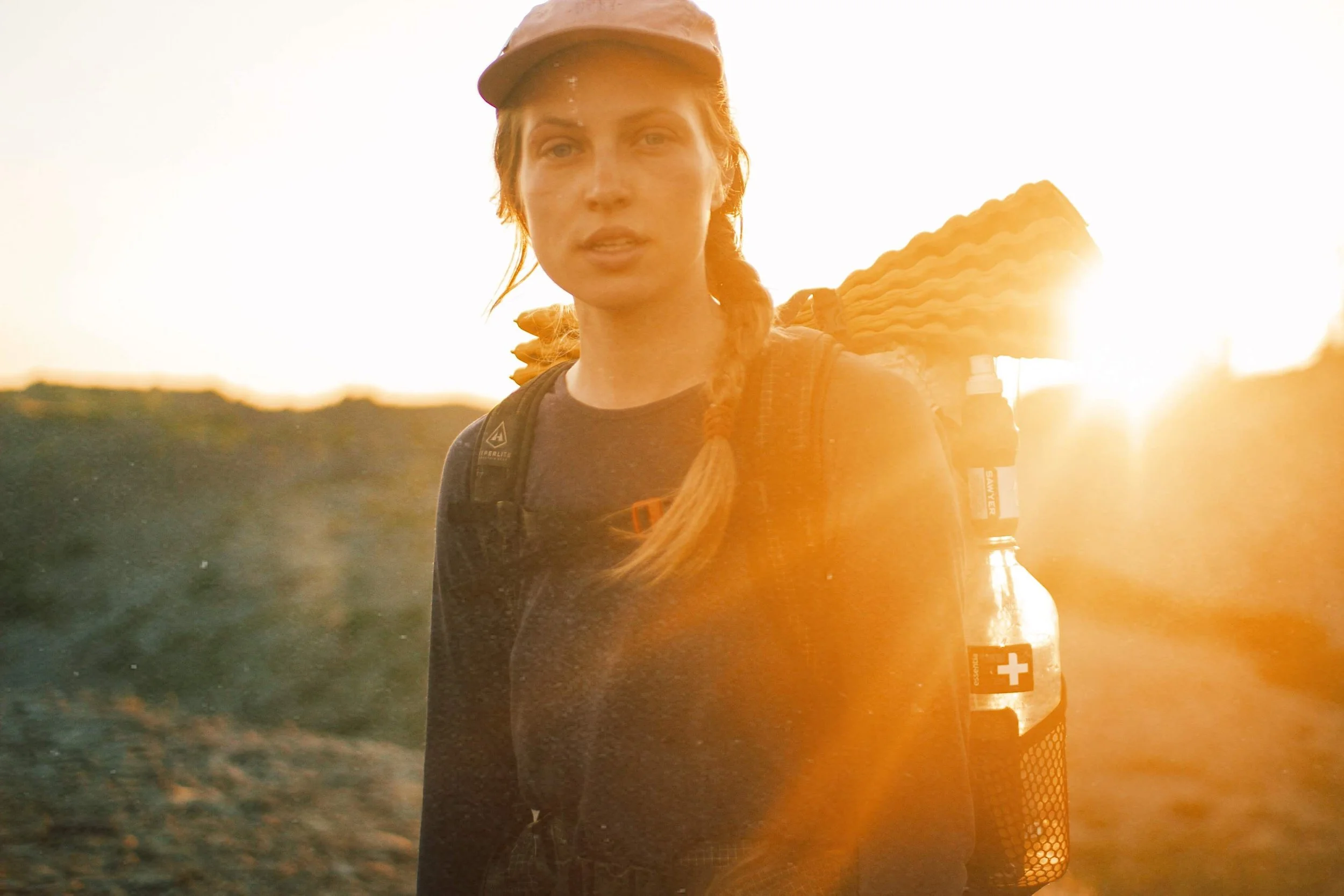
Snocket at sunrise.
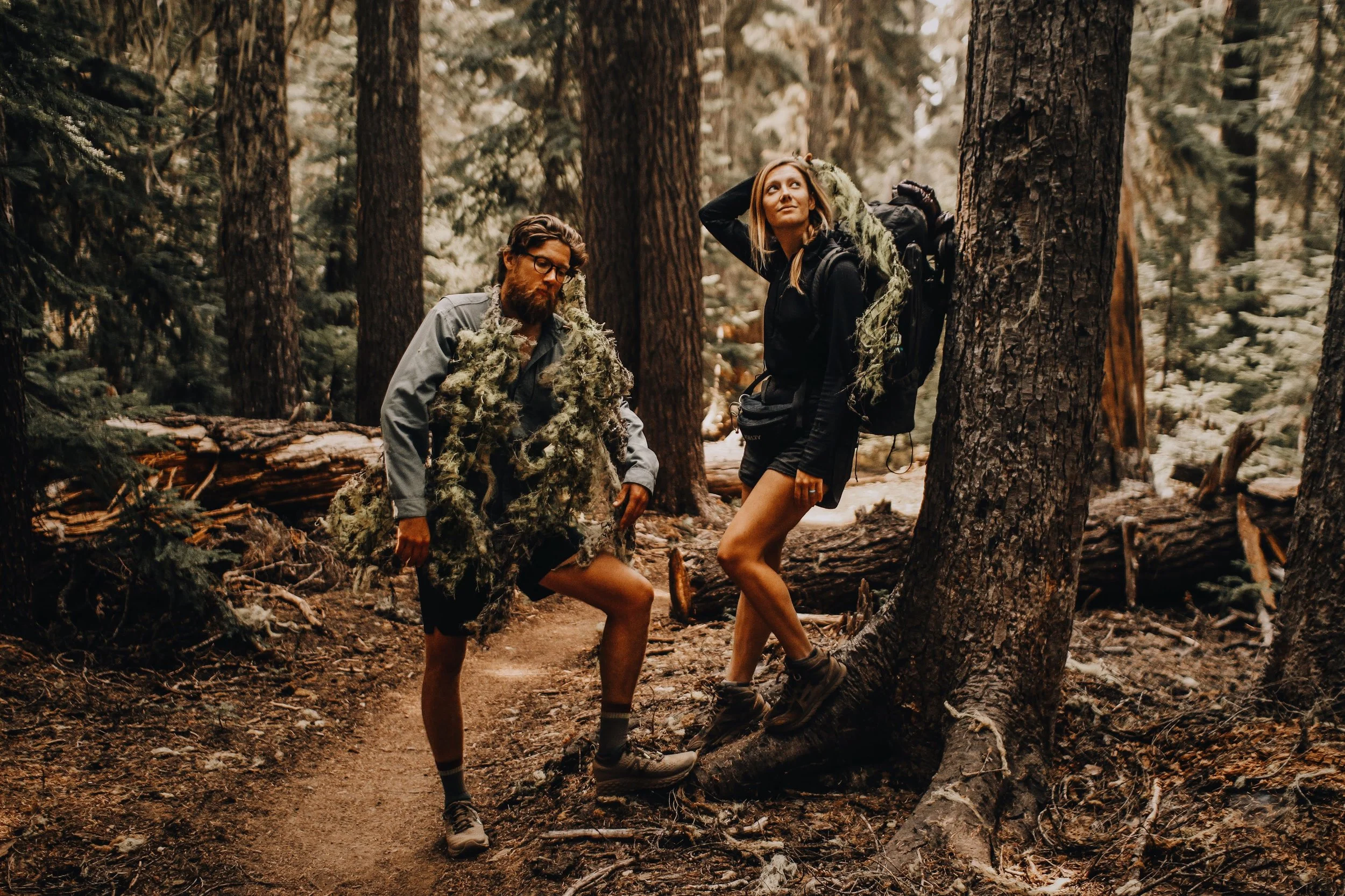
Hikers pose with moss in Oregon.
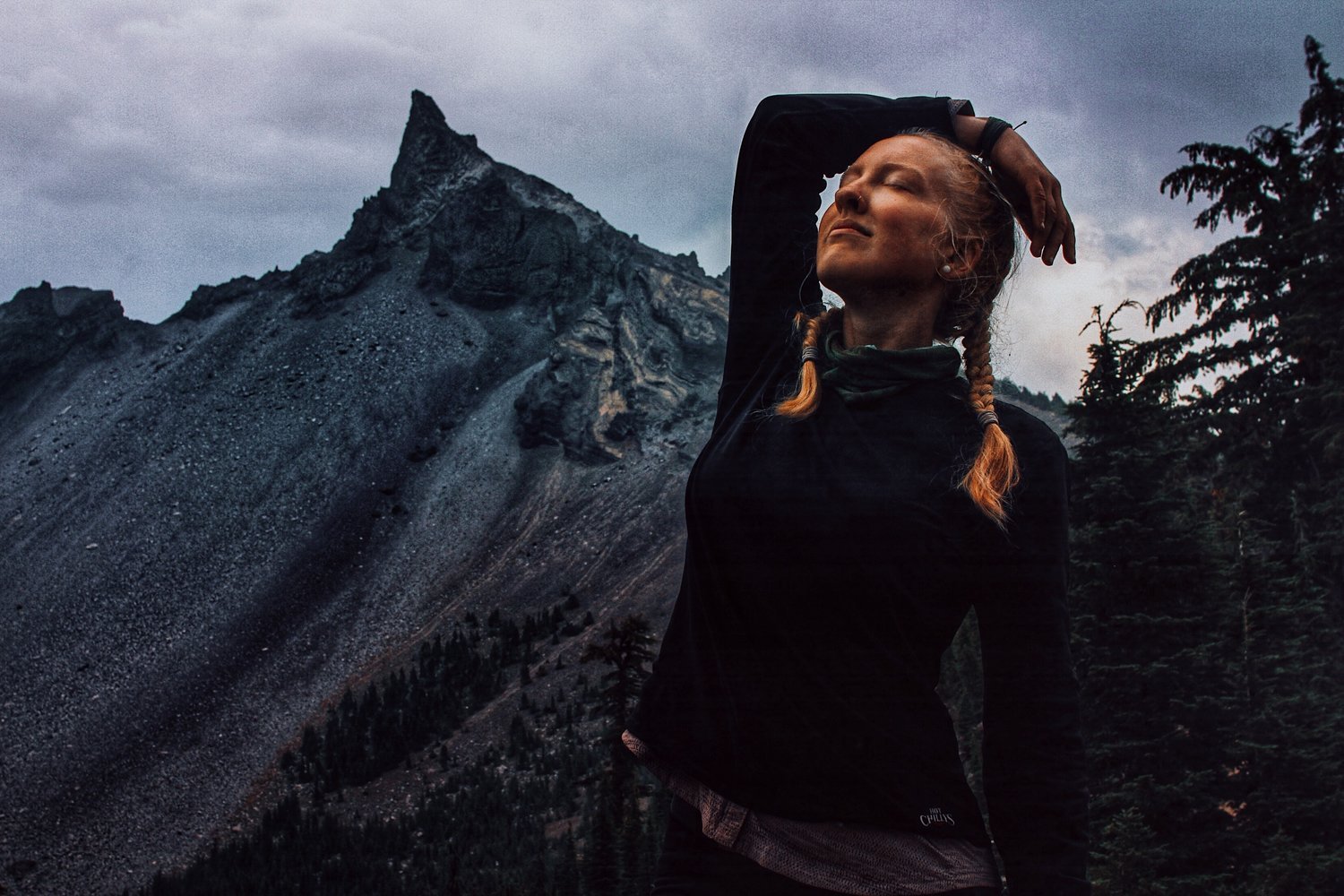
Hiker in front of Mt. Thielsen in Oregon.
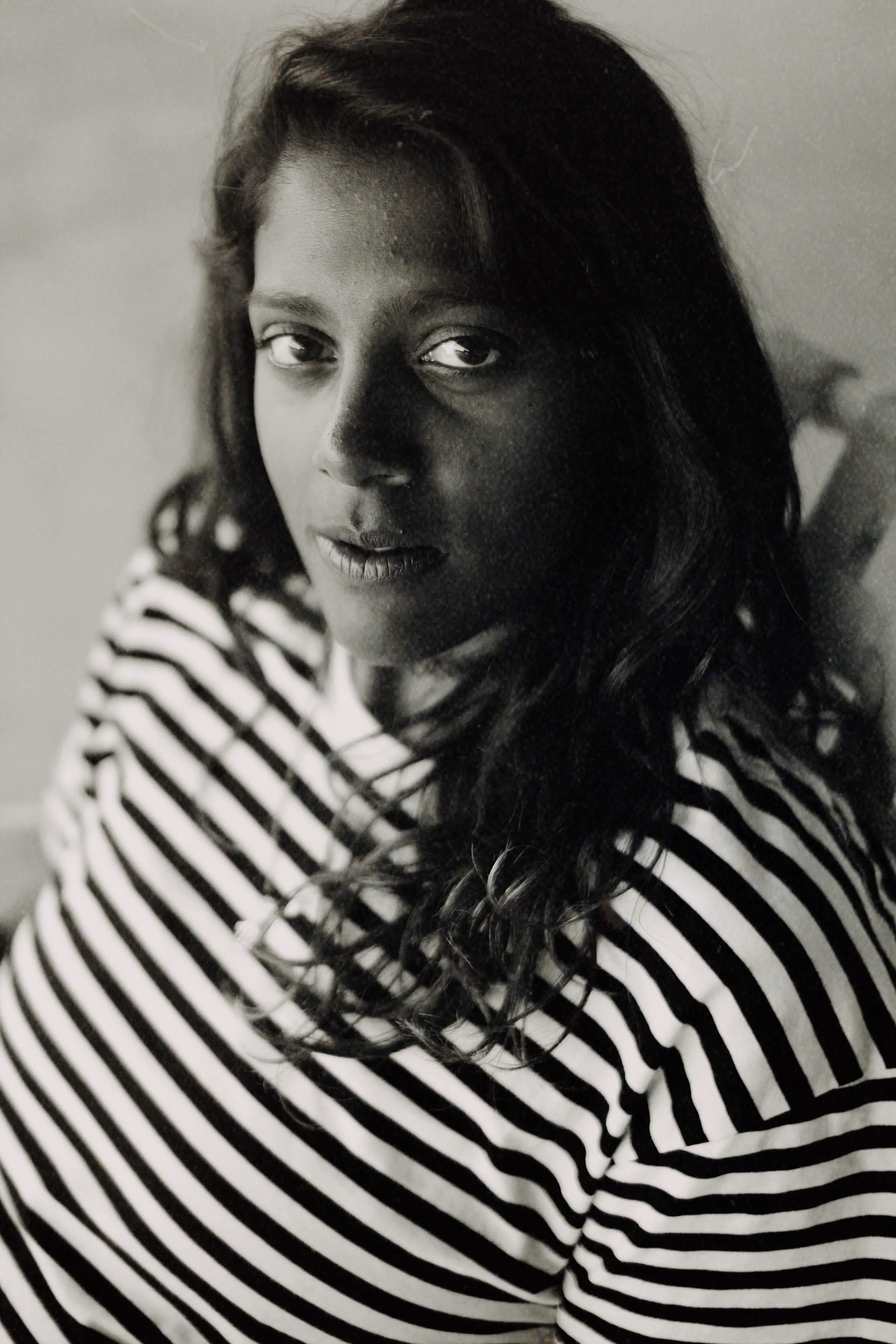
Tahlia in Lake Isabella.
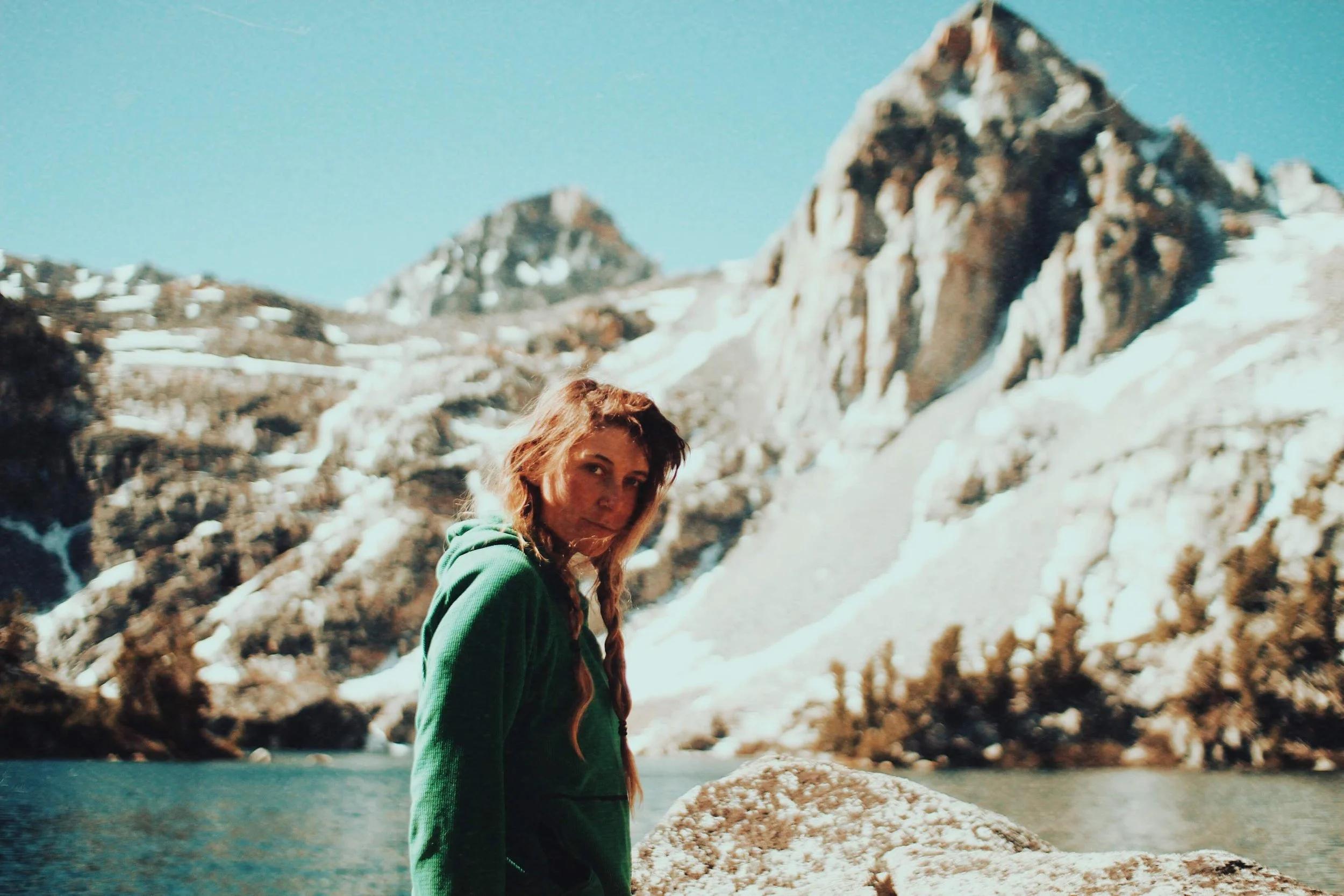
Heaps at Rae Lakes in the Sierra.
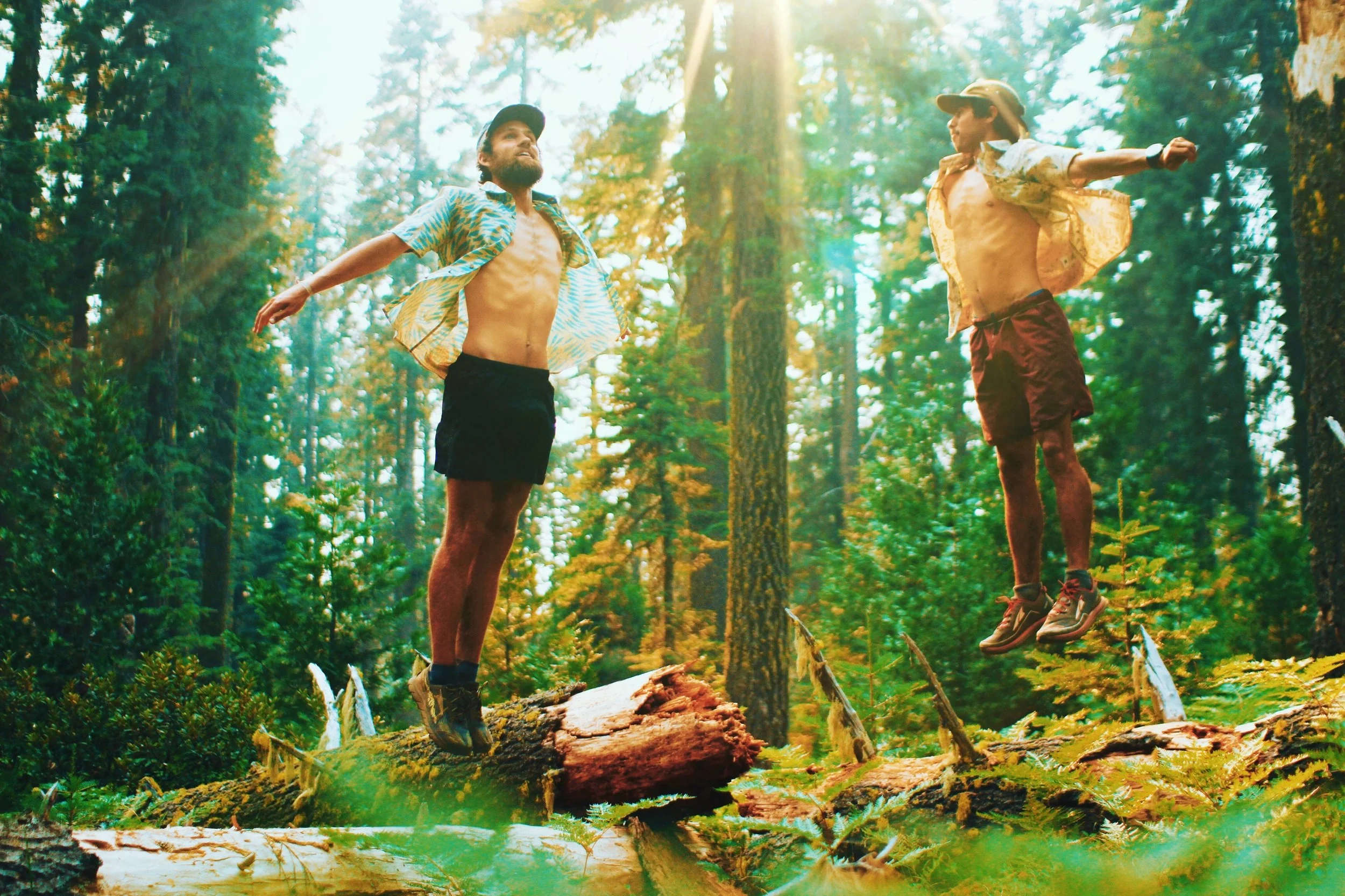
Guumy and Hiker Box jumping in Northern California.
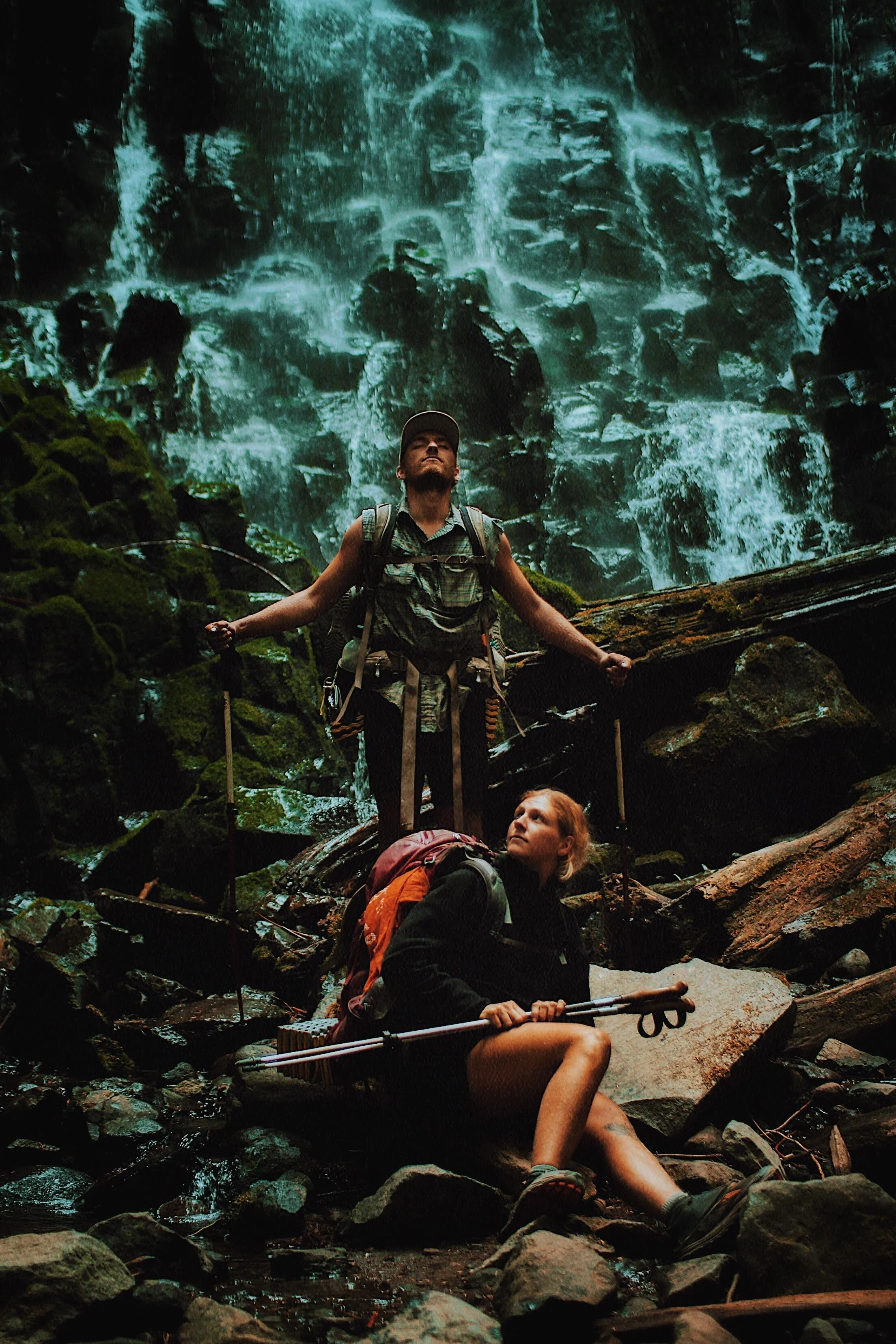
Hikers pose at Ramona Falls in Oregon.
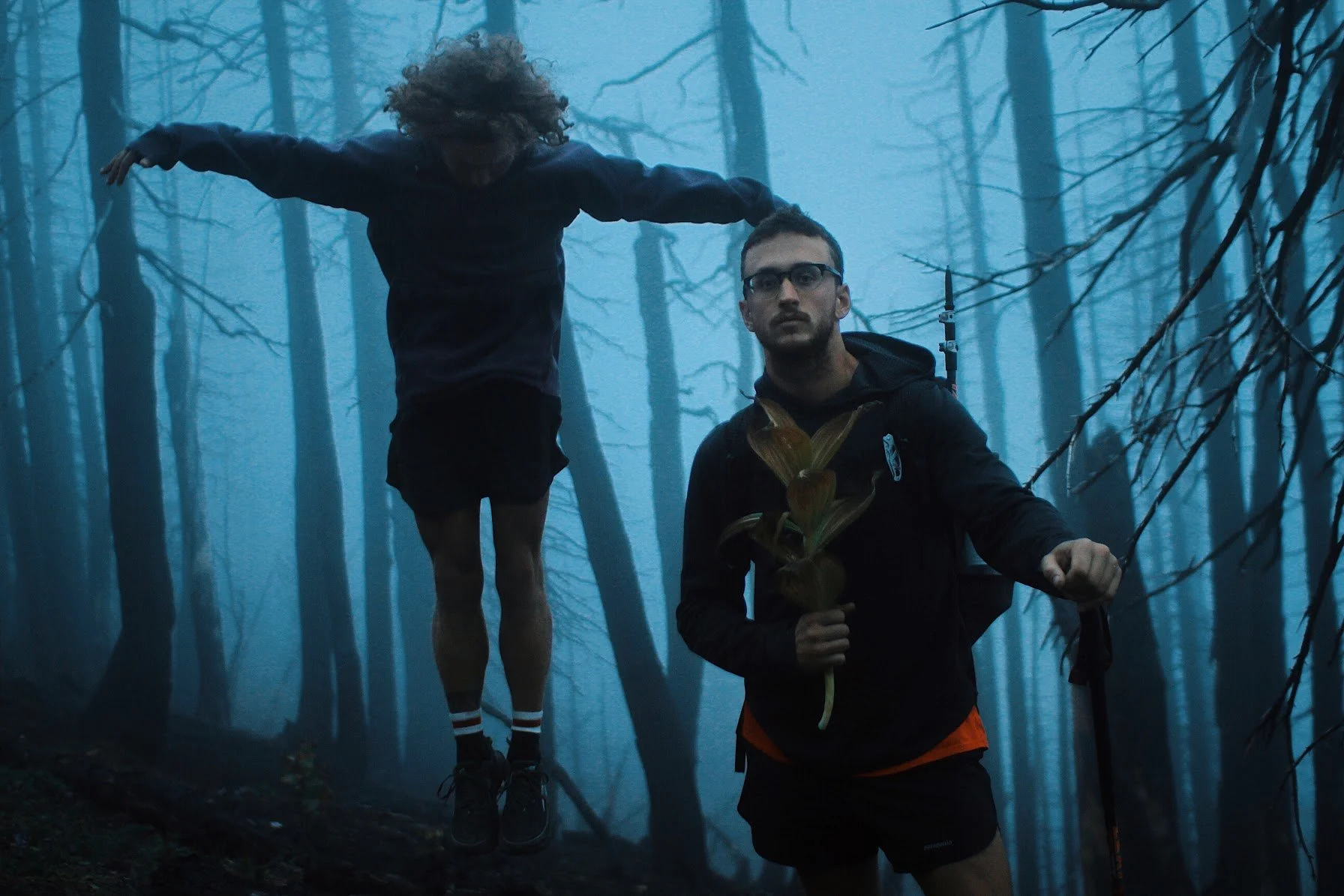
Meech and Hooch in spooky Washington.
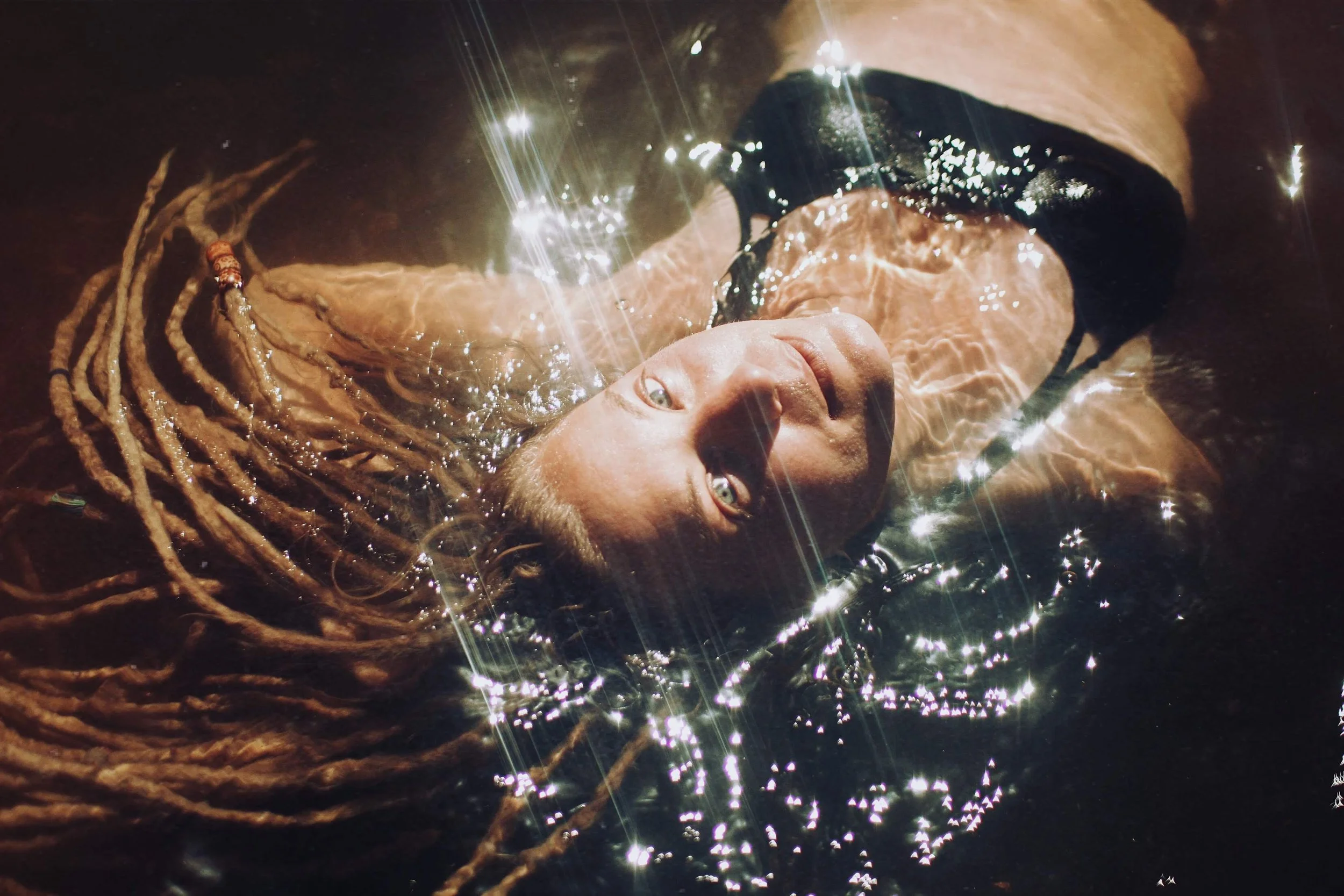
Tumbleweed in the Kern River near Kennedy Meadows.
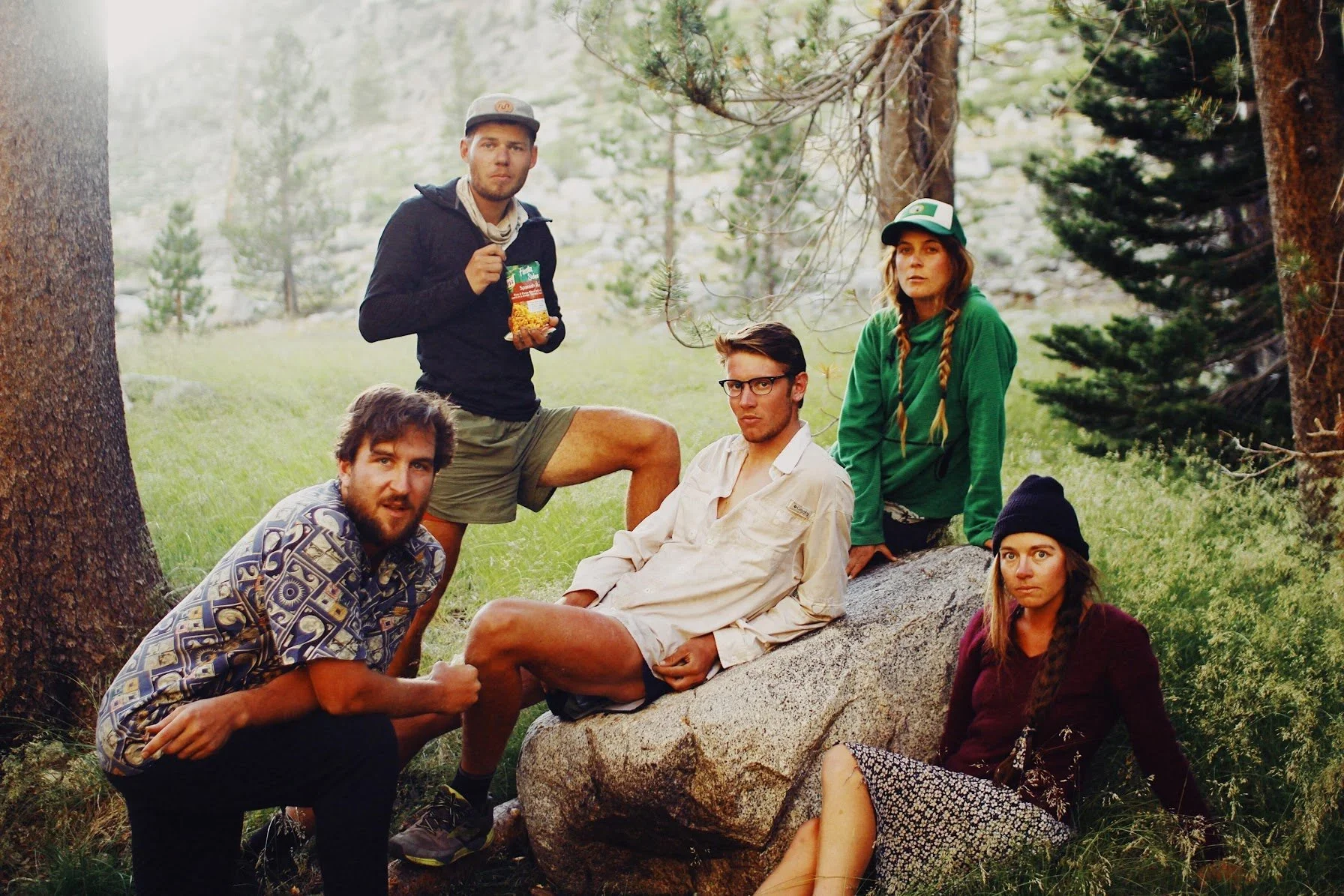
Hikers pose in the Sierra.
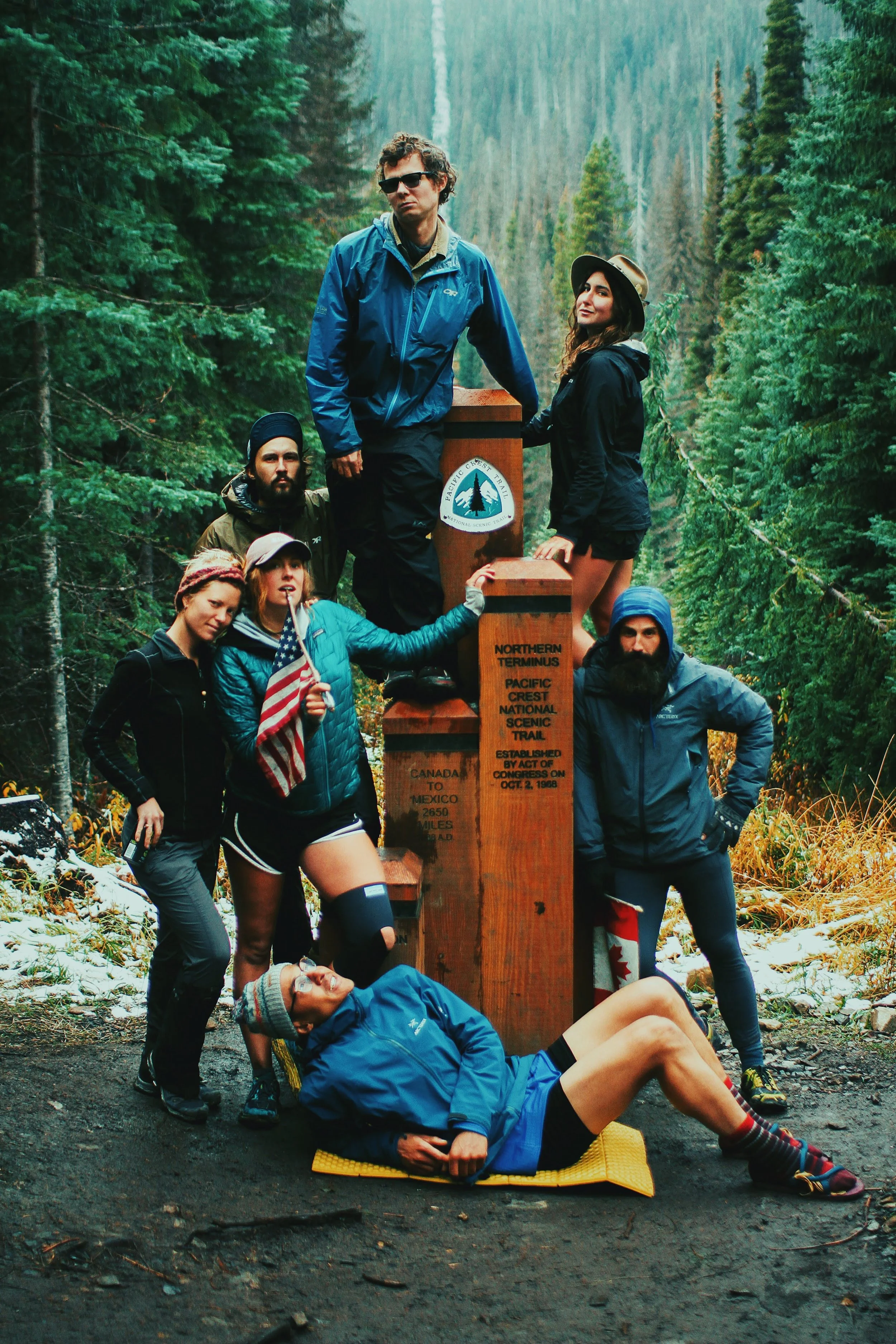
Hikers pose on October 5th at the Northern Terminus.
