How Washington Nonprofit The Bronze Chapter is Helping People of Color Rewrite Their Outdoor Narrative
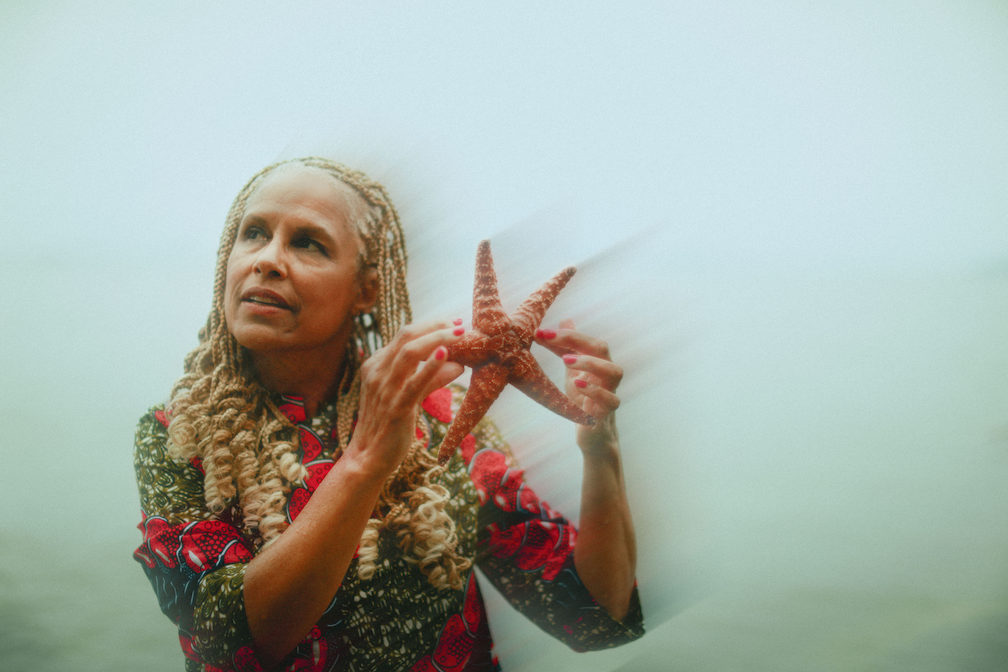
Founded by Denice Rochelle, Washington-based nonprofit The Bronze Chapter is helping families of color rewrite their relationship with nature through trust, skill-sharing, and meaningful time outside—creating space for both children and parents to replace fear with curiosity, confidence, and connection.
Story by Deena ElGenaidi
Photography by Tommy Corey
D
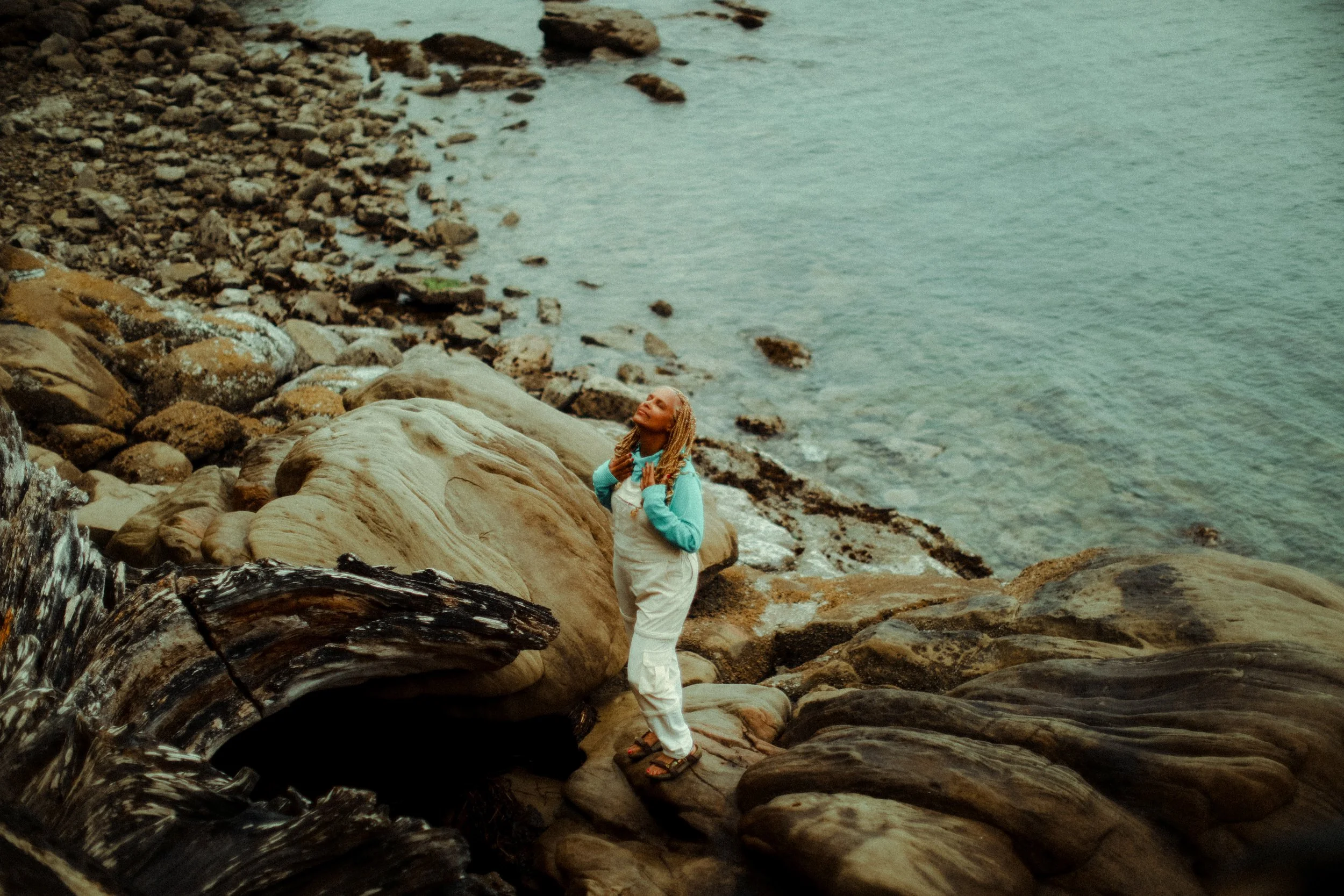
enice Rochelle learned to walk in the ocean. For as long as she could remember, the outdoors have been a part of her life. Growing up in Seattle, Rochelle remembers childhood days swimming, water skiing, fishing, and boating. Her father would tell her stories about scuba diving in the Pacific Northwest seeing all sorts of oceanic wildlife, especially the Giant Pacific octopus. When she was young, she assumed this type of outdoor life was the norm.
As an adult, though, she’s learned that this isn’t the case. Often, Rochelle would find herself to be the only Black woman or person of color in predominantly white spaces–so she’s working to help people build deeper, more confident relationships with the natural world.
Across the country, people of color remain underrepresented among visitors to many public lands and waterways. While people of color make up more than 40% of the U.S. population, the U.S. Forest Service reported that 94.5% of national forest visits between 2018 and 2022 were made by white visitors. A recent U.S. Fish and Wildlife Service survey similarly found that 91% of national wildlife refuge visitors identified as white.
Working to close that gap is Denice Rochelle, the founder and director of The Bronze Chapter, a nonprofit organization based in Washington State that centers people of color, helping them connect more deeply with themselves and the natural world. Her goal is to create pathways for people to feel safe in the outdoors, inspiring curiosity and exploration, while sharing essential skills and knowledge.
“We want to get more people of color into experiencing the beauty of wilderness spaces — land and marine–that can be positively transforming,” says Rochelle. “What we really want to do is help more people see how beautiful the entirety of Washington State is. Encourage folks to explore all the ecosystems and climates. And hopefully they'll fall so in love with this place that they'll want to invest in protecting it.”
In 2018, Rochelle went on a road trip, and after 2,500 miles of travel, she didn’t see a single camper, hiker, or tourist of color on the entire trip. When she returned home, Rochelle went online and began asking affinity groups how there could be thousands of Black and Brown people who loved the outdoors, yet she had never crossed paths with them in the outdoor spaces she visited.
“People started answering, and all of their answers fit into three categories,” says Rochelle. “I don’t have anyone to go with, I don’t have equipment, and I don’t know what to do.”
Rochelle, on the other hand, knew where to start. Drawing on the outdoor skills she learned throughout her lifetime, she began renting campgrounds and teaching others how to feel more capable outside.
“One thing led to another, and the effort grew,” Rochelle says. “That legit is how The Bronze Chapter came to be.”
In founding the organization, Rochelle asked herself, “How can more people of color fall in love with the natural world and then want to protect the lands and waters that hold us? There’s still so few of us in powerful rooms where high-level decisions about funds allocation, management, policy, care, and use are being made.”
“Washington’s beautiful, but people of color tend not to stray far from the urban centers,” says Rochelle. “So we want to help people of color feel safe, comfortable and confident in their outdoor pursuits regardless of where that may be. We want to help people be able to sustain themselves outdoors and overnight.”
Most of the young people that come through the Bronze Chapter did not grow up in the same way Rochelle did. They didn’t grow up with the same outdoor experience or the same “yearning for discovery,” she says. The biggest challenge for her is building their desire to connect with the natural world.
“Washington’s beautiful, but people of color tend not to stray far from the urban centers. So we want to help people of color feel safe, comfortable and confident in their outdoor pursuits regardless of where that may be. We want to help people be able to sustain themselves outdoors and overnight.”
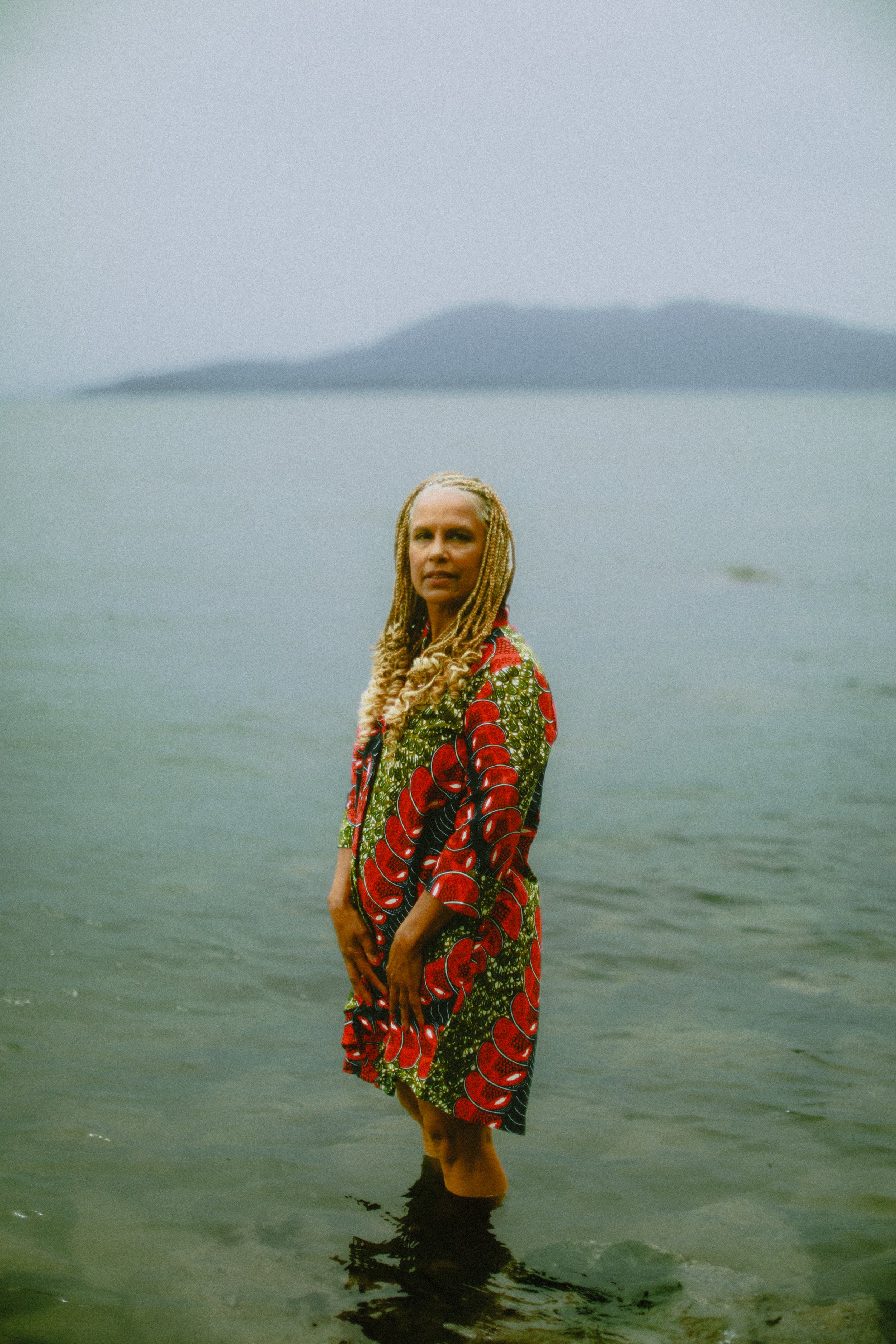
Largely volunteer-run, The Bronze Chapter brings together peer educators who share skills ranging from wilderness first aid and sea kayaking to campfire safety and backpacking. Its programs include wilderness first-aid certification, outdoor safety workshops for women and nonbinary individuals, and beginner-to-intermediate camping education. Additionally, through backpacking excursions at Washington’s coast and mountain ranges, participants gain knowledge and a community to explore with–often alongside water, which Rochelle intentionally incorporates into as many trips as possible.
“Water connections are really important for me to share knowledge about,” she says.
For Rochelle, water has always meant “flow.” It reminds her that everything is always in motion, and nothing is ever static. When she’s feeling down or uncomfortable, water reminds her that the feeling won’t last forever.
“Water’s really powerful in motion, and water holds us,” says Rochelle. “And most life on Earth lives in water, so for me, water is a really hopeful place, and it’s my comfort zone.”
Washington state has an incredible amount of water access, but most people of color in the area don’t have swimming skills. In King County, the rate of preventable drowning deaths among Black Americans released in 2024, was twice as high as the King County average from 2018 to 2022.
For generations, Black Americans were excluded from many public pools and beaches through segregation, discriminatory policies and violence. Although the Civil Rights Act of 1964 outlawed racial discrimination, equal access did not change overnight. The effects of that history remain visible today in disparities in outdoor recreation and access to swimming areas, pools and beaches.
For that reason, Rochelle creates opportunities where people of color can feel more interested and confident in and around water. Through a partnership with the Community Boating Center Bellingham, The Bronze Chapter introduces participants to sailing, sea kayaking and other water-based activities.
The organization also hosts a five-day BIPOC-centered, all inclusive family camp every July. Rochelle describes it as the nation’s only BIPOC-led, BIPOC-centering, intergenerational, all-inclusive sleepover summer camp retreat of its kind. The retreat helps families learn to be outdoors and camp together, and it’s “a stepping stone to traditional tent camping.”
In addition, The Bronze Chapter hosts a BIPOC-centered geology camp retreat where people can learn about Washington’s landscapes. Earth science and geology are the least racially and ethnically diverse of all STEM fields in the U.S. The geology program is led by Nick Zentner, PBS host of Nick on the Rocks, and Dr. Hannah Shamloo, an igneous petrologist and geochemist.
A lot of the time, the organization works with kids and families who have no outdoor knowledge or experience, and The Bronze Chapter is their first bit of exposure to recreating in the natural world.
“Water’s really powerful in motion, and water holds us. And most life on Earth lives in water, so for me, water is a really hopeful place, and it’s my comfort zone.”
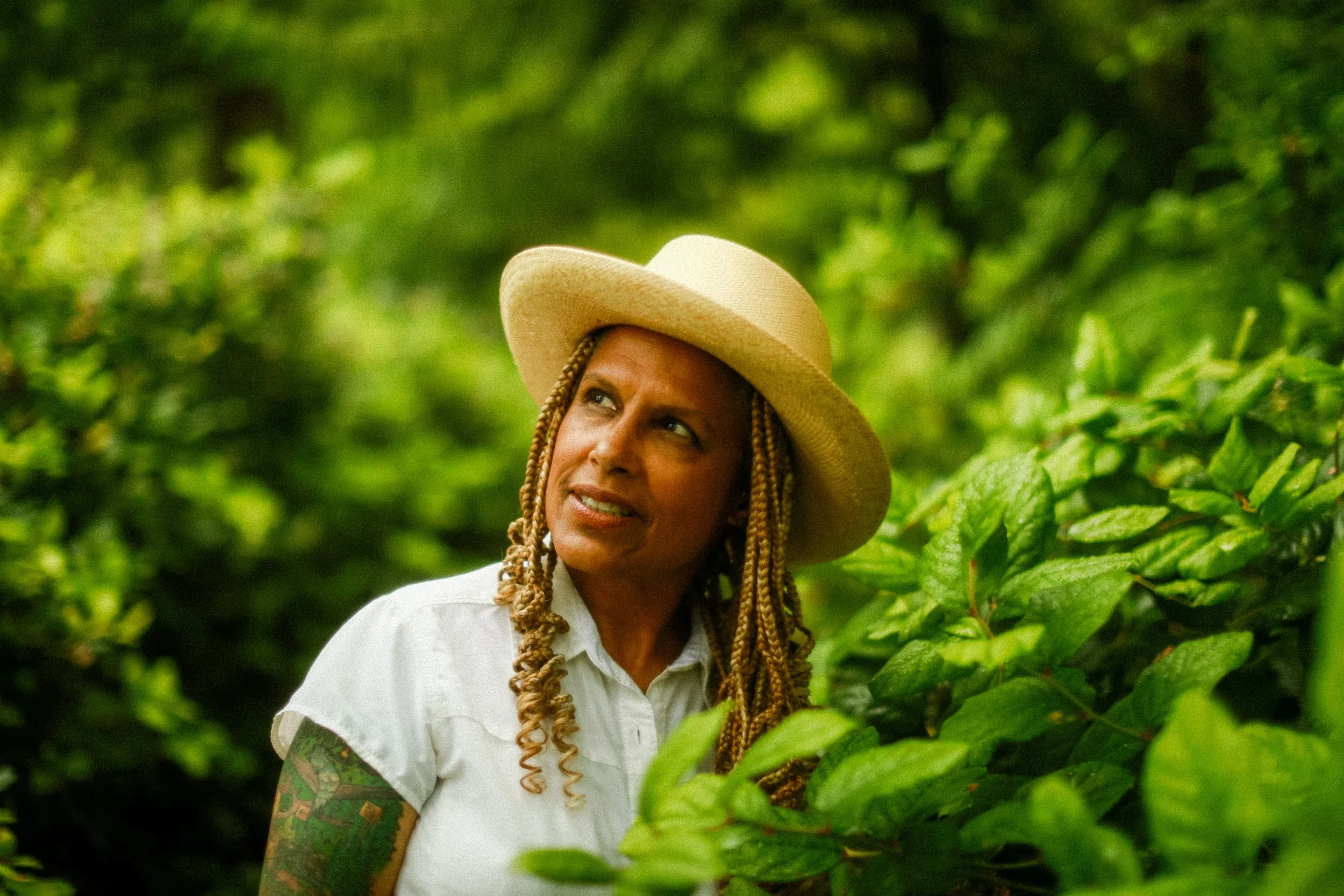
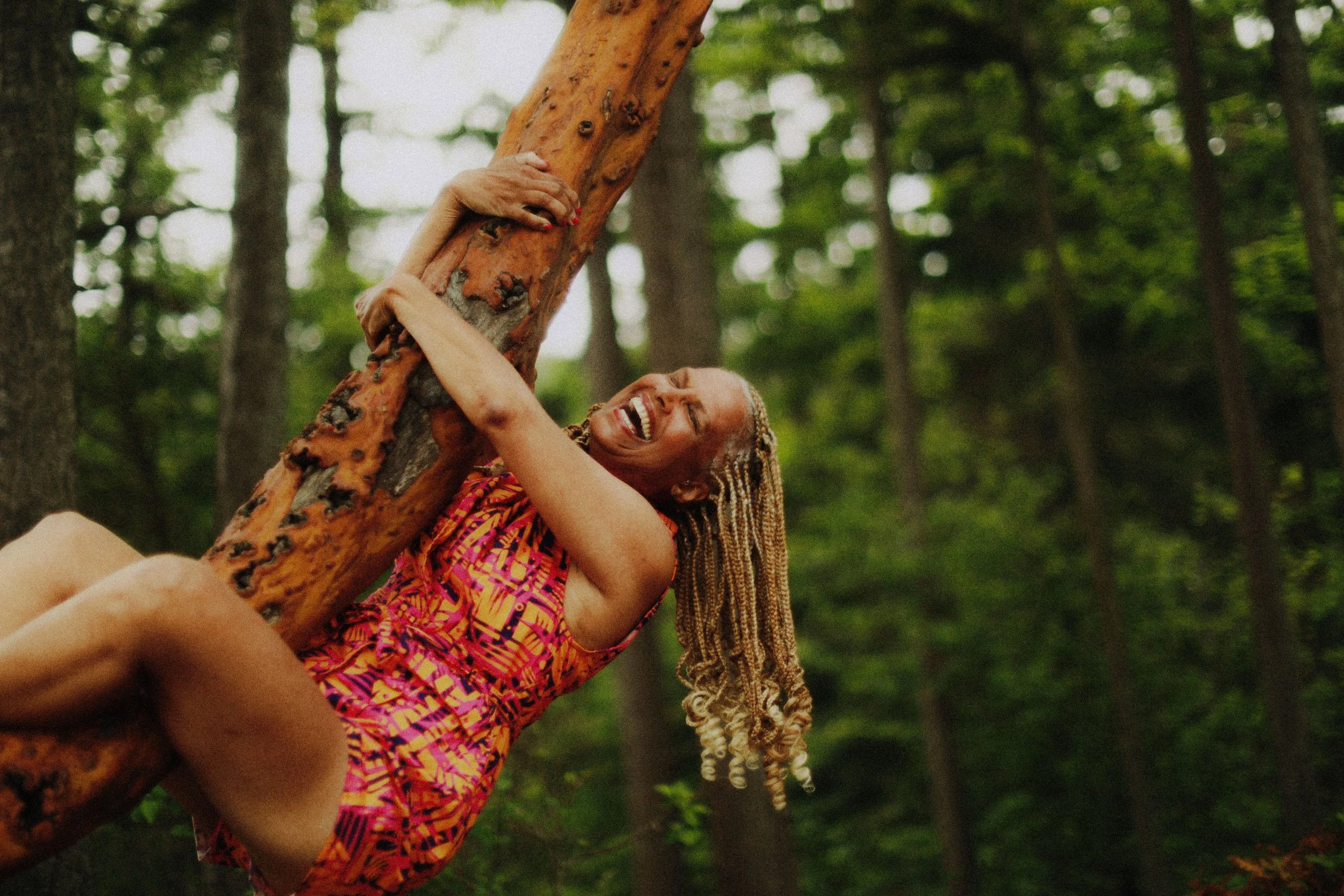
“We can do something that shifts the paradigm,” Rochelle says. “Even if it’s just picking up dirt or looking in water. Or saying, ‘Hey, have you touched this bark before? Did you know how old this tree was? This tree was here with woolly mammoths.’ Just any little thing.”
Rochelle says the most rewarding part of her work is when she sees the sparks in the kids’ eyes as they learn and connect with nature. She loves the curiosity and knowledge that young people come away with after participating in a Bronze Chapter program.
“When I see kids talking about what they learned, or they ask me a question about it later on, it shows me that we’re really on the right track,” Rochelle says. “Because they’re the ones who are going to inherit this space.”
In July, The Bronze Chapter held their annual family camp. A 14-year-old girl, Jayden, came back for the third year in a row. In her first year at the camp, Rochelle says she was hesitant and not speaking, making it difficult to connect with her.
“But something about being in that environment nourished her,” Rochelle says.
Jayden has asked to be brought back to camp every year since, and according to Rochelle, her transformation is incredible. Not only is she talking now, but she participates and plays with the other kids. She signs up for the Talent Optional Show and performs karaoke, and Rochelle describes her now as “pretty fearless.”
“We call Earth home for such a relatively short time. Let’s do what we can while we can to make it better for those coming after us.”
One day, Rochelle took the kids out to Samish Bay. Jayden wanted to come along, despite not knowing how to swim.
“I could tell she was a little hesitant,” Rochelle says. “And other kids could swim, even though they were younger than she was. And I said, ‘Okay, we’ll go out. We’ll be slow. We’re all going to look after each other.’”
Rochelle was teaching the kids to float, encouraging them to let the current carry them but not too far. Jayden said she didn’t know how to float, and Rochelle told her, “It’s the best experience you’ll ever have in your whole life. It just feels so light and free. The sea’s just holding you.” So Jayden wanted to try.
“She was willing to get in the absolutely most vulnerable position a non-swimmer can be in — literally on her back in moving water,” says Rochelle.
Jayden put her trust in Rochelle and the other kids who held her up and allowed her to experience what it felt like to float.
“It was just so cool to see,” says Rochelle. “That’s what holding a space of love and the natural world can do for a girl that wasn’t talking the first year.”
Rochelle also sees a shift happening with the parents who come into The Bronze Chapter. Often, when they see the eagerness their kids begin to have for the outdoors, the parents become more willing to try new things. They’ll take their kids kayaking for the first time, or they’ll plan a camping trip. The parents eventually realize that it’s possible to do these activities with their children without the help of The Bronze Chapter.
“Their kid helped them do that,” Rochelle says. “Our engagement with their kid helped them do that. What they saw helped them do that. They had some representation that helped them do that, and now that shift has happened.”
Rochelle says we “plant little seeds” so that what these parents and children were once fearful of becomes a fascination. Through The Bronze Chapter, people can “rewrite their outdoor narratives.”
Rochelle wants, above all, to get more people of color into nature mindfully, skillfully, confidently, and comfortably. “There’s studies that show that being in nature changes us at a cellular level,” she says. When Rochelle interacts with the parents and kids who come into The Bronze Chapter organization, she notices that they’re more relaxed and open to engaging with others the more time they spend in nature and the natural world. People become more compassionate, she says.
“We call Earth home for such a relatively short time,” says Rochelle. “Let’s do what we can while we can to make it better for those coming after us.”