The Quiet Afterlife of Art
For a New York taxidermist, preserving animals isn’t about conquering death—it’s about understanding it, honoring it, and finding beauty in what remains.
Story by Divya Anantharaman
Story by Tommy Corey
Sponsored by XYZ
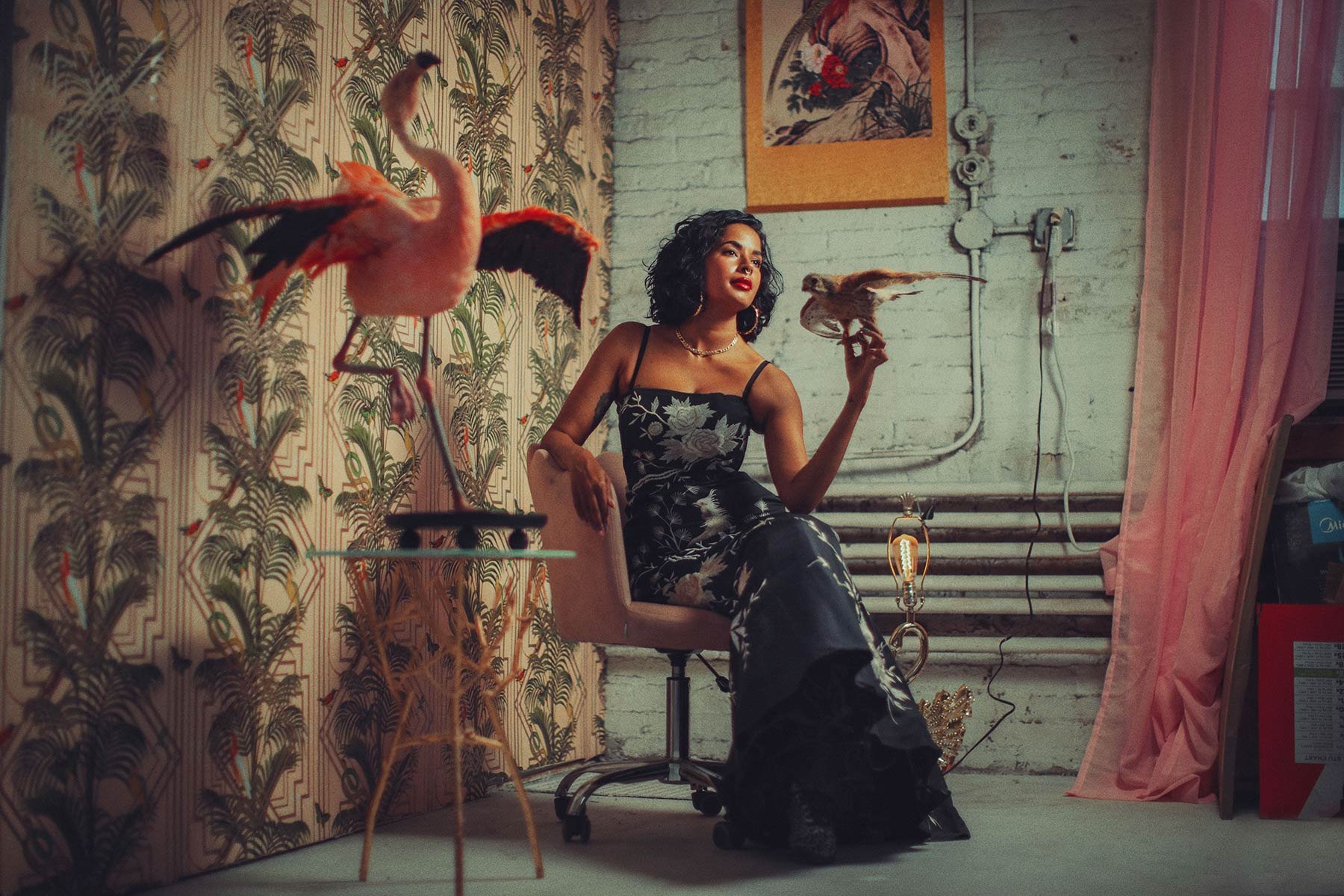
In a 2011 Lady Gaga interview with MTV, the interviewer asked her a rapid-fire question: "If you could do something dangerous just once with no risk, what would you do?"
Her answer, quick and terse, was to "die."
As a taxidermist, I find this answer both fascinating and valid. I think, given the choice to experience something without the repercussions, most people would choose death - if not at the very least to answer all of life's eternal questions: What is it like to die? What does it mean? If we were to be able to return from death, would it be more or less scary?
My father's passing during my senior year of college in 2005 marked a significant moment of loss. The impact deepened a few years later, in 2008 when I tragically lost my best friend to suicide. These profound absences in my life compelled me to reassess my relationship with death, prompting introspection and influencing not only my personal but also my professional passion in taxidermy.

As a child of Indian immigrants, I have recognized how ancestral rituals, traditions, or funerary rights often get diluted or discarded, a survival mechanism amid a society built from colonization. The distance we maintain from our demise, especially in Western culture, can be influenced by the necessity for cultural assimilation.
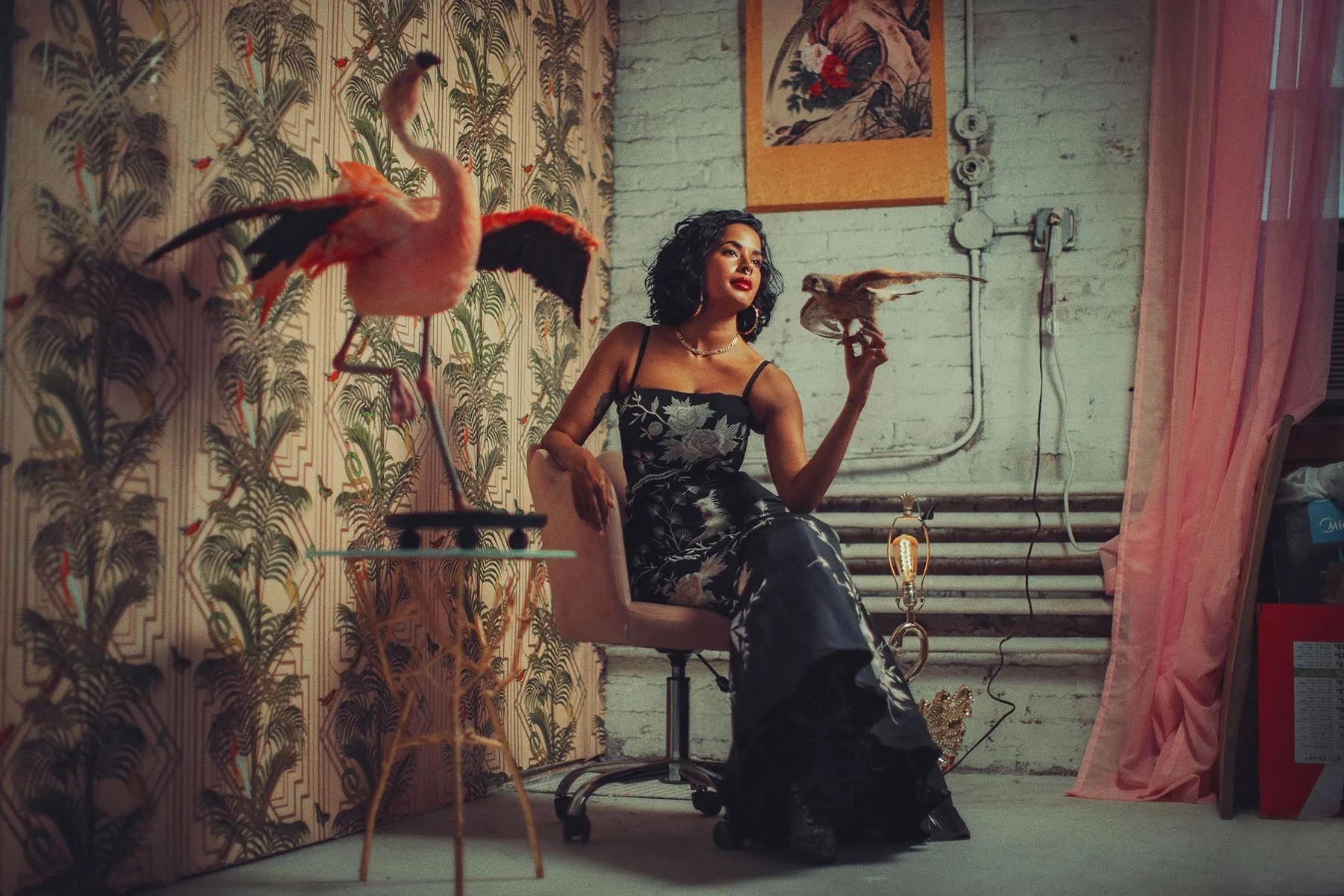
Living in New York City, I have a unique way of connecting with animals, primarily birds, that isn't feasible with live creatures due to practicality and ethics. Working with these delicate creatures opens up a softness, tenderness, and vulnerability with nature, producing a less burdensome acceptance of my mortality.
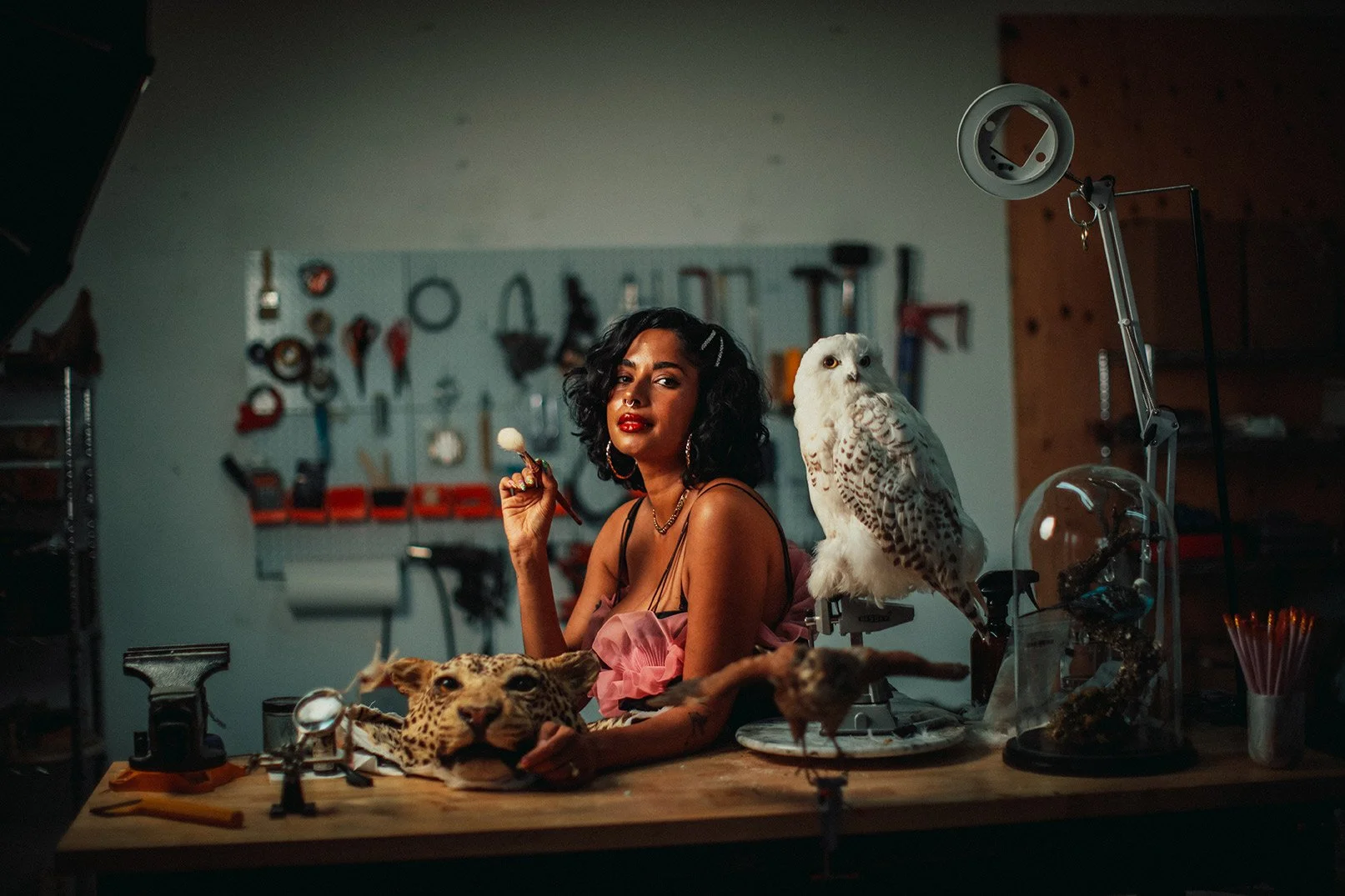
Taxidermy is a meticulous process. It involves many intricacies, like skinning the animal, ensuring precision to avoid imperfections, thorough cleaning, tanning, injecting preservatives, posing, and the subsequent drying phase, creating layers of complexity. It's a comprehensive procedure that demands attention to detail and craftsmanship. Yet, some nuances lie beyond the technical aspects.
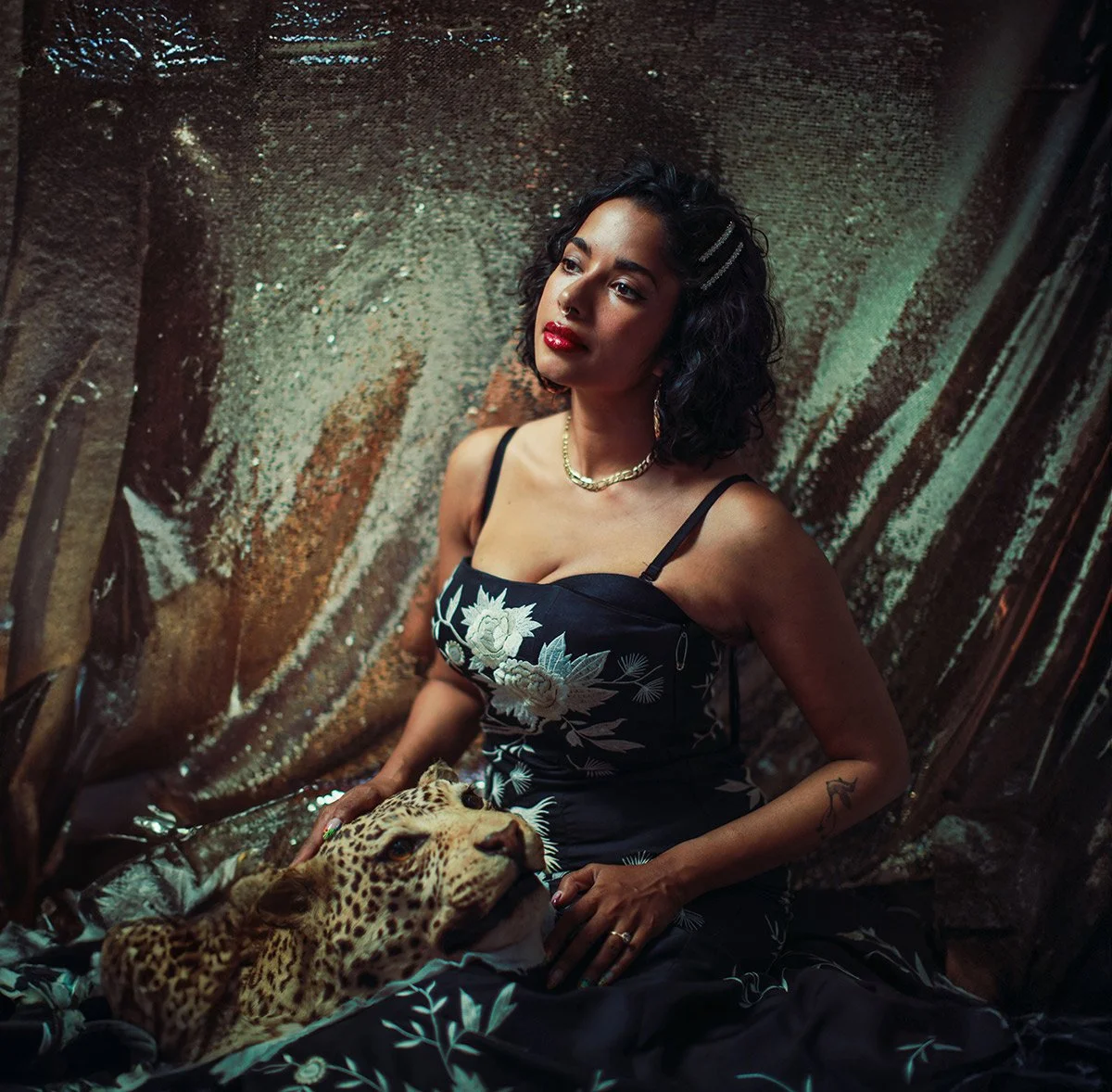
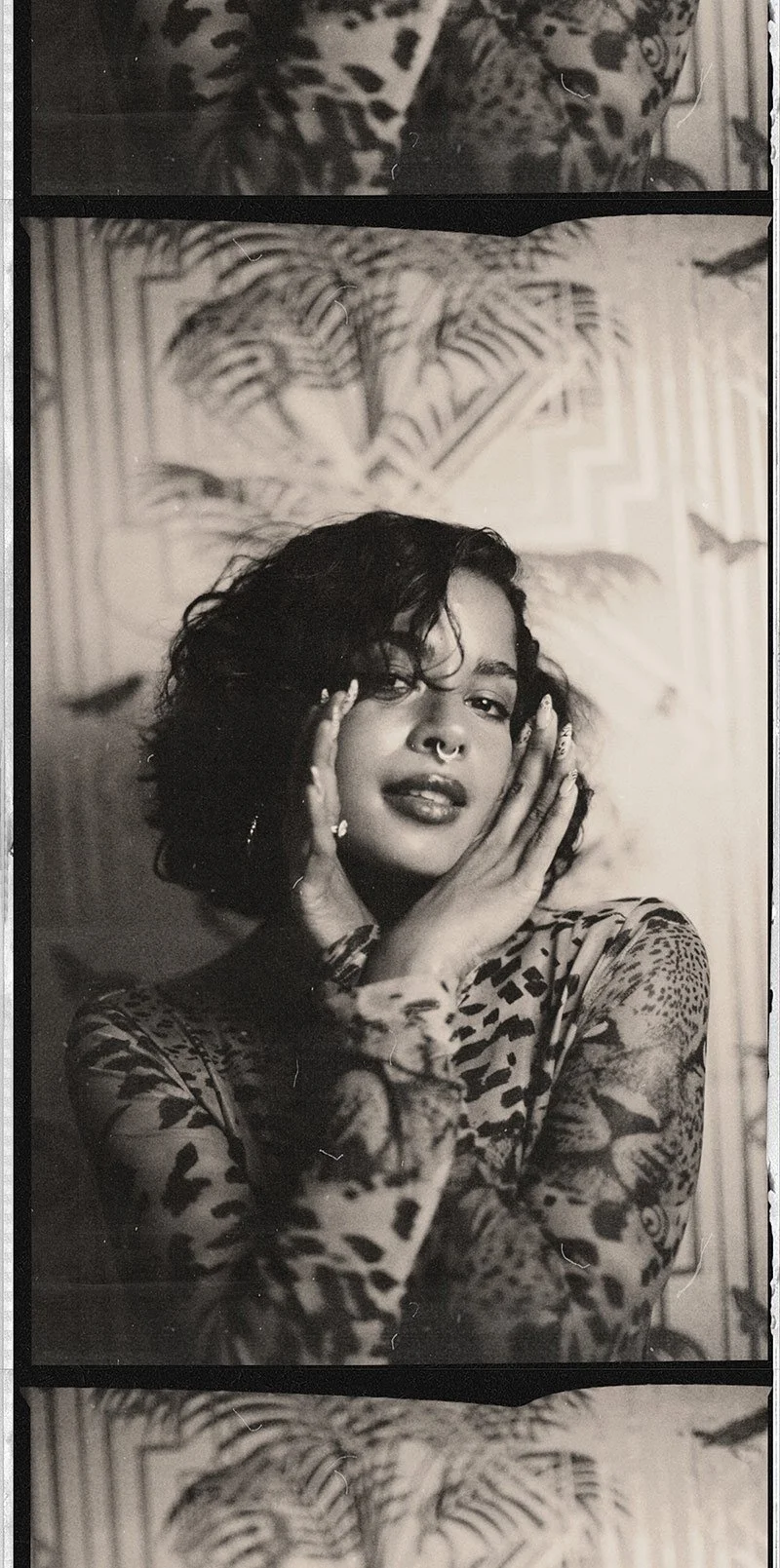
The misconceptions of this profession imply that we physically remove animals from their ecosystem to be placed on a shelf in someone's home. It's quite the contrary; most of the animals I preserve are ethically sourced and naturally deceased from old age, sickness or other ways that aren't a subjugation by humans. I find it crucial to establish a clear distinction in my work—I'm not asserting superiority over these animals; instead, I am creating proximity to nature that humans can't always access by preserving the animal's essence.
However, when you think about it, many things we do in art involve extracting elements from nature. It's like questioning where the minerals in paint or the canvas made from a plant came from. All living things contribute to art, and taxidermy, in a way, keeps a small part of the animals that have passed away. While resurging every animal is impractical, there's a balance, and taxidermy is another way for me to care for and connect with nature.
We are not encouraged to talk about death, to explore it, nor to allow ourselves to sit in our grief for too long. The reality is that death is ceaseless, grief fades slowly, and we are powerless to the manner and timing of all of its certainty. Death is indisputably part of our human existence, and embracing it can connect us deeper with our integral role on the planet and its beauty. Taxidermy, for me, isn't a way of avoiding or glorifying death but rather immortalizing creatures that once existed in a physical form and preserving them in death to commemorate their existence in an exquisite exhibition of Mother Nature.
Keep Reading