The Inheritance of the Land
How Brandon Dale is creating space for the next generation of hunters and conservationists
Story by Tommy Corey
Photography by Tommy Corey
Sponsored by XYZ
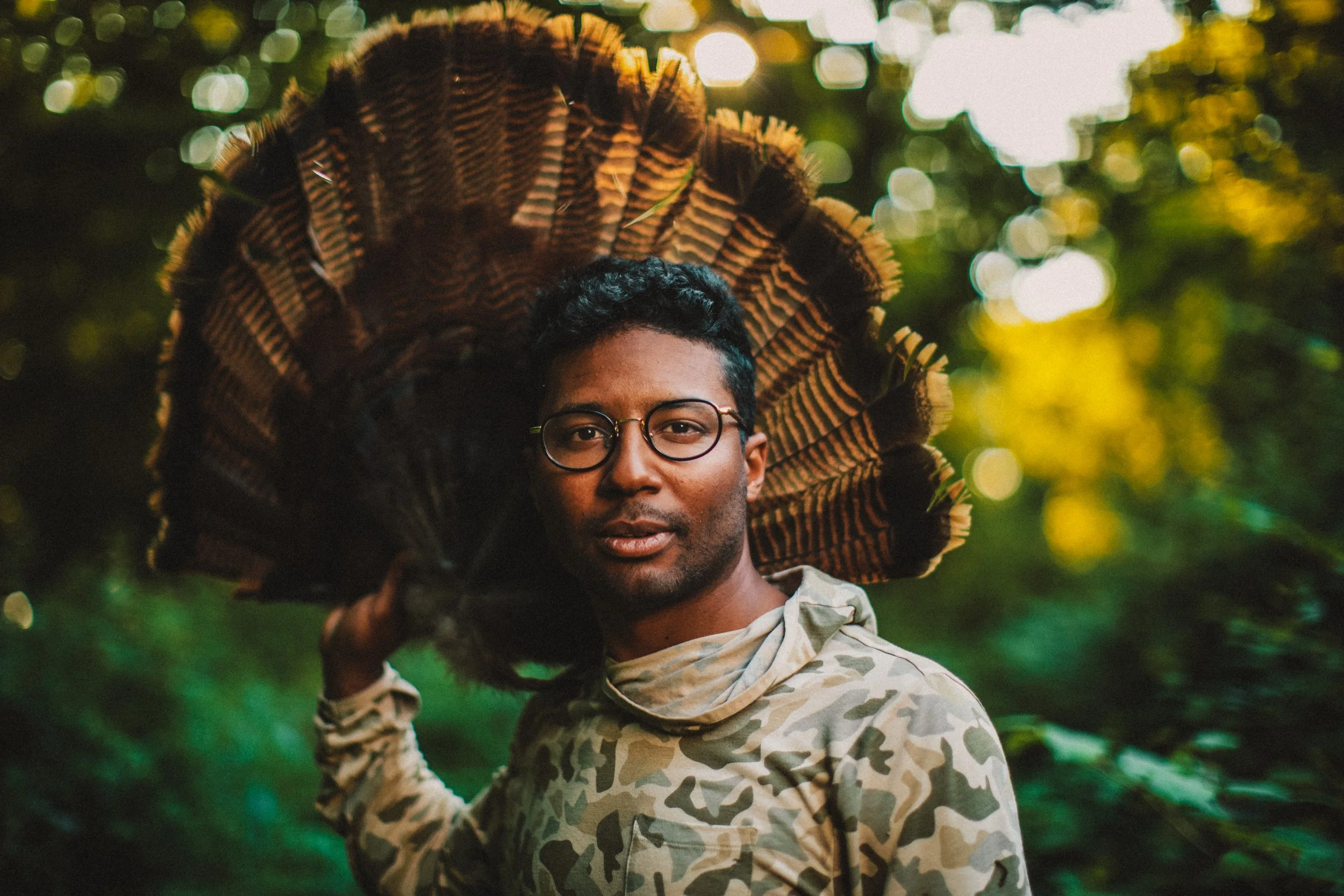
Brandon Dale grew up in Louisiana, in a family where the outdoors was simply part of life. His roots in that world ran deep—an uncle who worked as a game warden, grandfathers who farmed the land, and a mother who made sure that he and his brother experienced the joys of hunting, fishing, and camping from a young age. Being outside wasn’t framed as recreation so much as a way of understanding the world around them.
“Growing up in Louisiana, I was fortunate to be surrounded by a family deeply connected to a lifestyle in which you live in reciprocity with the land.”
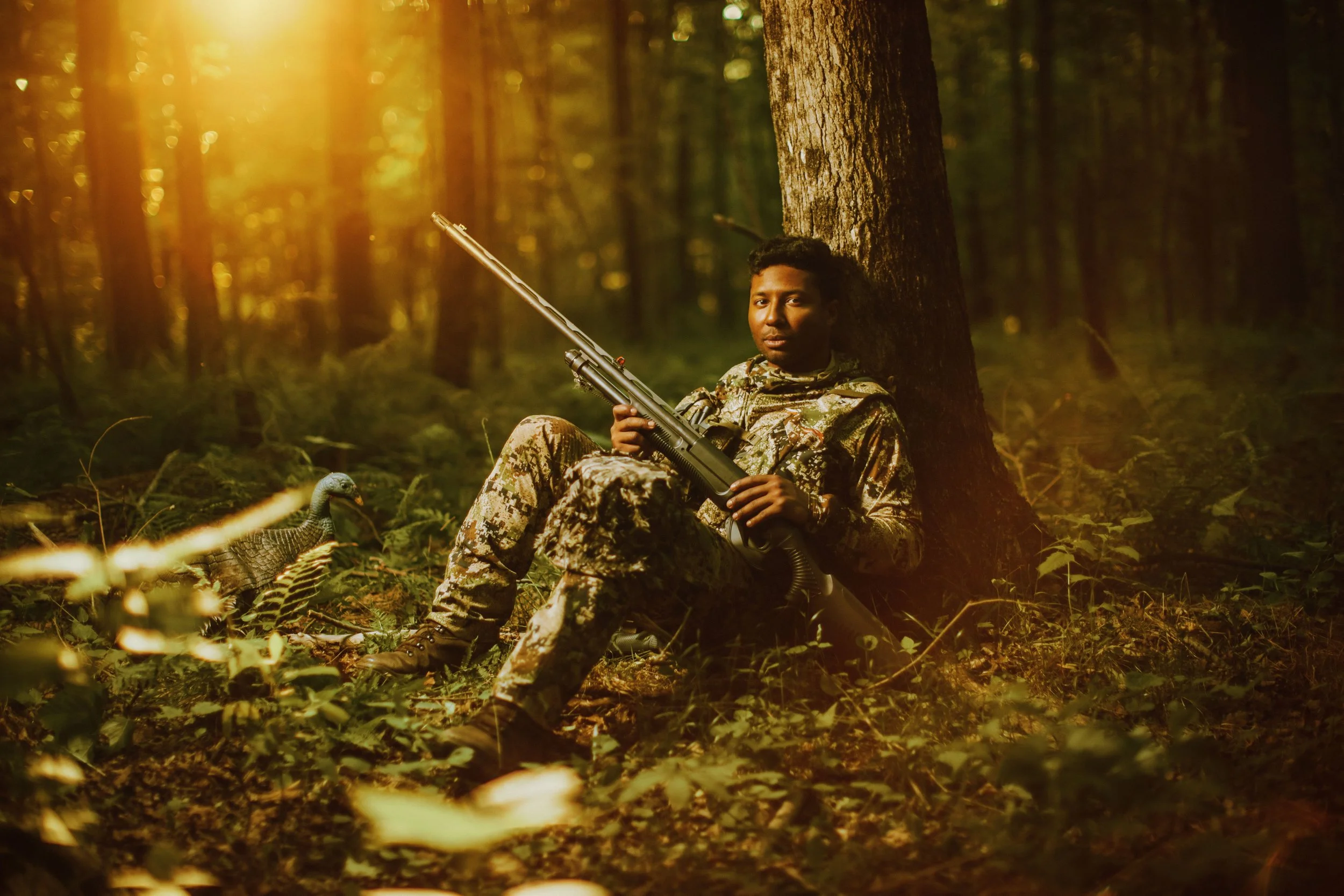
Hunting quickly became central to Brandon’s upbringing, just as fishing had been for the men he looked up to. At twelve years old, under the guidance of his uncle, he harvested his first deer. It was a moment that carried more weight than a childhood milestone—it was an entry point into a tradition that had shaped his family for generations. Later, he watched his grandmother skillfully process that same deer into sausage, continuing a ritual that ended with wild game shared around the family table. Those experiences made it clear that his family hoped he would carry forward that legacy of living in relationship with the land.
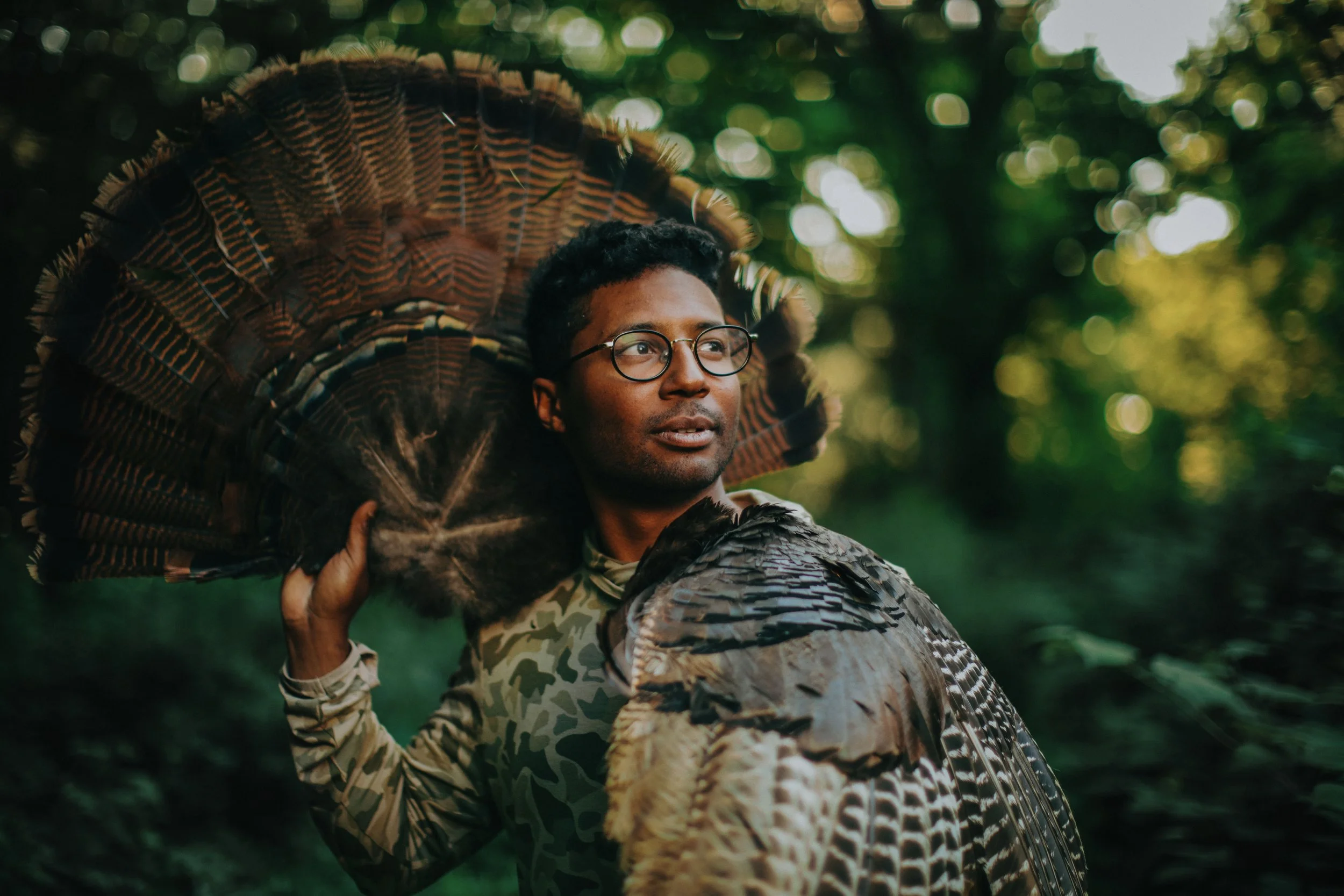
As Brandon grew older, hunting and fishing stayed with him, but the context around those experiences began to shift. During college and the years that followed, he often found himself hunting and fishing alone. It was during this time that he began to notice how few People of Color were present in many of the outdoor spaces he moved through—especially in places like New England. What had once felt normal in his upbringing now stood out as a quiet absence.
“As life unfolded and I navigated through college and beyond, I realized how scarce People of Color are in hunting and conservation. That realization pushed me to intentionally create space for others like me.”
Today, Brandon’s work centers around doing exactly that. He mentors new hunters, helps organize community hunts, and works on conservation projects that restore habitat and strengthen ecosystems. His focus is not only on teaching the skills of hunting and fly-fishing but also on building a deeper understanding of humanity’s relationship with the natural world. Through restoration work and hands-on conservation projects, he helps people see how hunters can play a role in supporting biodiversity and long-term forest health.
For Brandon, hunting is rooted in responsibility and awareness. It requires understanding animal behavior, habitat, and the delicate balance of ecosystems. But it also represents something more personal.
“My role in the environment shifts dramatically when I hunt. I transition from an observer of nature to an active participant. In the realest sense, I become nature.”
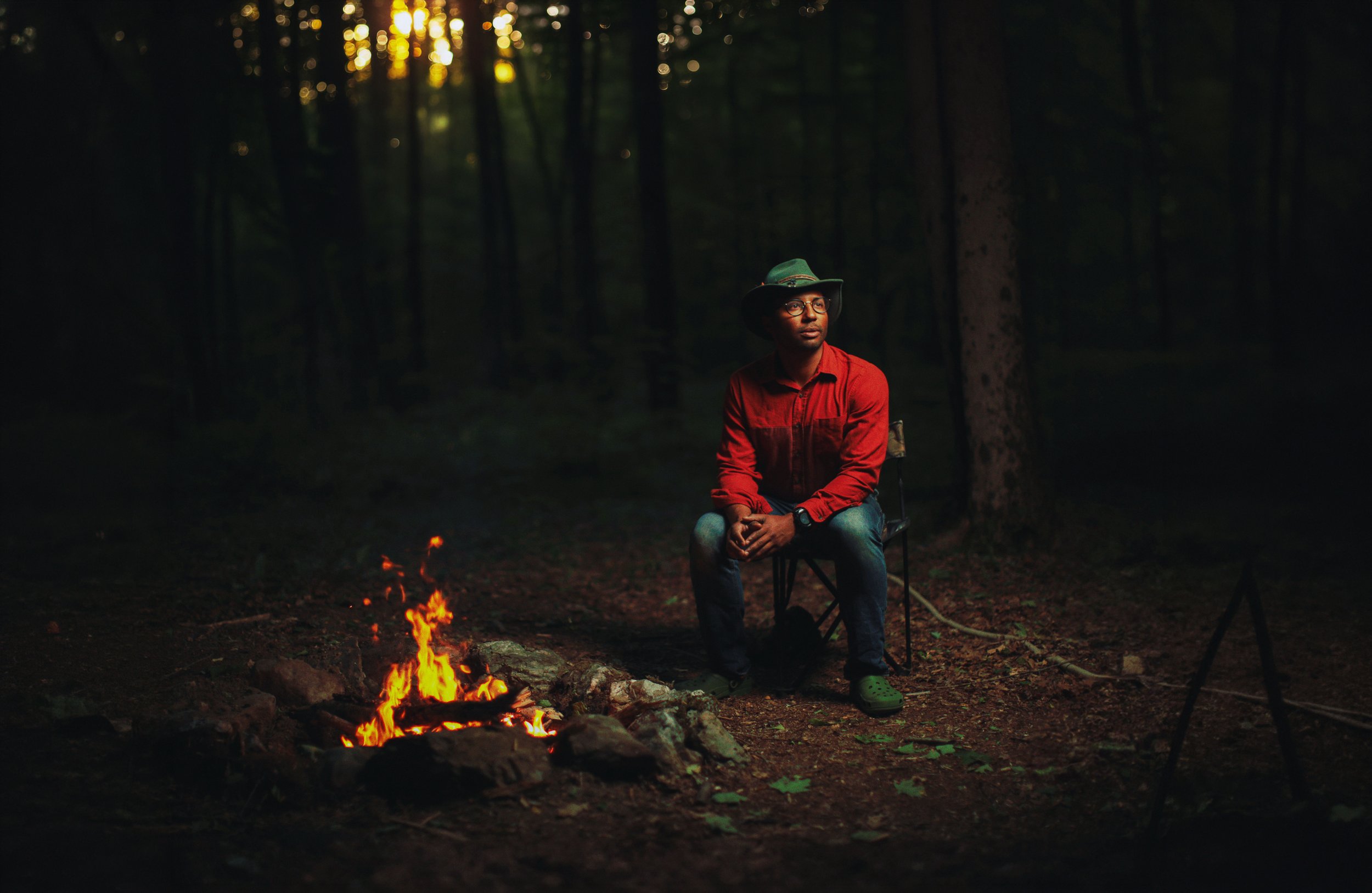
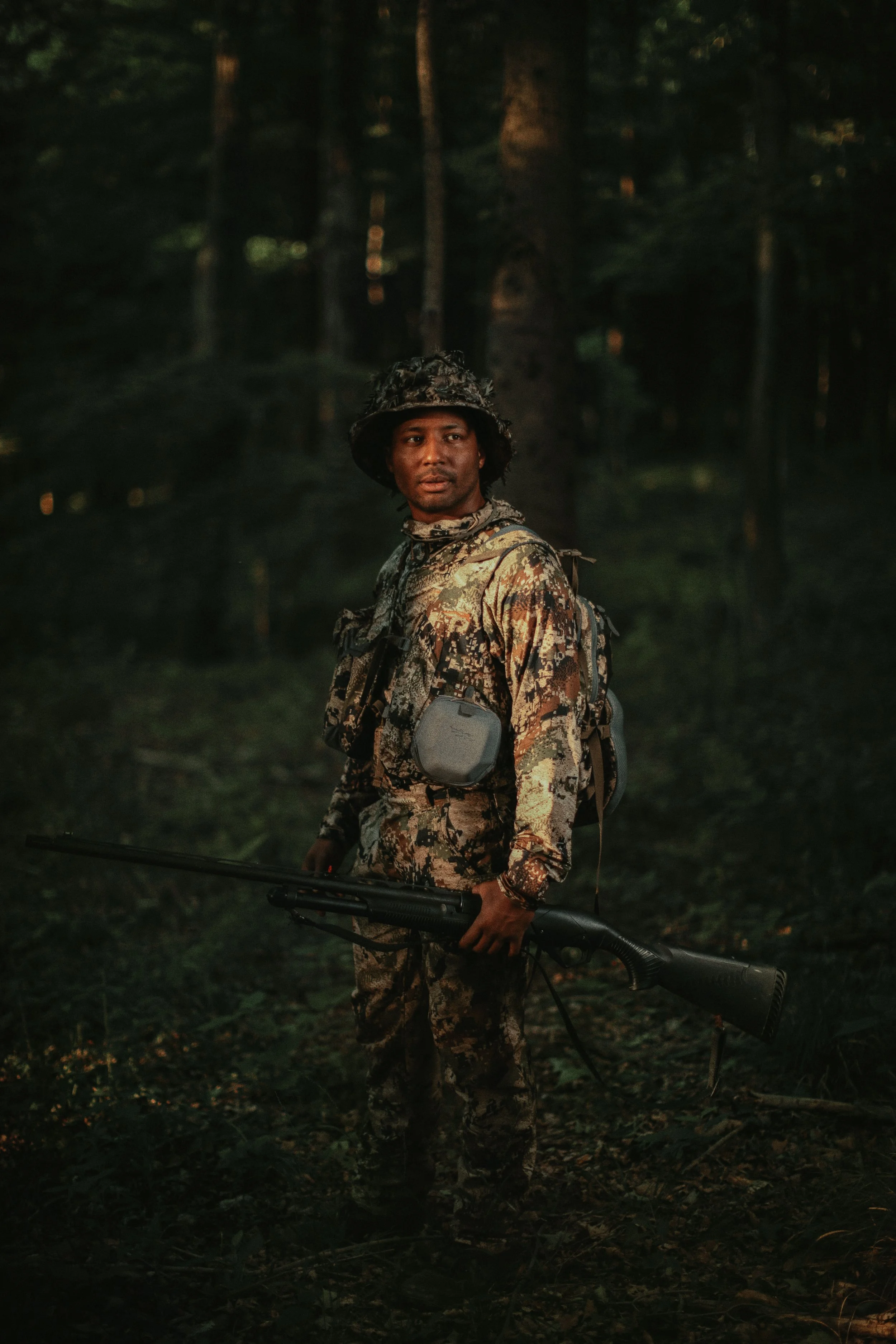
Despite its long history in conservation, hunting is often misunderstood by those outside of it. Many assume the practice is defined only by the act of killing. Brandon sees it differently. For him, hunting is about food, stewardship, and ethical engagement with the land—about recognizing humanity’s place within the ecosystem rather than outside of it.
He also understands the barriers that have historically prevented many people from feeling welcome in these spaces. As a Black man, he has experienced moments of discomfort in rural areas where he felt he did not belong. Access to public lands can be complicated, and cultural signals can quietly discourage newcomers from participating.
“It’s not the land that creates inaccessibility. It’s the surrounding lack of resources, community, and education that makes people feel like they don’t belong.”
That belief drives much of Brandon’s work today. By building supportive communities and mentoring new hunters, he hopes to open doors that were once difficult to walk through. In doing so, he also sees something larger unfolding—a reconnection with traditions that many Black and Brown communities have historically held but were often pushed away from over time.
The most meaningful moments often come after the hunt. Brandon watches as the people he mentors begin weaving these experiences into their own lives—sharing food with family members, passing down knowledge, and creating traditions of their own. In those moments, he sees the same cycle that shaped him years ago in Louisiana continuing forward.
“It’s a gift to watch people who come from communities like mine find belonging in the outdoors, build empathy for nature, and reclaim a connection that has always been part of our history.”
Keep Reading